
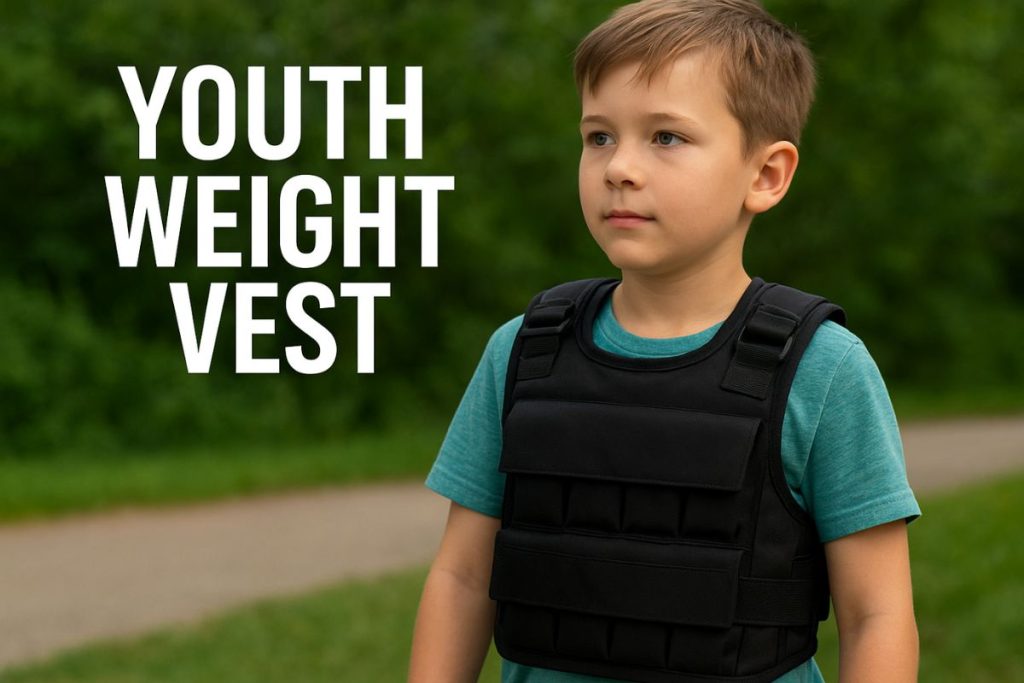
The term youth weight vest often conjures images of athletic training or therapy sessions. For parents searching for safe tools to help their children build strength, enhance focus or manage sensory needs, a youth weight vest can appear promising. However, because these vests add load to a developing body, understanding their purpose, design and safety guidelines is vital. This guide demystifies the concept of weighted vests for kids, explores the science behind them, and offers clear, parent‑friendly advice on choosing and using a youth weight vest responsibly.
What Is a Youth Weight Vest?
A youth weight vest, sometimes called a youth weighted vest or weighted vest youth, is a small garment fitted with removable weights. Unlike adult versions that are designed for intense training, youth vests are engineered to provide gentle pressure or resistance appropriate for a child’s smaller frame. The vest’s design evenly distributes weight across the shoulders, chest and back, helping to avoid undue stress on any single area. Many models include adjustable pockets so weight can be increased or decreased in small increments as a child grows or as specific therapeutic goals change. The primary aims of a youth weight vest are to offer deep pressure for sensory integration therapy, provide mild resistance for strength or sports training, and increase the challenge of everyday movement for cardiovascular or bone‑health benefits.
Design and Construction Weight Vest
Modern youth weighted vests are made from breathable fabrics like cotton blends or neoprene, which helps prevent overheating. They typically fasten with hook‑and‑loop or zipper closures so children can don and remove them easily. Adjustable straps at the shoulders and waist ensure a snug fit, keeping the vest from bouncing or sliding during movement. Removable weights often soft pouches filled with sand, steel shot or pellets are placed in interior pockets on the front and back. This allows parents or therapists to tailor the load to the child’s needs while maintaining symmetrical distribution.
How Youth Vests Differ from Adult Vests
Although the concept is similar, weighted vest for youth training differs from adult vests in several key ways:
- Weight capacity: Youth vests are designed to hold significantly lower loads typically between 5% and 10% of body weight because children’s bones and muscles are still developing. Adults may use vests weighing 10-20% of body weight for advanced training.
- Focus on sensory input: Many youth vests are designed for deep pressure therapy rather than solely for exercise. This calming input can benefit children with sensory processing disorders, autism or ADHD by improving focus and reducing anxiety.
- Adjustability: Youth vests often feature more pockets and smaller weight increments so parents and therapists can fine‑tune the load.
- Appearance: To encourage acceptance, youth vests come in playful colors or feature discreet designs that resemble normal clothing, whereas adult vests may look more utilitarian.
Why Use a Youth Weight Vest?
Parents might consider using a youth weight vest for various reasons, from enhancing physical fitness to supporting sensory needs. Understanding the evidence‑based benefits can help you decide whether a vest is appropriate for your child.
Sensory Integration and Neurodevelopmental Benefits
Many occupational therapists recommend weighted vests for children with sensory processing disorders, autism or ADHD. These conditions can make it difficult for kids to regulate their responses to sensory input, leading to hyperactivity, anxiety or difficulty focusing. Weighted vests provide deep pressure stimulation a steady, hugging pressure that calms the nervous system. Research summarized on WonderBaby.org notes that deep touch pressure may lower stress hormones (like cortisol) while increasing dopamine and serotonin, which can help children feel calmer. This pressure can result in improved body awareness and decreased self‑stimulating behaviors in children on the autism spectrum.
According to NAPA Center, benefits of a youth weighted vest can include increased attention span, reduced anxiety, improved emotional regulation, enhanced body awareness and better motor planning. When used under the guidance of a qualified therapist, these vests can help a child stay focused during classroom tasks or therapy sessions, offering a natural way to manage distractions without medication.
Building Strength and Cardiovascular Fitness
For active kids and youth athletes, wearing a weighted vest youth during certain exercises can safely add resistance and boost the training effect. The extra load increases the force that muscles and bones must overcome, stimulating strength gains and improving cardiovascular efficiency. A fitness guide from Runners Blueprint explains that adding a weighted vest to walking or running increases exercise intensity and can improve VO₂ max (a measure of cardiovascular fitness), speed and calorie expenditure. For adolescents engaged in sports like basketball, soccer or track, a youth weight vest can therefore become a low‑risk tool to enhance agility and endurance provided the weight remains within recommended limits.
Supporting Bone Health
Resistance training is well known for promoting bone density. Though most studies focus on adults, emerging research suggests that mechanical loading from weighted vests can help maintain or improve bone mass. A long‑term study published in the American Journal of Occupational Therapy tested weighted vests combined with jumping exercises in postmenopausal women and found a 1.54% increase in hip bone mineral density compared with a 4.43% loss in controls. While this research involves adults, it underscores the concept that adding weight through a vest can stimulate bone remodeling. For children at risk of low bone density for example, those with certain medical conditions or who participate in low‑impact sports a youth weight vest may offer similar benefits when paired with supervised activity. The CU Anschutz Medical Campus also reported that wearing weighted vests for a couple of hours daily appeared to slow bone loss during weight‑loss programs, further supporting the role of weighted vests in preserving skeletal health.
Calorie Burn and Weight Management
A weighted vest for youth training can increase energy expenditure during activities like walking or light jogging. The ZelusFitness guide states that wearing a weighted vest activates more muscle groups and helps burn more calories than the same activity without extra load. While weight management should be approached carefully with children, some parents use vests as part of a comprehensive fitness program always under professional supervision to help active kids maintain a healthy weight.
Safety Guidelines and Best Practices Youth Weight Vest
Using a youth weight vest requires careful attention to weight, duration and supervision. Experts agree that vests must never be used casually or as a quick fix for behavioral challenges. To ensure safety and maximize benefit, follow these evidence‑based guidelines.
Recommended Weight: 5-10% of Body Weight
Almost every credible source underscores the same principle: begin with a weight equal to 5% of the child’s body weight and do not exceed 10%. The OT Toolbox notes that weighted vests or blankets should be 5-10% of body weight. NAPA Center advises never exceeding 5-10% for children, pointing out that a 50‑pound child’s vest should not exceed 5 pounds. WonderBaby.org echoes this, stressing that a vest should weigh no more than 5-10% of the child’s body weight. Sensory4u’s guidelines also state that children with typical muscle tone should use vests weighing 5-10% of their body weight. For example, a 40‑pound (18 kg) child would wear a vest between 2 and 4 pounds. Lighter loads can still provide deep pressure if the vest uses compression materials.
Wear Time: Short, Scheduled Sessions
Weighted vests should never be worn all day. The OT Toolbox recommends limiting wear to 15-20 minutes followed by equal or longer breaks. NAPA Center suggests using the vest for 15 minutes at a time, two to three times per day, especially during tasks requiring focus. OTvest.com, which manufactures a patented therapy vest, advises sessions of 20-40 minutes with similar breaks to avoid sensory adaptation. Sensory4u’s blog points out that wear time may range from 20 to 50 minutes depending on the activity and child’s response. Always start with the lower end of these durations and monitor the child carefully.
Monitor Posture, Comfort and Fatigue
During and after each session, observe the child for signs of discomfort, poor posture or fatigue. Weighted vests should not restrict breathing or range of motion. The OT Toolbox emphasizes watching for overheating or changes in posture, and adjusting or removing the vest if problems occur. Sensory4u highlights that prolonged wear can lead to muscle strain, posture issues or breathing difficulties; parents should ensure the vest fits snugly without being too tight, and children should maintain a natural gait.
Consult Professionals
Before purchasing a weighted vest for youth training, consult your child’s doctor, occupational therapist or physical therapist. The American Academy of Pediatrics does not endorse weighted vests for typically developing children, and NAPA Center notes they should be recommended only as part of a sensory integration plan. A professional can help determine whether a vest is appropriate, choose the right type (weighted vs. compression), and tailor the weight and schedule to the child’s specific needs. For youth athletes, coaches or trainers should supervise workouts to avoid overloading young joints.
General Rules Summarized
Below is a concise checklist based on guidelines from Sensory4u and ZelusFitness for safe youth weight vest use:
- Start light: Begin with 5% of body weight and gradually increase only if necessary.
- Even weight distribution: Use vests that distribute weight evenly to avoid asymmetrical loading.
- Short sessions: Wear for 15-30 minutes at a time, with equal or longer breaks.
- Scheduled use: Limit to two or three sessions per day, especially during tasks requiring focus.
- Check fit regularly: Ensure the vest is snug but not restrictive; adjust straps as the child grows.
- Monitor physical and emotional responses: Stop use if the child experiences pain, fatigue, overheating, mood changes or reluctance to wear the vest.
- Professional guidance: Consult an occupational therapist or pediatrician before and during use.
Using Youth Weight Vests in Sports and Fitness
Parents of active kids may explore weighted vest youth options to boost athletic performance. While the concept is appealing, careful execution is crucial to avoid injury.
When to Introduce a Weight Vest in Sports Training
For preteens and teenagers participating in sports, a youth weight vest can be introduced as part of a structured training program once they demonstrate appropriate form and baseline strength. According to ZelusFitness, individuals using weighted vests for walking should start with 5-10% of body weight and wear the vest for short walks of 15-30 minutes. The same principle applies to youth athletes. For example, a teenage basketball player might wear a 5% weight vest during warm‑up drills or agility exercises to build explosive power without stressing joints. Coaches should ensure that the additional load does not interfere with form, and that the training surface is stable.
Strength and Conditioning Benefits
Wearing a youth weighted training vest can amplify body‑weight exercises like squats, lunges, push‑ups and pull‑ups. This extra resistance activates larger muscle groups, enhancing strength and endurance. Runners Blueprint reported that athletes experienced about a 3% speed increase after training with weighted vests, suggesting potential benefits for speed development. However, youth athletes should never exceed 10% of body weight until they have years of training experience. ZelusFitness notes that for weight loss, training sessions should start with 5-8% of body weight and last 20-45 minutes. Young athletes should gradually build up the duration and intensity over weeks, with at least one rest day between weighted sessions.
Bone Density and Injury Prevention
Resistance from a youth weight vest can help strengthen bones, particularly in weight‑bearing sports like basketball or soccer. The long‑term study of postmenopausal women mentioned earlier shows that mechanical loading from weighted vests can maintain or improve bone mineral density. While children’s bones are still growing, low‑level loading may encourage healthy development. Nevertheless, excessive weight or overuse can cause stress fractures or joint injuries, underscoring the importance of adhering to the 5-10% guideline and limiting use to short sessions.
Running and Agility Weight Vest
Weighted vests can enhance running or rucking (walking with a loaded vest) by increasing heart rate and calorie burn. ZelusFitness recommends starting with 5-10% of body weight, maintaining good posture and practicing on flat surfaces to avoid tripping hazards. For agility drills, choose low‑impact movements like shuttle runs or ladder drills and avoid high‑impact jumps until the athlete is used to the extra weight. After several weeks, the child can remove the vest and may notice improved speed due to strengthened muscles and cardiovascular gains.
Deep Pressure and Sensory Processing Youth Weight Vest
The calming effects of deep pressure are central to the therapeutic use of youth weighted vests. Children with autism, ADHD or sensory processing disorder may be hypersensitive to environmental stimuli. The consistent pressure from a vest delivers proprioceptive input signals from muscles and joints that help the brain understand body position. According to NAPA Center, this pressure can increase attention and focus, reduce anxiety and sensory overwhelm, improve emotional regulation and enhance body awareness. WonderBaby.org highlights research showing decreased self‑stimulatory behaviors and improved on‑task behaviors in children with autism or ADHD while wearing weighted vests.
Guidelines for Therapeutic Use
Therapists use different schedules depending on a child’s needs. The OT Toolbox suggests starting with short sessions (5-10 minutes) and gradually increasing to 15-20 minutes, with breaks of at least as long. Weighted vests should not be used for children younger than three years old, and weights should be removed when the child is resting or sleeping. NAPA Center advises evenly distributing weights and using the vest during structured activities that require focus, such as classroom work or therapy sessions.
Combining with Other Therapies
A youth weighted training vest is most effective when used alongside other interventions. Occupational therapy may include brushing protocols, joint compressions, heavy work activities (pushing, pulling, carrying) and sensory diets (structured activities providing varied sensory input). The vest can complement these strategies by offering consistent proprioceptive input between exercises. Parents should track the child’s behavior and note whether focus, anxiety or hyperactivity improve while wearing the vest. If negative behaviors increase, consult the therapist and adjust the plan.
Choosing the Right Youth Weight Vest (Fit and Adjustability)
Select a vest that fits snugly but allows free movement. Adjustable shoulder straps and side closures accommodate growth and ensure weight sits close to the core. Avoid oversized vests, which can shift during movement and cause chafing or posture issues.
Weight Type and Distribution
Look for vests with pockets evenly distributed across the front and back to maintain balance. Removable weight packets allow you to add or remove weight gradually. Some vests combine compression and weight, using stretchy fabrics that provide deep pressure with less weight. This is helpful for children sensitive to heavy loads.
Material and Breathability
Choose breathable fabrics to minimize overheating especially important in warm climates. Consider moisture‑wicking linings and ventilated mesh panels. Soft, washable materials make maintenance easier.
Safety Features
Reflective strips can improve visibility during outdoor play. Check that zippers and Velcro closures are secure and do not scratch. Make sure weights are encased to prevent them from shifting or falling out during activity.
Aesthetics and Acceptance
Children may be reluctant to wear a vest that looks medical or draws unwanted attention. Choose designs that resemble everyday clothing, incorporate favorite colors or patterns, or look like part of a sports uniform. When children like the way a vest looks and feels, they are more likely to wear it consistently.
Age and Developmental Considerations: Youth Weight Vest
When it comes to using a youth weight vest, understanding age and developmental readiness is crucial. While these vests can enhance strength, coordination, and body awareness, their use must always be aligned with a child’s physical and emotional development.
Toddlers and Preschoolers (Under 5 Years)
Weighted vests are generally not recommended for children under three, as their musculoskeletal systems are too immature to handle additional load. For preschoolers aged 3-5, consult a pediatric occupational therapist before introducing any weight. Deep pressure may still be beneficial, but lighter compression garments or weighted blankets may provide similar input without adding weight.
School‑Age Children (6-12 Years)
This age group is the most common population for youth weighted vests. Children in this stage can understand instructions and are capable of communicating discomfort. For them, vests can support sensory regulation during classroom activities or homework sessions. Always adhere to the 5-10% body weight rule and limit wear time. Use the vest during tasks requiring attention reading, writing or therapy sessions and remove it afterwards.
Adolescents and Teens (13-18 Years)
Teenagers may use vests for sports or strength training. At this stage, bones are still growing, so caution is necessary. They may tolerate slightly longer sessions up to 20-40 minutes especially for sports drills. Advanced athletes might gradually progress to 12-15% of body weight under professional supervision, but the standard 10% maximum remains a safe benchmark. Teens should be taught to listen to their bodies; any pain or joint discomfort is a signal to reduce or stop weight vest use.
Integrating a Youth Weight Vest into Daily Routines
For parents exploring safe and effective ways to use a youth weight vest, integration into everyday routines is key. Whether the goal is to improve focus, build coordination, or enhance strength, consistency and moderation will help your child gain the full benefits of wearing a youth weighted vest.
Classroom and Homework
Use a youth weight vest during quiet academic tasks to enhance focus. Many therapists recommend wearing the vest for 15-20 minutes at the start of class or during homework sessions, then removing it for an equal or longer break. Teachers can include the vest in a sensory tool kit alongside fidget toys, noise‑blocking headphones and visual schedules. By pairing the vest with deep breathing or mindfulness exercises, children learn to self‑regulate without becoming reliant on one tool.
Household Chores and Play
Light chores like carrying laundry or tidying toys can provide natural heavy work. Wearing a vest during these activities adds extra proprioceptive input. Encourage children to help with gardening, sweeping or pushing a vacuum activities that mimic strength training. Keep the duration under 20 minutes and ensure tasks are appropriate for the child’s abilities. During playtime, integrate the vest into obstacle courses or imaginative games where the extra weight adds challenge.
Sports and Recreation
Older kids involved in sports may wear a youth weight vest during warm‑ups, agility drills or bodyweight workouts. For example, soccer players might wear the vest while practicing footwork ladders, and swimmers could use it during dry‑land strength exercises. However, never allow running at full sprint or high‑impact jumps with a loaded vest until proper strength is developed. Coaches can rotate weighted and unweighted drills to promote adaptation and prevent overuse.
Walking and Hiking
Walking with a weighted vest can be a family activity. Start on flat, even surfaces with a weight equal to 5% of body weight and limit walks to 15-30 minutes. As endurance improves, gradually increase either distance or weight but not both at once. Always monitor posture and ensure the child remains hydrated.
Potential Risks and Contraindications
Although youth weight vests offer many benefits, misuse can lead to problems. Understanding the risks helps parents make informed decisions.
Overloading and Joint Stress
Exceeding the recommended weight can place undue stress on growing bones and joints, increasing the risk of injury. The spine, knees and hips are particularly vulnerable. Always adhere to the 10% maximum, and for younger children aim closer to 5%. If the child complains of back, knee or ankle pain, stop using the vest and consult a healthcare professional.
Posture and Balance Issues
Carrying extra weight changes a child’s center of gravity, which may alter posture. Slouching or leaning forward can lead to muscle imbalances or strain. Ensure the vest fits snugly and weight is evenly distributed. Encourage children to keep shoulders back and core engaged while wearing the vest, and avoid activities that require rapid changes of direction.
Fatigue and Overheating
Weighted vests raise the cardiovascular demand on the body. Overuse can lead to fatigue, dehydration or overheating especially in warm environments. Signs of distress include flushed skin, heavy breathing, dizziness or irritability. Provide plenty of water and remove the vest if the child appears uncomfortable. The OT Toolbox stresses the importance of monitoring for fatigue and overheating during use.
Medical and Developmental Conditions
Children with certain medical conditions may be unable to use a weighted vest safely. Sensory4u lists cardiovascular, respiratory, joint and musculoskeletal disorders among conditions that warrant caution. Pregnant teens, individuals with existing injuries and those experiencing overtraining should avoid weighted vests. Always consult healthcare providers before introducing any new equipment.
Dependency and Habituation
While weighted vests can be effective, overuse may lead to habituation where the child requires increasing weight to experience the same calming effect. To prevent dependency, use the vest as part of a varied sensory diet rather than the sole strategy for regulation. Rotate between the vest, weighted lap pads, movement breaks and other sensory tools.
Additional Tips for Parents: Youth Weight Vest
Parents play the most important role in ensuring that a youth weight vest is used safely, effectively, and in a way that supports healthy development. By following simple strategies and maintaining consistency, you can help your child enjoy the physical and emotional benefits of this training tool while minimizing risks.
Tracking Progress
Keep a journal or chart to track how your child responds to wearing the youth weight vest. Note behaviors such as attention span, anxiety levels and mood before, during and after sessions. Share this information with your child’s therapist or teacher to refine the plan.
Education and Communication
Teach your child why they are wearing the vest and what benefits it provides. Empower them to communicate if the vest feels uncomfortable. For school use, inform teachers and staff about the vest’s purpose, weight and schedule. Provide written instructions to avoid misuse.
Maintenance and Hygiene
Remove and wash the vest according to manufacturer guidelines. Inspect weights periodically for wear or damage, and replace if necessary. Ensure weights are securely fastened in their pockets to prevent shifting.
Social Considerations
Some children may feel self‑conscious wearing a youth weight vest at school or in public. Choose styles that resemble regular clothing or incorporate subtle designs. Gradually introduce the vest at home before using it in social settings. Explain to peers, if appropriate, that it is a tool to help your child focus or feel calm, reducing curiosity or stigma.
Frequently Asked Questions (FAQ)
What is a youth weight vest used for?
A youth weight vest provides gentle resistance or deep pressure to help children improve sensory regulation, focus, strength and bone health. It can be used during therapy sessions, academic tasks or sports training. The vest delivers proprioceptive input that calms the nervous system and increases muscle activation.
How heavy should a youth weight vest be?
Experts agree that a youth weight vest should weigh between 5% and 10% of the child’s body weight. For instance, a 60 pound child should wear a vest weighing 3-6 pounds. Start with the lower end and adjust gradually under professional guidance.
How long can my child wear a weighted vest?
Children should wear the vest for short, scheduled sessions typically 15-30 minutes followed by breaks of equal or longer duration. For sensory therapy, use it two or three times per day during activities that require focus. Avoid using the vest all day or during sleep.
Are weighted vests safe for kids?
When used correctly under professional guidance, weighted vests for youth are generally safe. However, overloading, prolonged wear or use without supervision can lead to muscle strain, posture problems or overheating. Always consult an occupational therapist or pediatrician before starting and monitor your child’s response.
Can typical kids use a weighted vest?
The American Academy of Pediatrics does not recommend weighted vests for typically developing children. These vests are primarily used for children with sensory processing disorders, autism or ADHD as part of therapy. For fitness training in typical kids, unweighted exercises or bodyweight movements are usually sufficient. If you plan to use a youth weight vest for sports training, consult a coach or trainer and follow the 5-10% rule.
At what age can a child start using a weighted vest?
Weighted vests are not recommended for children under three years old. For preschoolers and school‑aged children, an occupational therapist should determine readiness. Teens may use vests for sports with appropriate supervision and adherence to weight and duration guidelines.
Can a youth weight vest help with ADHD?
Research and anecdotal reports suggest that weighted vests can improve on‑task behavior and decrease self‑stimulatory behaviors in children with ADHD. The deep pressure input helps regulate the sensory system, reducing hyperactivity and anxiety. Combined with therapy and behavioral strategies, a youth weight vest can be a valuable tool.
Are there alternatives to weighted vests?
Yes. Compression vests, weighted lap pads, weighted blankets, resistance bands and heavy work activities can provide similar proprioceptive input. Consult your child’s therapist to choose the best combination of tools.
Can my child wear the vest while sleeping?
No. Weighted vests should never be worn during sleep, as they could restrict movement, hinder breathing and lead to overheating. Use weighted blankets or compression garments if recommended by a professional and under strict supervision.
How do I know if the vest is working?
Signs that the vest is beneficial include increased attention, calmer behavior, reduced fidgeting and improved compliance during tasks. Track these behaviors and share your observations with your child’s therapist to adjust the program as needed.
Conclusion
A youth weight vest can be a powerful tool for promoting sensory regulation, improving fitness and supporting sports performance when used correctly. Across multiple sources, experts stress that the vest’s weight should remain between 5% and 10% of a child’s body weight and that wear time should be limited to brief, scheduled sessions. Children with sensory processing disorders, autism or ADHD may benefit from deep pressure input that calms the nervous system and enhances focus. Young athletes may experience improved cardiovascular capacity and speed when training with a weighted vest youth, provided they follow strict guidelines and work under professional supervision.
For parents considering this tool, the key is to prioritize safety, consult professionals and monitor your child’s response. When integrated thoughtfully into a comprehensive plan that includes therapy, physical activity and healthy lifestyle habits, a youth weight vest can become a valuable ally in your child’s development. By adhering to the guidelines outlined in this article, you can ensure that your child experiences the benefits of weighted vests while minimizing risks.
The report provides a comprehensive guide on youth weight vests. It explains their design differences from adult vests, covering weight capacity, sensory focus, adjustability, and appearance. The article details benefits for sensory integration, strength building, cardiovascular fitness, bone health, and calorie burning, with citations supporting each point. It emphasizes safe use by recommending 5-10% body-weight limits and short, supervised wear sessions, summarizing best practices in an easy-to-follow checklist.
Furthermore, the report explores use cases in sports and therapy, highlighting how vests can enhance training while cautioning against overuse. It offers tips on choosing the right vest, considering fit, weight distribution, materials, safety features, and aesthetics. The FAQ section answers common questions about age suitability, duration, alternatives, and therapeutic benefits, reinforcing key takeaways with evidence-based advice.
Feel free to ask if you need any updates or additions.
Previous Post: Ovulation Weight Gain, Rhodiola Weight Loss, Stix Pregnancy Test, Pregnancy Bikram Yoga, Dry Eye Pregnancy