
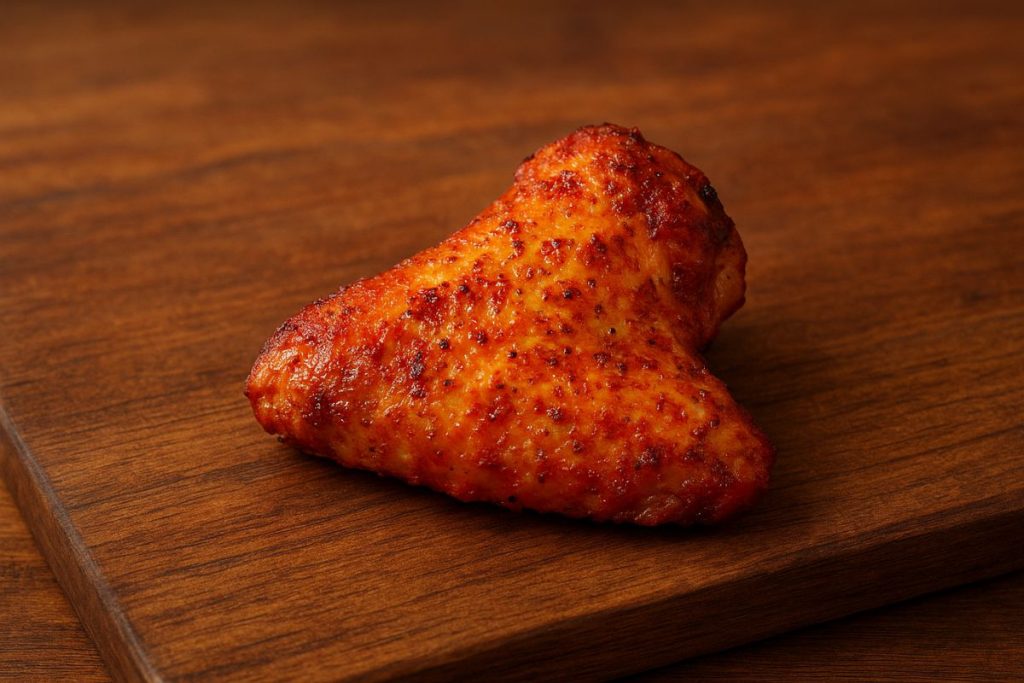
Chicken wings aren’t just game‑day snacks; they’ve become a global culinary staple. Whether you’re ordering at a sports bar, planning a cookout or meal‑prepping at home, knowing the weight chicken wing can help you control portions, estimate nutritional intake and choose cooking methods that support your health goals. In this comprehensive guide, you’ll discover what the average chicken wing weight is, how it varies by cut and cooking method, and whether wings can fit into a weight‑loss or Weight Watchers plan. You’ll also get a step‑by‑step Weight Watchers chicken wing dip recipe, nutrition facts and evidence‑based tips for making wings part of a balanced diet.
Understanding the Parts of a Weight Chicken Wing
A chicken wing is made up of three segments the drumette, the wingette (or flat) and the tip. When you buy whole wings, you’re getting all three sections attached. Most restaurants and recipes split the wing into two pieces (the drumette and wingette), discarding the tip. This distinction matters because the average weight of a chicken wing changes depending on whether it’s whole or separated.
Average Weight of a Whole Chicken Wing
Studies of raw supermarket wings show that a whole wing typically weighs about 3–5 ounces (85–140 grams) including bone, skin and meat. Recipe blogs such as Thyme & Joy report that raw wings weigh around 3 ounces (85 g) each and there are 4–6 raw wings per pound, while cooked wings shrink to 2–2.5 ounces each and there are 6–8 cooked wings per pound. This means that if you’re feeding a crowd, a pound of raw wings yields roughly a dozen cooked pieces.
The Urban Cowgirl’s chef guide gives a similar range: one whole wing weighs about 3.5 ounces and there are 4–5 whole wings per pound. When you separate wings into drummettes and flats, you end up with 10–12 pieces per pound, and each segment weighs about 1.5 ounces. These numbers are useful when converting recipes or calculating calories.
Weight by Wing Part (Drumette vs. Wingette)
Once you split a wing, the drumette (the meaty “mini drumstick”) and the flat have slightly different weights. On average, each drumette or wingette weighs 1.5–2 ounces. The tip contributes very little meat and is often removed. If you’re making dishes with only flats or drummettes, plan for 10–12 pieces per pound.
Composition: Meat, Skin and Bone
The weight of a wing isn’t all edible meat. According to Reference.com, a raw wing weighs about 3 ounces (89 g), and only about 1 ounce (30 g) is lean meat; the skin weighs about 0.9 ounce (26 g). The rest is bone and connective tissue. This is important when calculating protein intake — a 3‑ounce wing doesn’t contain 3 ounces of meat.
Why Some Wings Weigh Less
Not all sources agree on the exact weight. The nutrition portal Tap Health notes that “the average raw chicken wing weighs 22–25 g (0.8–0.9 oz)” roughly one third of the weight quoted by recipe websites. This lower number likely refers to the weight of a single separated wing segment (drumette or flat) rather than the whole wing. When reading recipes or nutrition labels, pay attention to whether the weight refers to a whole wing, a split piece or a boneless wing. Boneless “wings” are often pieces of chicken breast meat breaded and fried, so their average chicken wing weight is similar to chicken strips and not comparable to bone‑in wings.
Factors Affecting Chicken Wing Weight
Several factors influence the chicken wing average weight:
- Chicken breed and size: Wings from larger birds (e.g., roaster chickens) weigh more than those from smaller broilers.
- Presence of skin and bone: Removing the skin or deboning lowers the weight but also changes the nutrient composition and cooking time.
- Cooking method: Frying drives off water and renders fat, slightly decreasing weight; breading or sauce adds weight.
- Sauce and coatings: Sticky glazes, barbecue sauce or batter can add significant weight and calories.
Knowing these factors helps you adjust recipe quantities or portion sizes.
Nutritional Profile of Chicken Wings: Calories, Protein, Fat and Carbs
Chicken wings are mostly protein and fat. A skinless, boneless chicken wing (21 g) contains 43 calories, 6.4 g of protein and 1.7 g of fat. When you leave the skin on, a typical wing weighs more (34 g) and contains 86 calories because the skin is rich in fat. On a per‑100‑gram basis, skinless wings provide 203 calories and 30.5 g of protein, while wings with skin contribute more fat, with 60 % of their calories coming from fat.
Nutrition coach Noom offers similar figures but adds context: a 100 g serving of chicken wings (about 2–3 wings) delivers 288 calories, 30 g of protein, 0–0.6 g of carbs and 8–18 g of fat. The broad fat range reflects differences in cooking methods and whether the skin is removed. Wings are also rich in B‑vitamins (B6 and B12), niacin, phosphorus and selenium, nutrients that support metabolism, nervous‑system health and immune function.
Calories by Cooking Method
The way you prepare wings dramatically affects calories and fat. Tap Health gives a handy breakdown:
- Raw wing (no skin removed, 22–25 g): 43–50 calories.
- Baked wing with skin: 80–90 calories per wing. Baking allows fat to render and drip off, making it lower in calories than frying.
- Fried wing: 100–110 calories per wing. Deep frying locks in more fat and adds oil.
- Boneless wing (breaded, typically chicken breast): 75–90 calories per piece. Breaded boneless wings may have more carbohydrates because of the coating.
A four‑piece serving of baked wings (with skin) totals about 320–360 calories, whereas fried wings supply 400–440 calories. Wings tossed in buffalo sauce can reach 480–540 calories because sugary sauces and butter add extra energy. When tracking your daily intake, multiply the number of wings by their estimated calories based on cooking method.
Vitamins, Minerals and Collagen Weight Chicken Wing
Beyond macronutrients, chicken wings offer micronutrients and collagen. Noom notes that wings provide over 30 % of the RDA for vitamin B6, 26 % of the RDA for niacin, 25 % of the RDA for phosphorus and 24 % of the RDA for selenium per 100 g serving. They also contain collagen, a protein that supports joint health and skin elasticity. The fatty acid profile includes beneficial monounsaturated and polyunsaturated fats, though saturated fat is present, too.
Are Chicken Wings Healthy for Weight Loss?
The question “are chicken wings healthy for weight loss” has no one‑size‑fits‑all answer. Wings can fit into a calorie‑controlled diet when you prepare them wisely. Here’s what to consider:
- Protein Keeps You Full: The high protein content of wings (around 30 g per 100 g) helps preserve muscle mass and promotes satiety.
- Fat Content Varies: Wings with skin and fried wings are high in fat. Removing the skin or choosing grilled or baked wings reduces fat by about 50 %.
- Sauces and Breading Add Hidden Calories: Buffalo sauce, ranch dressing and breading can double the calorie count. Opt for lighter sauces like hot sauce, vinegar‑based marinades or dry rubs.
- Micronutrient Boost: Wings supply B‑vitamins, phosphorus, selenium and collagen, supporting energy metabolism and joint health.
- Sodium Concerns: Many commercial wing sauces are high in sodium. Excess sodium can lead to water retention and elevate blood pressure.
Tips for Healthier Chicken Wing Consumption
To enjoy wings while pursuing weight‑loss or maintenance goals, try these strategies:
- Choose leaner preparations: Grill, roast or air‑fry wings instead of deep frying to reduce fat content.
- Remove the skin: Removing the skin cuts calories and fat by roughly one third.
- Portion control: A serving of three to four wings provides about 288–360 calories depending on preparation. Pair wings with vegetables to increase volume without adding calories.
- Use low‑calorie sauces: Toss wings in hot sauce (vinegar and chili peppers) or sprinkle with dry rubs instead of butter‑laden or sugary glazes.
- Balance your plate: Add fiber‑rich side dishes like celery sticks, carrot sticks, broccoli or salads to increase satiety and nutrient intake.
Weight Watchers Chicken Wing Dip: A Lighter Way to Enjoy Wings
Buffalo chicken dip is a popular party appetizer, but traditional recipes are often loaded with cream cheese and fat. For those following Weight Watchers or simply looking for a lighter option, this weight watchers chicken wing dip will satisfy cravings without blowing your daily points.
Ingredients and Nutritional Values Weight Chicken Wing
The Diet Chef’s healthy wing dip uses fat‑free dairy and lean chicken breast. Per 130 g serving, the dip provides 110 calories, 0.2 g of fat, 10 g of carbohydrates and 16 g of protein. It also counts as 3 Weight Watchers SmartPoints, making it friendly for those tracking points.
Key ingredients include:
- Fat‑free cream cheese and cheddar cheese: Provide creaminess without added fat.
- Fat‑free ranch dressing: Offers flavor and tang.
- Hot sauce (e.g., Frank’s Red Hot): Delivers classic buffalo flavor with negligible calories.
- Cooked and shredded chicken breast: Adds lean protein.
This combination yields a dip that’s high in protein and low in fat, perfect for weight‑conscious eaters.
Preparation Steps
To prepare the dip:
- Combine ingredients: In a bowl, mix fat‑free cream cheese, fat‑free ranch dressing, hot sauce, shredded chicken breast and fat‑free cheddar cheese. Adjust hot sauce to taste.
- Bake until bubbly: Spread the mixture in a baking dish and bake at 350 °F (175 °C) for 25–30 minutes, or until the cheese melts and the dip is bubbling.
- Serve with vegetables: Pair the dip with celery sticks, carrot sticks or whole‑grain crackers instead of chips to keep the dish light.
Why This Dip Is Weight‑Loss Friendly
Traditional buffalo dips can exceed 300 calories per serving because of high‑fat cream cheese and mayonnaise. By substituting fat‑free dairy and using lean chicken, this weight‑watchers dip slashes calories and fat while maintaining the creamy texture. The high protein content (16 g per serving) helps keep you full, and the low fat (0.2 g) means it won’t sabotage your daily macros.
Practical Tips for Weighing and Portioning Wings at Home
Understanding chicken wing average weight helps you shop accurately and avoid over‑buying. Here’s how to weigh wings:
- Use a kitchen scale: Place a bowl on the scale, zero it out, then add raw wings to measure total weight. Divide by the number of wings to estimate weight per wing.
- Estimate portion sizes: If you don’t have a scale, remember that 4–6 raw whole wings or 10–12 split pieces equal about one pound.
- Adjust for cooking loss: Meat shrinks when cooked. A raw wing weighs around 3 ounces but may reduce to 2–2.5 ounces after frying or baking.
- Consider bone weight: Only about one third of a wing’s weight is edible meat, so plan accordingly if you track protein grams.
- Label your freezer bags: When freezing wings, write down the weight and number of wings per bag to make future meal prep easier.
FAQs About Weight Chicken Wing
Q: How much does a chicken wing weigh after cooking?
A: Cooked wings lose water and fat. A raw wing weighing 3 ounces often shrinks to 2–2.5 ounces after frying or baking. Dry cooking methods like baking reduce weight more than frying, which can trap oil in the skin.
Q: How many calories are in a chicken wing with skin?
A: A wing with skin (34 g) contains 86 calories, with about 60 % of those calories coming from fat. Baking or grilling the wing (without additional sauce) may reduce the fat slightly, but the skin itself is naturally fatty.
Q: What’s the difference between bone‑in and boneless wings?
A: Bone‑in wings are actual chicken wings (drumettes and flats). Boneless wings are typically chicken breast pieces that are battered and fried. They weigh 75–90 calories per piece and may have more carbohydrates due to breading. If you’re looking for authentic wing flavor and less processing, stick to bone‑in wings.
Q: Are chicken wings healthy for weight loss?
A: Wings can be part of a weight‑loss plan when prepared wisely. They are rich in protein and micronutrients but can be high in fat when fried or covered with sauce. Choosing grilled or baked wings, removing the skin and using low‑calorie sauces can help you enjoy wings without exceeding your calorie budget.
Q: What is the average weight of a chicken wing for meal planning?
A: A whole raw wing weighs 3–5 ounces and there are 4–6 wings per pound. When split into drummettes and flats, you’ll get 10–12 pieces per pound and each piece weighs about 1.5–2 ounces. Use these numbers to estimate how many wings to buy for your recipe or party.
Q: How can I make chicken wings healthier?
- Grill or bake instead of frying.
- Remove the skin to reduce fat.
- Use dry rubs or hot sauce instead of sugary glazes.
- Pair wings with vegetables and choose smaller portions.
Conclusion
Understanding the weight chicken wing is more than trivia it empowers you to plan meals, track nutrients and make healthier choices. A typical whole wing weighs around 3–5 ounces, but only about a third of that is lean meat. Cooking method, sauce and whether you leave the skin on can double or halve the calories. While fried, saucy wings are indulgent, grilled or baked wings with light seasoning offer a protein‑rich, vitamin‑packed option for those on weight‑loss journeys. Even classic party fare like buffalo dip can be transformed into a Weight Watchers chicken wing dip with smart ingredient swaps.
Next time you’re craving wings, use the tips above to balance flavor with nutrition. Share this guide with friends, experiment with healthy recipes and enjoy wings without guilt. Bon appétit!
The report covers the average weight of a chicken wing, nutritional insights, health considerations, a Weight Watchers-friendly chicken wing dip recipe, and practical tips for meal planning and portion control. It also includes frequently asked questions for quick reference.
Previous Post: Ovulation Weight Gain, Rhodiola Weight Loss, Stix Pregnancy Test, Pregnancy Bikram Yoga, Dry Eye Pregnancy