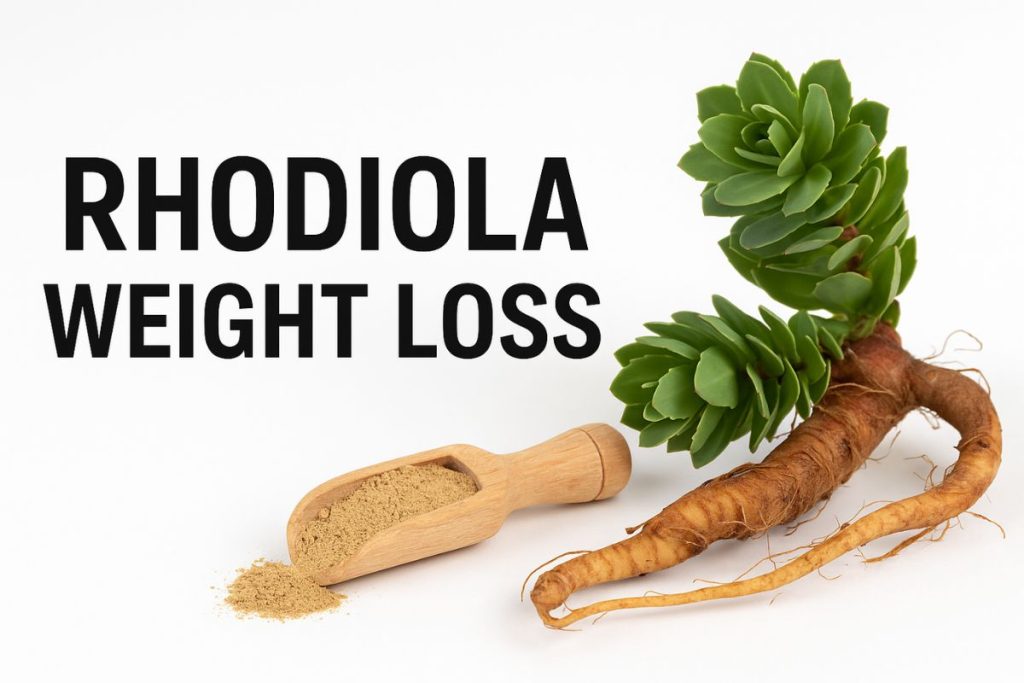
Rhodiola (Rhodiola rosea) is an adaptogenic herb used for centuries to boost energy, mood, and stress resilience. In recent years, people have wondered if Rhodiola can aid weight loss. This article dives deeply into Rhodiola weight loss research, mechanisms, and practical use. We’ll examine how Rhodiola affects metabolism, fat cells, stress hormones, and exercise all factors that influence body weight. While we include expert-backed scientific citations, remember that Rhodiola is not a magic diet pill. It may support weight management as part of a healthy lifestyle, but evidence in humans is limited. Read on to learn what studies show and how to use Rhodiola effectively and safely.
What is Rhodiola Rosea?
Rhodiola rosea (golden root or Arctic root) is a plant native to cold regions of Europe and Asia. Traditionally, its root has been used in Russian and Scandinavian herbal medicine for fatigue, work performance, altitude sickness, and endurance. Today Rhodiola supplements (often standardized for active compounds like salidroside and rosavins) are marketed for stress relief, mental focus, and physical energy. As an adaptogen, Rhodiola is believed to help the body adapt to stress (physical or mental) and maintain balance.
- Key compounds: The main bioactives are salidroside and rosavin. These compounds may influence blood sugar, brain signaling, and fatigue.
- Traditional uses: Fatigue reduction, improved work capacity, reduced anxiety, and enhanced mood were common uses. They hint at Rhodiola’s potential to affect body systems involved in weight regulation.
- Forms and doses: Rhodiola is sold as capsules, extracts, teas, and powders. Clinical studies have used doses from about 170 mg up to 1500 mg per day, but typical supplements range from 100-600 mg. Quality and standardization vary between brands.
Bottom Line: Rhodiola rosea is an herb rich in active compounds. It has strong anti-fatigue and anti-stress effects, which may indirectly influence weight regulation.
How To Influence Rhodiola Weight Loss
Although no large human trials link Rhodiola directly to weight loss, research suggests several ways it could support weight management. The main theories involve boosting metabolism, altering fat cell function, lowering stress hormones, and improving exercise capacity. We’ll explore each mechanism:
Boosting Metabolism and Energy Use Rhodiola
Some studies indicate Rhodiola may enhance metabolic processes in fat and muscle cells. Improved metabolism means your body might burn calories more efficiently. Key findings include:
- Improving glucose and lipid metabolism: In vitro (cell) studies show Rhodiola extracts can improve how fat cells handle glucose (sugar) and lipids (fats). For example, human visceral fat cells treated with Rhodiola extract showed gene changes that favor burning fat over storing it.
- Insulin sensitivity and blood sugar: In obese mice, Rhodiola root extract significantly improved fasting blood glucose and insulin response. Better insulin action can help reduce fat storage and hunger.
- Thermogenesis potential: Although not directly proven for Rhodiola, some herbs activate brown fat or mild thermogenesis. Rhodiola’s bioactives might stimulate metabolism via the SIRT1 pathway (a key energy regulator). A mouse study found Rhodiola activated SIRT1 in muscle, similar to exercise, which supports energy burning.
- Reducing fat accumulation: In obese mice, salidroside (Rhodiola’s main compound) lowered liver fat and body weight slightly over 7 weeks. It also enhanced insulin tolerance. These changes suggest Rhodiola could help the body use nutrients better rather than storing them as fat.
In summary, Rhodiola may boost metabolism and glucose use, reducing fat storage cues. By improving insulin and glucose control, it could support weight maintenance or slow fat gain.
Effects on Fat Cells (Adipocytes)
Rhodiola seems to act directly on adipocytes, the fat-storing cells:
- Lipolysis (fat breakdown): In one lab study, Rhodiola root extracts caused human visceral adipocytes to break down more fat. One extract variant (3% salidroside) significantly increased lipolysis and fat cell apoptosis (cell death) compared to control.
- Anti-adipogenesis (preventing new fat cells): The same study showed Rhodiola extracts lowered triglyceride accumulation during fat cell maturation. Gene activity in treated cells changed: genes that promote fat storage (like SLC2A4 and FGF2) decreased, while genes that inhibit fat cell formation (GATA3, WNT3A, WNT10B) increased. In short, Rhodiola shifted the genetic program away from making and storing fat.
- Inflammation in fat tissue: Chronic inflammation in adipose tissue can worsen obesity. In mice, salidroside reduced inflammatory signals and macrophage infiltration in white fat, which may improve metabolic health of adipose tissue.
These findings suggest Rhodiola extract may make fat cells burn more fat and form less fat. While these are cell/animal results, they provide biological rationale for Rhodiola’s role in weight control.
Stress, Cortisol, and Appetite
Chronic stress raises the hormone cortisol, which can promote fat storage (especially visceral fat) and overeating. As an adaptogen, Rhodiola may help normalize stress hormones:
- Cortisol regulation: Although human evidence is limited, some research notes Rhodiola’s anti-stress effects. By potentially lowering excess cortisol, Rhodiola might reduce stress-eating or central fat gain. (High cortisol is linked to “stress belly” in obesity, though direct Rhodiola data on cortisol is sparse.)
- Appetite control: In animal tests, Rhodiola alone didn’t suppress appetite, but combined with bitter orange it did slightly reduce food intake. Stress reduction and improved energy may indirectly reduce cravings.
In practice, if Rhodiola helps you feel less anxious and fatigued, you may be less likely to eat for stress relief. However, no studies prove Rhodiola causes weight loss through these effects alone. Still, managing stress with Rhodiola could support a healthier lifestyle.
Enhancing Exercise and Energy
Better exercise performance can help burn more calories. Rhodiola has been studied as an athletic supplement:
- Fatigue reduction: Rhodiola is known to reduce fatigue and perceived exertion. A review of trials found Rhodiola might improve endurance and recovery, though overall evidence is mixed. One study found it reduced muscle damage markers after exercise.
- Exercise-mimicking effects: In obese mice, Rhodiola had effects similar to exercise: it prevented muscle wasting and improved mitochondrial function via the SIRT1 pathway. Healthier muscles use more calories.
In short, Rhodiola may help you work out harder or recover faster, indirectly aiding weight loss by enabling more physical activity. It’s not a fat-burner on its own, but it may improve energy and endurance.
Scientific Studies on Rhodiola and Weight
Now let’s review key research on Rhodiola weight loss: animal studies, human data, and in vitro work.
Preclinical (Animal and Cell) Studies
- Human fat cells (in vitro): As noted, a 2015 lab study on human visceral adipocytes found Rhodiola extracts increased lipolysis and reduced fat storage genes. This suggests a direct anti-adipogenic effect.
- Obese rats (visceral fat): A 2013 study treated obese rats with Rhodiola plus Citrus aurantium (bitter orange). The combination caused a 30% reduction in visceral fat mass compared to controls. (Note: total body weight didn’t change in 10 days, but fat depot weight dropped.) This implies Rhodiola can target belly fat in animal models.
- Obese mice (salidroside): In a 2016 mice study, salidroside (from Rhodiola) given daily lowered food intake, body weight, and liver fat and markedly improved glucose tolerance. It also suppressed fat cell formation and inflammation in white fat. These results support Rhodiola’s potential to curb obesity and metabolic disease.
- Diabetic mice: In a 2022 diabetes mouse model, Rhodiola root extract improved fasting blood sugar and insulin response, and reduced inflammation. While focused on diabetes, this indicates Rhodiola favorably alters metabolism in obese conditions.
- Muscle function: Rhodiola has been shown to combat obesity-related muscle dysfunction. A 2021 study found Rhodiola prevented muscle atrophy in high-fat diet mice via SIRT1 activation. Healthier muscle may help maintain a higher metabolic rate.
Taken together, animal and cell research consistently shows Rhodiola can reduce fat accumulation, improve glucose metabolism, and modulate energy pathways. These effects could translate to better weight control, but human confirmation is needed.
Human Studies About Rhodiola Weight Loss
- Direct weight loss trials: None. To date, there are no large clinical trials proving Rhodiola causes weight loss in people. Healthline notes “no research has found that Rhodiola can directly help you lose weight”.
- Stress and cognition trials: Most human trials of Rhodiola test stress, depression, or fatigue, not weight. For example, Rhodiola extract improves subjective feelings of stress and mood in small trials, but weight was not measured.
- Digestive or appetite effects: No rigorous human studies have examined Rhodiola’s impact on appetite hormones (like leptin/ghrelin) or gut microbiota in the context of weight.
- Safety studies: Human studies indicate Rhodiola (up to 12 weeks) is generally well-tolerated. Side effects reported include insomnia, anxiety, dizziness, or dry mouth.
- Implied evidence: One older Russian conference abstract (non-peer-reviewed) claimed that overweight patients taking Rhodiola lost weight and had reduced cortisol. However, this was never published in a reputable journal, so it isn’t strong evidence.
Summary: Human evidence is scarce. Rhodiola’s benefits for weight loss in people are unproven. Most clinicians regard Rhodiola as safe but not a substitute for diet or exercise.
Using Rhodiola Extract for Weight Loss
If you decide to try Rhodiola as part of a weight-management plan, here are some guidelines:
- Form and quality: Choose a standardized Rhodiola rosea extract from a reputable brand. Look for labels specifying rosavin and salidroside content (e.g. “3% rosavins, 1% salidroside” is common). Organic or third-party tested products (USP/NSF certified) ensure purity.
- Dosage: Studies used doses from about 200 mg up to 1500 mg daily. A typical range is 200-600 mg per day of Rhodiola extract (equivalent to 50-150 mg salidroside). It’s wise to start at the lower end. Divide into 2 doses (morning and midday) to avoid insomnia.
- How to take it: Take Rhodiola on an empty stomach or with a small meal. Many recommend morning use (it can be mildly stimulating). Avoid late afternoon/evening doses to prevent sleep issues.
- Duration: Because it’s a supplement, give Rhodiola at least 4-6 weeks to assess any effects. Continuous use is not usually needed; some suggest cycling (e.g. 5 days on, 2 days off) to prevent tolerance.
- Combining with diet/exercise: Rhodiola should complement healthy habits, not replace them. Maintain a balanced diet and regular exercise regimen. Rhodiola may help you feel more energetic for workouts, but you still need to burn calories.
- Monitoring effects: Track changes in energy, stress levels, and appetite. If using for weight goals, pair with regular weight checks and body measurements. Remember, any change will be gradual.
Potential Side Effects and Precautions Rhodiola Weight Loss
Rhodiola is generally considered safe for most adults when used short-term. However, be aware of:
- Common mild effects: According to safety reviews, possible side effects include dry mouth, dizziness, headache, anxiety or insomnia. These often occur with high doses or if taken late in the day.
- Stimulant effects: Rhodiola can act like a mild stimulant. People sensitive to stimulants may experience jitteriness, rapid heartbeat, or agitation. If this happens, stop taking it or reduce the dose.
- Pregnancy and children: There’s very little data on Rhodiola in pregnancy or children. Avoid use in pregnant/nursing women or minors unless under medical advice.
- Medical conditions and medications: Talk to your doctor if you have high blood pressure, bipolar disorder, or autoimmune diseases, as Rhodiola’s effects on these are not well studied. Also check for interactions: Rhodiola can affect blood sugar, blood pressure, and may interact with antidepressants or stimulants.
- Quality concerns: Because supplements are less regulated, adulteration or incorrect species (e.g. Rhodiola kirilowii or R. quadrifida instead of true R. rosea) can occur. Buy from trusted brands to avoid ineffective or contaminated products.
Safety tip: The NCCIH notes that evidence is lacking for Rhodiola’s uses, and quality control matters. Always inform your healthcare provider before adding new supplements to your regimen.
Conclusion: Rhodiola Weight Loss
Rhodiola rosea is not a standalone weight-loss solution, but it may support weight management. Animal and lab studies show it can promote fat burning, improve metabolism, and reduce inflammation in fat tissue. Rhodiola’s stress-busting and energy-boosting effects might help you stick to diet and exercise plans.
However, human data is lacking. No clinical trials to date prove that Rhodiola by itself makes people lose weight. If you try Rhodiola for weight goals, do so as part of a comprehensive plan (healthy eating, physical activity). Monitor how you feel, and stay realistic.
As always, quality matters. Use a trusted Rhodiola supplement, follow dosing guidelines, and consult a healthcare provider before starting. With prudent use, Rhodiola could be a helpful adjunct in your weight-loss toolkit but it’s no substitute for a calorie-controlled diet and exercise.
FAQs About Rhodiola Weight Loss
Q: Does Rhodiola help you lose weight on its own?
A: Currently, no strong human evidence shows Rhodiola directly causes weight loss. Most studies have been in animals or cells. Rhodiola may support weight control by boosting metabolism and lowering stress, but it shouldn’t replace diet and exercise.
Q: How might Rhodiola for weight loss work?
A: Rhodiola’s active compounds can improve how your body handles sugar and fat. Lab studies found Rhodiola extracts increase fat breakdown and inhibit fat cell formation. In mice, Rhodiola improved insulin sensitivity and reduced belly fat. These effects could lead to less fat accumulation over time.
Q: What is the best way to take Rhodiola for weight management?
A: Take a standardized Rhodiola rosea extract (e.g. 3% rosavins, 1% salidroside) in capsule form. Typical doses are 200-600 mg per day, often split between morning and midday. Start low to assess tolerance. Use it on an empty stomach if possible. Combine it with a healthy diet and exercise routine for best results.
Q: Are there any side effects of Rhodiola?
A: Rhodiola is generally well-tolerated. Reported side effects include dry mouth, dizziness, headache, and insomnia. These are usually mild. Because it can be mildly stimulating, taking it late may cause sleeplessness. People with high blood pressure or hormone-sensitive conditions should use caution.
Q: Can I take Rhodiola with other weight loss supplements?
A: In principle, yes, but be careful. Rhodiola is often combined with other botanical fat-burners like green tea or bitter orange in supplements. For example, one rat study combined Rhodiola with bitter orange and saw reduced visceral fat. However, combining stimulants can increase side effects (heart rate, blood pressure). Always check with a doctor before stacking supplements.
Q: What do experts say about Rhodiola for weight loss?
A: Experts agree Rhodiola’s main uses are for stress and fatigue, not weight. The U.S. National Center for Complementary and Integrative Health (NCCIH) states “not enough evidence” exists to confirm any health benefits of Rhodiola. Until larger human studies are done, consider Rhodiola as a supportive herb rather than a guaranteed weight-loss aid.
Q: Where can I learn more about Rhodiola safety?
A: The NCCIH provides health information on Rhodiola (search “NCCIH Rhodiola“) and notes that most research in people is low-quality. For personalized advice, consult a healthcare provider or a registered dietitian.
Disclaimer: This article is for informational purposes and not a substitute for professional medical advice. Always consult your doctor before starting any new supplement or weight-loss program.
Sources: Peer-reviewed studies and reviews were used to compile this information, along with reputable medical resources like NCCIH. All claims are supported by scientific literature wherever available.
Previous Post: Kids Probiotic Gummies, Kids Knee Brace, Healthy Lunch Ideas, High Amine Foods, Boost Kids Essentials