
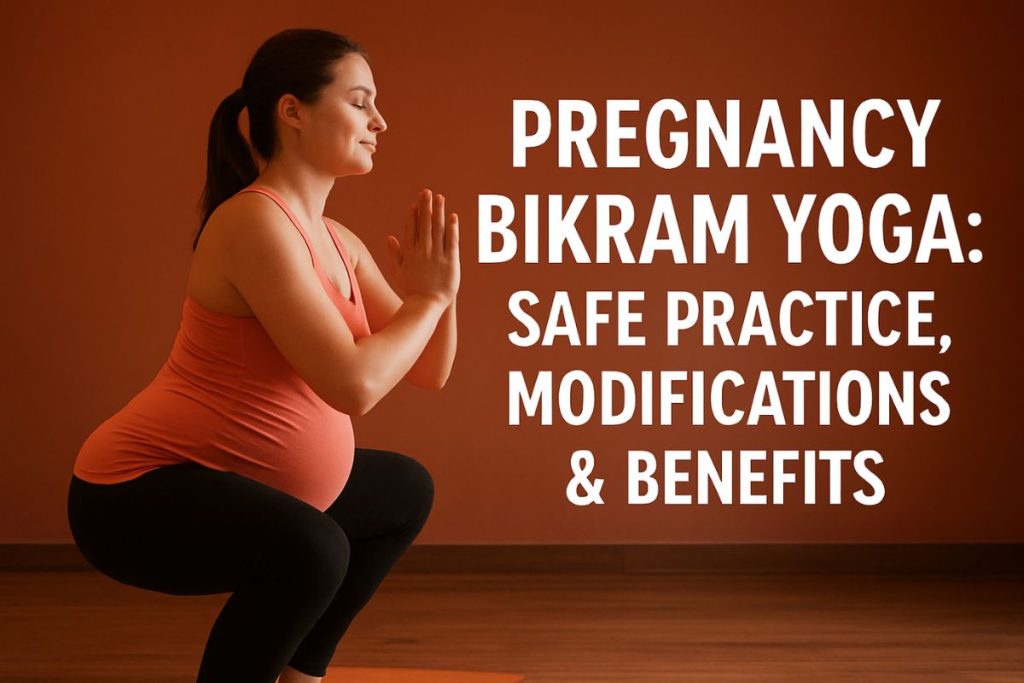
Pregnancy is a time many women seek gentle exercise like prenatal yoga to stay fit and reduce stress. However, Bikram yoga during pregnancy a form of hot yoga done in a 105°F room raises special concerns. This article on pregnancy Bikram yoga explores the benefits and risks of practicing hot yoga while expecting, summarizes expert recommendations, and offers practical modifications for expectant mothers. We cite medical guidelines and yoga experts to help you decide if and how to practice Bikram yoga safely during pregnancy.
What Is Bikram Yoga?
Bikram yoga is a hot yoga style that follows a fixed sequence of 26 postures plus two breathing exercises, performed in a heated room. The room is typically kept around 105°F (40°C) with about 40% humidity. The heat aims to loosen muscles and promote deeper stretching and detoxification through sweating. While regular yoga is generally safe and beneficial for pregnant women, the extreme heat of Bikram classes can pose risks. During pregnancy, even moderate overheating should be avoided. As the Mayo Clinic points out, hot yoga (like Bikram) “can raise your body temperature too much” and lead to hyperthermia.
- Heated environment: Bikram rooms are around 105°F, 40% humidity.
- 26 postures + breathing: Includes standing, seated, and floor poses designed for strength and flexibility.
- Intensity: Hot, sweaty, and demanding; not typically modified for pregnancy by default.
Because of the high heat and intensity, many obstetricians and health organizations classify Bikram yoga as “hot yoga” and caution against it in pregnancy.
Physiological Changes in Pregnancy
During pregnancy, a woman’s body undergoes significant changes that affect exercise:
- Hormonal changes: The hormone relaxin increases ligament laxity. While relaxin helps prepare for birth, it also means joints and muscles can overstretch more easily. One fitness expert warns that excessive stretching (as in Bikram) “could increase the stretching of the ligaments and joints past their normal ranges and therefore induce injury and ultimately stress to the baby”.
- Core temperature regulation: Pregnant women naturally run warmer and have a higher resting core temperature. Experts note that maternal body temperature should not exceed about 102°F (38.9°C) during pregnancy, as higher heat is associated with risks like neural tube defects and heart malformations in the fetus.
- Circulation and hydration: Blood volume and circulation increase in pregnancy, so staying hydrated and avoiding overheating are more critical than ever. Dehydration in pregnancy can lower amniotic fluid and even trigger uterine contractions.
- Balance and center of gravity: As the baby grows, balance shifts and stability decreases. A heated yoga class could exacerbate dizziness or faintness if not done carefully.
- Increased heart rate: Normal pregnancy already raises heart rate. Adding intense exercise in heat may push the heart rate too high.
These changes mean pregnant women are more vulnerable to injury, falls, or heat stress during strenuous activities. Any prenatal exercise plan including Bikram yoga must account for these factors.
Potential Benefits of Yoga in Pregnancy
Before discussing Bikram specifically, it’s worth noting why many pregnant women turn to yoga at all. Research and clinical experts highlight several benefits of prenatal yoga (gentler, pregnancy-safe classes) for expectant mothers:
- Improves sleep and relaxation.
- Reduces stress and anxiety, promoting a sense of calm during pregnancy.
- Strengthens muscles in the legs, back, and core often needed for labor and delivery.
- Increases flexibility and endurance, which can aid in labor stamina.
- Eases common pregnancy discomforts: prenatal yoga has been shown to decrease lower back pain, nausea, headaches, and shortness of breath.
- Builds a supportive community: prenatal classes often let mothers bond and share experiences.
For example, the Mayo Clinic notes that prenatal yoga “encourages stretching, mental centering, and focused breathing,” with benefits like reduced stress and improved muscle tone. Many of these benefits apply generally to any safe yoga practice in pregnancy.
Some pregnant women who have practiced Bikram report similar perks. In one interview, a Bikram instructor turned mom said she experienced “no sickness or lack of energy” during her pregnancy and credited yoga with helping her body systems (immune, circulatory, etc.) function well. She also maintained strong leg muscles, good posture, and balance through her practice. However, she also took care to use pregnancy modifications in class. It’s important to balance any perceived benefits with safety guidelines.
Risks of Bikram Yoga During Pregnancy
Despite the general benefits of yoga, Bikram’s hot and intense nature introduces several risks for pregnant women:
- Hyperthermia (Overheating): The most-cited concern is raising the mother’s core temperature too high. Prolonged exposure to heat (like in a Bikram class) can lead to hyperthermia. Medical experts warn that when a pregnant woman’s core temp exceeds about 102°F, heat-related illness and fetal injury risks rise. In fact, studies have linked maternal fever or hyperthermia in early pregnancy with a small increase in neural tube defects and other malformations. The American Heart Association specifically notes that temperatures above 102.2°F greatly raise the odds of heat stroke and dehydration in pregnancy.
- Dehydration: Bikram yoga’s high heat causes heavy sweating. Without careful fluid intake, this can lead to maternal dehydration. Dehydration reduces blood volume to the uterus and can even trigger premature contractions. Health guides emphasize drinking plenty of water in any prenatal workout, especially hot environments.
- Joint Strain or Injury: Pregnancy relaxes ligaments, making joints looser and more injury-prone. The intense stretching in Bikram yoga often at full range of motion can easily overstress a pregnant woman’s joints. As a fitness trainer notes, women are generally more flexible (and thus prone to injury) due to hormones like relaxin. For example, deep forward bends or extreme backbends in Bikram could cause strain that isn’t obvious in cooler conditions.
- Dizziness and Fainting: Pregnancy can lower blood pressure and oxygen to the brain. In a hot room, combined with strenuous exercise, this can exacerbate lightheadedness. Warning signs like dizziness or nausea are raised by both doctors and experienced yogis when practicing in heat.
- Placental Stress: Extreme heat might transiently divert blood flow away from the placenta. While short bouts might not do harm, risking any reduction in fetal blood flow is a concern.
- Miscarriage Concerns: While evidence is mixed, some practitioners worry that excessive heat stress might increase miscarriage risk, especially early on. For example, a women’s hospital blog warns that “Hyperthermia or overheating may increase the risk of miscarriage,” particularly in the first trimester. (Medical studies have more strongly linked fever in the first trimester to neural tube issues and organ defects, but caution is advised by some experts.)
- Individual Health Factors: Women with high-risk pregnancies (e.g. preeclampsia, placental issues) or conditions like anemia, heart conditions, or lung problems should generally avoid excessive heat and intense workouts. Always consult your doctor if you have any complications.
In summary, the heat and intensity of Bikram yoga raise multiple red flags for pregnant women. Medical organizations and doctors therefore commonly advise caution or avoidance. For instance, the American College of Obstetricians and Gynecologists (ACOG) explicitly lists “hot yoga” as an activity to avoid during pregnancy to prevent overheating. Similarly, the Mayo Clinic recommends avoiding vigorous hot yoga because it can raise body temperature too much.
Guidelines & Safety Tips for Pregnancy Bikram Yoga
If you were an experienced Bikram yogi before pregnancy and wish to continue, strict precautions are essential. Here are expert-backed safety tips:
- Get Medical Clearance: Always check with your obstetrician before continuing or starting any exercise regime while pregnant. Discuss your desire to do hot yoga and ask for personalized advice. ACOG and Mayo Clinic both stress confirming safety with your health provider before beginning prenatal yoga.
- Stay Hydrated: Drink ample water before, during, and after class. Sweating in a hot room depletes fluids quickly. Dehydration can cause dizziness, low blood pressure, and stress to your baby.
- Limit Exposure: Consider shortening the class time or taking breaks. For example, you might step out if you feel overheated, or do only part of the 90-minute sequence. Some mothers opt to do only half of a Bikram class or practice at home with lower temps.
- Monitor Body Temp: Use common-sense limits. If you feel flushed, overheated, or cannot carry on a conversation, you are pushing too hard. Experts say to avoid keeping core temperature above ~102°F.
- Room Conditions: Ensure the room has proper ventilation. Avoid weeks or seasons with high ambient humidity. Some yogis prefer the early morning or cool evening classes to reduce heat load.
- Watch Heart Rate and Breathing: Keep a moderate pace. You should be able to talk easily. If your pulse is racing, pause and rest.
- Clothing & Cooling: Wear loose-fitting, breathable clothing (as advised by CDC/experts). After class, allow yourself to cool down gradually don’t jump into a cold shower or pool too quickly as the heart can still be racing.
- Avoid Lying Flat: As pregnancy progresses, minimize long periods lying flat on your back (especially after the first trimester) because it can compress the vena cava and reduce blood return to the heart.
- Stop at Warning Signs: Any warning sign (vaginal bleeding, severe headache, chest pain, uterine contractions, decreased fetal movement, etc.) means stop immediately and seek care.
- Listen to Your Body: The best guide is how you feel. A reputable Bikram yoga instructor in pregnancy said, “You learn in pregnancy to really listen to your body” and practice only as long as you feel comfortable.
- Keep Sessions Short or Occasional: Many expectant mothers who continue Bikram make it less frequent (e.g. 2-3 times per week instead of 5).
- First Trimester Caution: Some practitioners avoid hot yoga entirely in the first trimester, when critical fetal development occurs. One experienced instructor notes that “Doctors are often concerned with rise in body temperature during [the first trimester],” and some recommend taking a break until after the first scan. If you’re concerned, you might skip hot yoga in the first trimester as a precaution.
- Consult Reliable Sources: Follow reputable guidelines. For example, ACOG’s exercise FAQ explicitly cautions against hot yoga, and the Mayo Clinic advises doing prenatal yoga in a well-ventilated room with hydration.
Incorporating these safety measures can help reduce risks. Remember that most experts agree moderate exercise is good for pregnancy but intense heat requires extra caution.
Bikram Yoga Pregnancy Modifications
If cleared to continue, you will likely need to adapt many poses to accommodate your growing belly and changing balance. In a Bikram class, certain postures naturally compress or twist the abdomen, which must be modified:
- Avoid Belly Compression: Poses that fold forward deeply (like Hands to Feet Pose, Standing Head to Knee, Standing Separate Leg Head to Knee, Rabbit Pose, etc.) typically need adjustment. The Bikram Yoga Cork teacher explains: “Essentially any posture that causes compression of the belly… are all modified to varying degrees to allow me to work around my belly”. For example, instead of folding fully, you might bend from the hips with hands on shins or a block instead of reaching to the toes.
- Modify Twists: Spinal twists should be gentle and only involve the upper back and shoulders. Avoid twisting deep into your belly. Use support or remain seated rather than fully rotating.
- Use Props: Bring a yoga block or two, a strap, or extra towels into class. Props can help you achieve the benefits of a pose without overextending. For instance, in the Triangle or Half Tortoise pose, place your hand on a block rather than the floor.
- Reduce Intensity: You might hold poses for shorter durations or skip the deepest variations. It’s okay if your pose looks lighter; you’re still engaging the target muscles.
- Be Mindful in Standing Poses: As balance shifts, poses like Awkward Pose or Eagle might feel trickier. Use the wall or a partner for support to prevent falls.
- Breathing Exercises: In Bikram’s breathing postures (like Pranayama standing breathing), simply maintain normal nose breathing and don’t strain the diaphragm too much.
- Skip Hot Yoga Add-ons: Many studios offer extra poses (the +2 in “26+2”). Expectant moms should skip any additional vigorous or inversion poses.
The goal of these modifications is to continue working similar muscle groups safely. As the Cork instructor notes, even with easier versions, “overall the same groups of muscles are worked and I’m able to move with the class”. Every body is different, so work with your instructor to find what feels safe. Many experienced prenatal Bikram practitioners also emphasize that you should never feel pain or extreme strain; only mild, comfortable stretching and muscle engagement are ideal.
If you need examples, some Bikram-focused prenatal guides show pictures of modified poses. For instance, using a bolster or leaning to one side in Awkward Pose so there’s no pressure on the belly, or doing Half-Tortoise by holding the knees rather than folding fully. Communicate with your teacher: good prenatal yogis will know which poses to alter.
When to Avoid or Pause Bikram Yoga
Even with precautions and modifications, there are times when Bikram yoga may need to be avoided:
- First Trimester: As mentioned, many experts recommend skipping hot yoga during the first 12 weeks. While evidence is mixed, fever or hyperthermia is a known risk factor for neural tube and heart defects in early fetal development. The safest choice is often to switch to cooler prenatal yoga until after the first trimester ultrasound.
- If You Had No Prior Practice: Bikram yoga is an advanced discipline. If you were not a regular Bikram practitioner before pregnancy, it’s advisable not to start now. Instead, choose a prenatal or gentler yoga class specifically designed for beginners. A study group of yoga instructors agrees: new moms-to-be should avoid hot, vigorous styles and opt for prenatal or mild Hatha classes.
- High-Risk Pregnancies: Certain conditions make hot yoga especially inadvisable: preeclampsia, uncontrolled hypertension, heart or lung issues, history of premature labor, cervical insufficiency, or any complications where your doctor has advised limited exertion. In these cases, any exercise should be cleared by an OB-GYN and typically done at a mild intensity in a cool environment.
- Poor Hydration or Illness: If you already feel dehydrated, have a cold, fever, or any illness, avoid hot yoga. Even a mild fever in pregnancy should be respected.
- Feeling Unwell During Practice: If at any point in a class you feel dizzy, nauseated, or excessively out-of-breath, stop immediately. One Yoga expert strongly cautions: “If you feel dizzy or any warning sign, stop and call your ob-gyn.”
In short, there’s no shame in taking a break. Many instructors suggest listening to “your body’s signals”. If the heat or effort feels too much on a particular day, opt for rest or gentle stretching instead. Remember: any exercise routine should empower your pregnancy, not endanger it.
Expert Recommendations
Leading organizations and medical experts have clear words on this topic:
- The American College of Obstetricians and Gynecologists (ACOG), a leading authority, explicitly advises pregnant women to “avoid becoming overheated” during exercise, and lists “hot yoga” as an example of activities to avoid. Their FAQ on pregnancy exercise warns that hot yoga can cause overheating, which is risky.
- The Mayo Clinic notes that prenatal yoga is beneficial, but caution is needed: “Be careful to avoid hot yoga, which involves doing vigorous poses in a room heated to higher temperatures…”. Mayo’s guide stresses that Bikram’s 105°F environment can push body temperature too high and should be avoided.
- The American Heart Association (in a news story) highlights that pregnant women above 102.2°F are at high risk for heat stroke and dehydration, and advises staying cool and hydrated when exercising. While not yoga-specific, this underlines why heated exercise can be hazardous in pregnancy.
- Many experienced Bikram instructors have weighed in: One teacher recommends at least 6 months of regular Bikram practice before becoming pregnant, so you know your body’s limits. She also noted that research supports continuing most regular activities in pregnancy as long as they feel safe. However, she and other instructors agree that a trained prenatal yoga class (with an instructor experienced in pregnancy) is often a better choice if you’re new to yoga.
- A maternal-fetal medicine specialist quoted by MotherToBaby, a pregnancy health organization, advises: “Managing exposure to extreme heat is important… Talk with your provider!”. In practice, this means a clear plan: hydrating, taking breaks, or skipping a hot class if any concerns arise.
Incorporating guidance from ACOG, Mayo Clinic, and other experts ensures you follow best practices. For example, you might say, “I’m following ACOG’s advice to avoid overheating by taking cool breaks” or “I check with my obstetrician as Mayo Clinic recommends”.
Benefits vs Alternatives Pregnancy Bikram Yoga
If you love the mental focus and challenge of Bikram yoga, you may wonder if the benefits outweigh the risks. Some practitioners report that Bikram has helped them maintain fitness and calmness in pregnancy. Hot yoga’s heat can promote relaxation of muscles and a unique meditative experience. However, given the concerns, it’s wise to balance these against safer options:
- Prenatal Yoga Classes: These are specially designed for pregnancy. Instructors teach yoga poses that avoid belly compression and focus on breathing and gentle stretching. Benefits include all those listed earlier (stress relief, pain relief, bonding with other moms) without the heat. According to the Mayo Clinic, “prenatal yoga, Hatha yoga and restorative yoga are the best choices” for pregnant women.
- Gentle Hatha or Vinyasa: A gentle Hatha or a prenatal Vinyasa flow class (non-heated) can keep you moving without extreme temperature. These classes often still provide flexibility and strength training.
- Restorative or Yin Yoga: These very gentle practices use props to relax muscles and focus on breathing. They can improve flexibility and reduce stress without any strain. The Mayo Clinic specifically mentions restorative yoga as a safe choice.
- Low-Impact Cardio: Swimming or water aerobics are excellent alternatives that use many muscles and support the body, with zero risk of overheating. Walking is another safe moderate-intensity exercise recommended in pregnancy.
- Home Prenatal Workouts: There are many guided prenatal yoga videos (for hot conditions off), or apps that tailor exercises for pregnancy. These can be done at your own comfortable temperature.
- Modified Pilates or Barre: Some studios offer prenatal Pilates or barre classes that strengthen the core and pelvic muscles safely.
In practice, many expectant mothers do a combination. For example, you might substitute most Bikram classes with a prenatal yoga session and maybe do one cool, short Bikram class per week if you feel fine (with doctor’s OK). If Bikram ever feels too risky, remember that continuing any exercise routine (within reason) is beneficial, but it doesn’t have to be Bikram.
Engaging and Staying Informed
Staying active in pregnancy is beneficial, but it’s a personal decision. If you continue pregnancy Bikram yoga, do so mindfully. Keep these ideas in mind to boost engagement and results:
- Set realistic goals: Aim for moderate activity (about 30 minutes per day most days) rather than trying to break personal records in class. Quality over quantity is key.
- Monitor and track: Use a pregnancy journal or app to note how you feel before and after yoga. Notice changes in energy, mood, sleep, or pain levels. This helps assess whether Bikram is helping or causing stress.
- Share experiences: Join online forums or local prenatal yoga groups to discuss your experience with others. You might ask, “How do you modify forward bends in Bikram when pregnant?” or “Who else has tried hot yoga with their OB’s guidance?” Peer insights can be valuable.
- Ask Questions: Don’t be afraid to speak up in class. Ask your Bikram instructor for prenatal modifications, or have a one-on-one session before/after class to cover safety. A supportive teacher will welcome your questions about “bikram yoga during pregnancy” or any pose concerns.
- Social & Community: If you write about your experience (e.g. blog or social media), tag relevant communities. For example, use hashtags like #PrenatalYoga, #PregnancyFitness, or #HotYoga. (Engagement can help you connect with experts or other moms). Always encourage others to seek professional advice, too.
Call to action: If you try pregnancy Bikram yoga, consider sharing your tips or asking questions below. Your questions might become part of an updated FAQ in the future, helping other expecting mothers decide what’s right for them.
FAQs About Pregnancy Bikram Yoga
- Q: Is Bikram yoga safe during pregnancy?
A: Bikram yoga is controversial in pregnancy. Its high heat and intensity mean most health experts do not recommend it for most pregnant women. If you were an experienced Bikram practitioner before pregnancy, you may continue with medical clearance, but always use modifications and watch for overheating. If you’re new to yoga or have any risks, it’s safer to stick to prenatal or gentle yoga. - Q: What are the main risks of hot yoga (Bikram) when pregnant?
A: The biggest risks are overheating (hyperthermia) and dehydration, which can stress both mother and fetus. Overheating can potentially affect fetal development (some studies link very high maternal temps to neural tube defects). Other risks include joint injuries due to pregnancy hormones and dizziness or fainting from blood pressure changes. - Q: How should I modify Bikram yoga for pregnancy?
A: Focus on comfort and safety. Avoid compressing your belly: use blocks, bend knees, or shorten the pose. Skip deep twists and backbends. For example, in forward folds keep a wider stance or use a strap, and twist only at your upper torso. An experienced Bikram teacher explains that any pose compressing the belly must be adjusted so you are “working around your belly”. Don’t hesitate to skip parts of a pose if your stomach feels tight. - Q: When should I avoid hot yoga entirely?
A: Most experts advise avoiding hot yoga during the first trimester, as early fetal development is most sensitive to heat. Also skip Bikram if you have any pregnancy complications (like high blood pressure or placenta issues) or feel unwell. Always listen to your doctor: if they advise against overheating, it’s best to choose a prenatal yoga class instead. - Q: What are safe alternatives to Bikram yoga during pregnancy?
A: Choose prenatal yoga classes (designed for pregnancy), gentle Hatha or Vinyasa in a cool room, or restorative yoga. Swimming and walking are also excellent low-impact options. These alternatives allow you to stay active without the risks of high heat. In fact, ACOG recommends prenatal/adapted yoga and explicitly warns against hot yoga. - Q: Can I continue any regular exercise while pregnant?
A: Yes, generally you can continue most exercises you were doing before pregnancy, within reason. ACOG encourages at least 150 minutes of moderate exercise weekly. The key is moderation and avoiding new high-risk activities. If Bikram was part of your routine pre-pregnancy, discuss with your doctor how to adapt it safely. Otherwise, shifting to lower-intensity workouts is advised. - Q: What if I feel overheated in a Bikram class?
A: Stop immediately. Sit by the door, drink water, and towel off. If you feel dizzy, lie on your side or elevate your legs. Don’t rush back into the hot room. For future classes, consider switching to early morning or shorter sessions. Pregnant bodies need quick cooling: some experts suggest ending the class with a cool shower or cloth to lower body temperature safely. - Q: Are there any benefits of continuing Bikram yoga while pregnant?
A: If done carefully, some women feel that Bikram helps maintain strength and calm. The mental focus and breathing practices in hot yoga can support stress relief. One instructor felt her pregnancy went smoothly “overall both physically and emotionally” thanks to Bikram classes. That said, any benefits must be weighed against the clear risks. Many find the same mental and physical gains through a prenatal yoga class without the heat.
Conclusion
Pregnancy Bikram yoga involves trade-offs. On one hand, yoga practice in general can boost physical fitness and mental well-being during pregnancy. On the other hand, the heat of Bikram yoga introduces significant risks like overheating and dehydration. Current guidelines from obstetric experts caution pregnant women to avoid hot yoga. If you are strongly attached to Bikram, discuss with your healthcare provider and take careful measures: stay hydrated, modify poses to protect your belly, and listen to your body. Many women successfully continue Bikram with precautions, but many experts still recommend switching to prenatal or milder yoga instead.
Ultimately, the health of you and your baby comes first. There is no one-size-fits-all answer each pregnancy is unique. Use this information to make an informed choice. If you choose to practice pregnancy Bikram yoga, do so mindfully and share any concerns with your doctor.
Stay cool, stay safe, and enjoy this special time. Have thoughts or personal experiences with Bikram yoga in pregnancy? Let us know in the comments below and share how you’ve adapted your practice!
Sources: Guidelines from the American College of Obstetricians and Gynecologists and Mayo Clinic; advice from prenatal yoga experts; and pregnancy health authorities
Previous Post: Yoga of Sausalito, Matcha Safe for Pregnancy, Grounded Yoga Mat, Supine Yoga Poses, Yoga Vajra