
Patchouli oil is an aromatic essential oil known for its rich, woody fragrance and therapeutic properties. Derived from the leaves of the patchouli plant (Pogostemon cablin), this oil is widely used in perfumes, soaps, incense, and aromatherapy. People value patchouli oil for its potential health benefits such as anti-inflammatory and pain-relieving effects as well as its calming, earthy scent. In this article, we explore what patchouli oil is good for, how to use it safely, and its possible side effects.
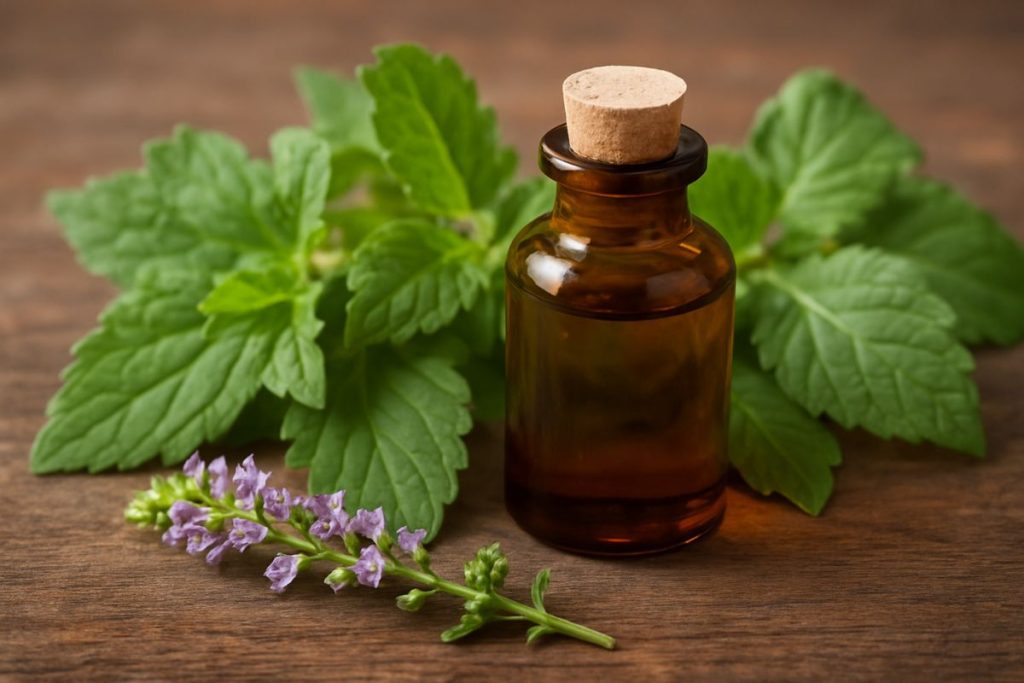
Patchouli botanical oil bottle in a spa-like environment. Patchouli essential oil is a sweet and woody scent. This fragrance is often utilized as a base note in perfumes and incidence because of this rich smell. Patchouli oil is used in aromatherapy as a relaxant and calming agent; one of the reviews states that the scent of the oil can be used to help lift the mood and decrease stress. In the picture on the left, the bottle of patchouli oil is depicted in a spa-like location, which serves to emphasize its regular application in skincare and wellness practices.
What Is Patchouli Oil?
Patchouli oil is an aromatic essential oil obtained from the leaves of the patchouli plant (Pogostemon cablin). The patchouli plant is a bushy, mint-family herb native to Southeast Asia (notably Indonesia, India, and the Philippines). To make the oil, farmers harvest the leaves, allow them to dry, and then use steam distillation to extract the concentrated oil. The result is a fragrant oil with a strong, earthy aroma that is pale or yellowish in color when freshly distilled. Today, patchouli is cultivated in many tropical regions worldwide due to its popularity in perfumery and aromatherapy.
Patchouli is a product with a rich background. It is named after a Tamil word that means scented leaf. In India, the patchouli leaves have traditionally been used to keep precious fabrics safe against moths; the leaves both repelled moths and made the cloth smell pleasant. Patchouli oil had already found its way to Europe by the 1800s and was used in fine perfumes. It re-emerged as popular in the West in the hippie movement of the 1960s where the rich, earthy smell of patchouli was an icon of natural living and freedom. Patchouli was also used to heal the skin and digestion by various holistic traditions (like Ayurveda and the Chinese medicine).
The oil’s properties come from its chemical makeup: it is rich in sesquiterpenes like patchoulol (also called patchouli alcohol). Patchoulol gives patchouli oil much of its characteristic musky scent and may contribute to its reported anti-inflammatory effects. Other compounds (pogostol, norpatchoulenol, etc.) also play roles in patchouli’s aroma and potential health benefits. This complex chemistry makes patchouli oil distinct from many other essential oils.
Patchouli Oil Scent and Aroma
Patchouli oil is famous for its intense, earthy aroma. Many describe it as a strong blend of woody, sweet, and spicy notes. Indeed, patchouli is often used as a base note in perfumery meaning it provides depth and longevity to a fragrance. Holland & Barrett notes that patchouli’s scent is “intense… strong, sweet, and intoxicating,” with an earthy quality. This depth of scent is why patchouli blends well with lighter floral or citrus oils; it anchors the fragrance. For example, patchouli perfume oil is often combined with jasmine, ylang-ylang, or bergamot for a balanced fragrance.
Patchouli’s smell is also described as musky or camphor-like, and it becomes richer with age (freshly distilled patchouli can be sharp, while aged oil turns warm and mellow). Its exotic aroma makes it popular in niche and luxury scents. In fact, patchouli oil fragrance is common in products ranging from soaps and detergents to candles and incense. Users often note that the scent of patchouli is grounding and long-lasting.
Patchouli Oil Uses
Patchouli oil has a wide range of uses in aromatherapy, cosmetics, and even household products. Its earthy, spicy aroma and antiseptic properties make it versatile. Some common applications include:
- Perfumes & Incense: Patchouli oil’s rich, musky aroma is popular in perfumes, colognes, and scented products. It’s frequently used as a base note in fragrances, incense sticks, and scented candles. Many classic “woodsy” or “oriental” perfumes rely on patchouli to give depth. Patchouli oil as perfume adds warmth and longevity, which is why it’s also called a fixative in perfumery.
- Soaps & Skin Care: Patchouli oil is frequently used in handmade and commercial soaps, shampoos, lotions among other skin care products. The aroma of patchouli combined with antiseptic properties of the compound makes it handy in body care and cleansing. Specifically, patchouli oil soap will be successful in the market where its users have acne prone or dry skin. Patchouli oil is used in many soaps that are sold to heal the skin or to detoxify it due to the alleged capacity to calm the agitation and to decrease the inflammation.
- Aromatherapy & Relaxation: In essential oil therapy, patchouli oil is widely used for its calming scent. Diffusing patchouli oil or blending it into massage oils can promote relaxation and uplift mood. For example, adding a few drops of patchouli essential oil to a warm bath or an oil diffuser can help ease stress and anxiety. Some aromatherapists also use patchouli body oil during massages to relieve tension and ground the mind.
- Skin & Hair Treatment: Patchouli oil may help with certain skin and scalp issues. When diluted (usually 1-3% in a carrier oil), it may soothe skin conditions like acne, eczema, fungal infections, or cracked, itchy skin. It’s often found in natural remedies for itching or dryness. For hair, patchouli oil is sometimes included in shampoos or hair masks to control oily scalp and dandruff. The oil’s ability to inhibit microbial growth can contribute to a healthier scalp environment.
- Insect Repellent & Antiseptic: Patchouli oil contains compounds toxic to insects and microbes. It has been used traditionally to ward off mosquitoes, lice, and other pests. Scientific studies confirm these uses: for example, patchouli oil can effectively kill houseflies and deter ants. It was found to be highly toxic to mosquitoes in tests. It also has mild antibacterial activity and can act as a natural disinfectant. Some people burn patchouli incense or add it to sprays to keep bugs at bay, and it’s used in natural deodorant recipes for its antimicrobial properties.
- Flavoring & Other Uses: In very dilute amounts, patchouli oil has even been used to flavor foods and drinks. The FDA has listed patchouli among allowed flavoring substances in candies, baked goods, and beverages. (Of course, this is in minute concentrations under careful control.) Additionally, patchouli oil may appear in DIY cleaning products or herbal blends, where its fragrance masks odors and its antiseptic action adds a boost.
Each of these uses takes advantage of patchouli oil’s distinctive qualities its fragrance, its ability to blend with other ingredients, and its natural bioactive properties. As a bonus, its long-lasting scent means a little goes a long way in most formulations.
Benefits of Patchouli Oil
Beyond its practical uses, patchouli oil is prized for a variety of health and wellness benefits. Much of the evidence is anecdotal, but scientific studies have begun to back up some of the claims. Notable benefits include:
- Anti-Inflammatory: Patchouli oil has shown anti-inflammatory effects in research. In animal studies, components of patchouli oil significantly reduced chemically induced swelling and inflammation. This suggests patchouli could potentially help relieve inflammatory conditions (though human studies are needed).
- Pain Relief: Linked to its anti-inflammatory action, patchouli oil may also ease pain. A mouse study found that an oral patchouli extract reduced pain responses in several tests. While this was in animals, it hints that patchouli oil might help with aches or headaches when applied or inhaled (again, more research is needed).
- Antibacterial: Patchouli oil can inhibit the growth of certain bacteria. Studies have shown it disrupts biofilms of methicillin-resistant Staphylococcus aureus (MRSA), a troublesome pathogen. In other lab tests, patchouli oil alone stopped Pseudomonas aeruginosa from growing and even worked better than some blends against Streptococcus pneumoniae. These results suggest patchouli oil has broad antibacterial activity, which aligns with its traditional use as an antiseptic.
- Antifungal: Similarly, patchouli oil has demonstrated antifungal effects. In one screen of 60 essential oils, patchouli was notably effective against Cryptococcus neoformans (a fungus that can cause serious infections). It also showed activity against Candida albicans in some tests, though results vary. This means patchouli oil might help combat certain fungal skin or nail infections in a diluted topical form.
- Skin Health & Anti-Aging: Patchouli oil paint a bright future in anti-aging research in skincare. In one study, the mice were subjected to UV radiation in the presence of patchouli oil on the skin. Patchouli treated mice were less wrinkled and contained more collagen. A combination of 12 percent patchouli oil in another human trial enhanced the recovery of skin infection (when compared to none). These studies indicate a suggestion that patchouli oil may prevent damage to the skin and aid in healing perhaps owing to antioxidant and cell-regenerative action.
- Insecticidal: As noted above, patchouli oil is a natural insecticide. Experiments found it was more effective than many other essential oils at killing house flies and certain ant species. Another study showed patchouli oil was the most toxic of several oils to Aedes aegypti and Anopheles mosquitoes. While more work is needed, this indicates patchouli oil could be an eco-friendly pesticide option.
- Mood Enhancement: The earthy scent of patchouli can lift mood. A small study suggested that inhaling patchouli oil reduced stress hormones and fight-or-flight responses in women. Patchouli is often said to have an aphrodisiac effect as well (though this is mostly anecdotal). In aromatherapy, patchouli is commonly used to relieve anxiety, depression, and insomnia, with many users reporting a grounding, uplifting effect.
- Digestive & Appetite Effects: Some sources list patchouli oil as an appetite suppressant or digestive aid. However, a controlled experiment in rats found that inhaling patchouli oil did not significantly change food intake or weight. This suggests that any appetite-control benefits of patchouli are unproven. Nonetheless, patchouli herbal teas have traditionally been used to calm the stomach and reduce nausea.
Overall, patchouli oil’s benefits seem to stem from its anti-inflammatory, antimicrobial, and soothing properties, backed by both traditional use and some emerging science. It’s often included in topical creams and ointments for its ability to calm skin and heal, as well as in aromatherapy blends for emotional wellness.
How to Use Patchouli Oil
There are many ways to enjoy patchouli oil, but safety and proper dilution are key. Here are some common methods:
- Topical Application: Always dilute patchouli oil in a carrier oil (such as jojoba, coconut, or almond oil) before applying to the skin. A typical dilution is around 1-5% patchouli oil. For example, 3-5 drops of patchouli oil per tablespoon of carrier is safe for skin use. Once diluted, you can massage the oil onto your skin, add it to lotions, or mix a few drops into a bath for a relaxing soak.
- Aromatherapy: Patchouli can be inhaled through an essential oil diffuser or vapouriser. All one has to do is to drop a few drops of patchouli oil (mixed with water or a carrier), into your diffuser. The aroma of patchouli can be diffused in a room with open windows to make the air smell better and create a relaxing effect. Otherwise, put some drops on a tissue or cloth, be close to your nose and inhale and exhale a few times to get a quick aromatherapy treatment.
- Massage & Baths: Create a soothing massage oil by mixing patchouli with a carrier and gently rubbing it into the body. For bath use, combine 5-10 drops of patchouli oil with a little carrier oil or bath gel, then add to warm bathwater. The warm water helps disperse the oil, allowing you to inhale the aroma and absorb small amounts through your skin.
- DIY Products: Because of its fragrance, patchouli oil is popular in homemade beauty products. You might add it to DIY facial serums, body butters, or lip balms (always keeping it under 2% of the total formula). For example, blending 5 drops of patchouli oil into a natural lotion can give it an earthy scent and extra antiseptic punch.
- Household Uses: A few drops of patchouli oil can be added to cleaning solutions or laundry for a natural scent boost and germ-fighting effect. Some people also use patchouli-scented sachets or potpourri in closets to deter moths and mold.
When mixing patchouli with other oils or ingredients, note that it blends well with many scents. Good companion oils include cedarwood, frankincense, rose, lavender, sandalwood, and bergamot. These combinations can enhance patchouli’s aroma and effects (for example, patchouli+lavender for relaxation, or patchouli+sandalwood for grounding).
Patchouli Oil Side Effects and Precautions
Patchouli oil is generally safe when properly diluted, but it can cause problems if misused. Follow these guidelines to use it safely:
- Dilute Before Use: Never apply undiluted patchouli oil to the skin. Pure essential oils are very concentrated and can cause irritation or allergic reactions. A safe dilution is typically 1-3% (1-3 drops per teaspoon of carrier).
- Patch Test: Before widespread use, do a patch test to check for sensitivity. For example:
- Mix 1 drop of patchouli oil with a teaspoon of carrier oil.
- Apply a small amount to a bandage or cotton pad on the inside of your forearm.
- Cover it and wait 48 hours, then remove it and check for redness or irritation.
Only use more broadly if no reaction occurs.
- Avoid Ingestion: Do not ingest patchouli oil. Drinking or swallowing essential oils can be toxic. Only use it topically or by inhalation, and only ingest under the guidance of a qualified healthcare professional.
- Avoid Eyes and Mucous Membranes: Keep patchouli oil away from sensitive areas like eyes, inner ears, and genitalia. If it accidentally contacts the eyes, rinse well with a carrier oil (not water) immediately.
- Special Populations: Pregnant or breastfeeding women, young children, and pets should avoid patchouli oil unless advised by a medical professional. Children and pets can be especially sensitive to essential oils. People with asthma or respiratory issues should also use caution when diffusing oils.
- Blood Clotting: Patchouli oil can affect blood clotting. According to safety reviews, anyone taking blood thinners or who is about to undergo surgery should avoid patchouli. This also applies to people with bleeding disorders like hemophilia.
- Possible Reactions: When used carefully, adverse effects are rare. Some people may experience mild headache, dizziness, or nausea if the scent is too strong. Topical overuse could cause skin rash or irritation. If any irritation develops, stop use immediately and wash the area with soap and water.
By following these precautions, most people can enjoy patchouli oil safely. Remember: always use high-quality, pure patchouli essential oil (look for reputable brands with batch testing) and store it in a cool, dark place to preserve its properties.
Frequently Asked Questions
- Q: What is patchouli oil? Patchouli oil is an essential oil extracted from the leaves of the patchouli plant (Pogostemon cablin). It has a strong, earthy aroma and is used in aromatherapy, perfumery, and skincare.
- Q: What does patchouli oil smell like? Patchouli oil has an intense musky, woody, and slightly sweet scent. Many describe it as earthy or camphorous. It’s often used as a base note in fragrances because the smell lasts a long time.
- Q: What is patchouli oil good for? Traditionally, patchouli oil has been used to relieve skin problems (like dryness or acne), reduce inflammation, and promote relaxation. Modern studies suggest it has anti-inflammatory, antibacterial, and antifungal properties. It can help with skin healing and stress relief. However, most benefits come from external use (not ingestion).
- Q: What are the benefits of patchouli oil? Patchouli oil may reduce swelling and pain due to its anti-inflammatory effects. It also shows antimicrobial activity, helping fight bacteria and fungi. Aromatherapists praise it for easing anxiety and improving mood. It’s found in lotions and ointments for skin healing and in diffusers for relaxation.
- Q: How do you use patchouli oil? You can use patchouli oil in many ways: dilute it in a carrier oil for massage; add a few drops to a bath; put a drop on a diffuser; or incorporate it into lotions and soaps. Always dilute and do a patch test first. For example, to make a relaxing massage oil, mix 3 drops of patchouli oil with a tablespoon of sweet almond oil and rub into tense muscles.
- Q: Can patchouli oil be used as a perfume? Yes, patchouli oil itself has a distinctive fragrance and is commonly used in perfumery. Its strong, deep scent makes it a natural perfume oil. You can wear it diluted on skin (mixed with a carrier) or buy blends (a drop mixed with jojoba makes a simple personal fragrance). Its aroma lingers for hours, so a little goes a long way.
- Q: Does patchouli oil help skin? Many people use patchouli oil for skin care. When diluted, it may help soothe irritated skin, heal minor wounds, and reduce blemishes. It is anti-inflammatory and antimicrobial, which can benefit acne or fungal infections. However, always test first, as some sensitive skin types might react.
- Q: What are the side effects of patchouli oil? Side effects are uncommon if used correctly. Potential issues include skin irritation, allergic reaction, headache, or nausea if used undiluted or in excess. Key cautions: do not ingest patchouli oil, avoid during pregnancy or if on blood thinners, and always dilute before topical use.
- Q: What products contain patchouli oil? Many products feature patchouli oil today: solid perfumes, body oils, soaps, incense sticks, candles, and even beard oils. It’s also an ingredient in some boutique perfumes and luxury candles. Patchouli oil soap (often combined with sandalwood or hemp oil) is sold for its skin-soothing properties and distinctive scent.
Conclusion
Patchouli oil is a versatile essential oil, having a distinct smell, and having numerous traditional applications. Patchouli has true value to add to the world of aromatherapy and wellness habits, since it has a multitude of uses in fragrance and skin care, as well as anti-inflammatory and antimicrobial effects. With this said, it has to be applied wisely: it should always be diluted, there should be a patch test, and one should pay attention to precautions. Patchouli oil can be utilized to add value to your beauty and self-care routine.
For context, the patchouli oil market is booming: analysts project it will grow from about $120 million in 2025 to $184 million by 2035, reflecting its popularity in clean beauty, aromatherapy, and natural perfumery. If you enjoyed this in-depth guide on patchouli essential oil, please share it on social media or pin it for reference! Have you tried patchouli oil? Leave a comment below to let us know your experience or questions. Your insights help others learn and grow!
Sources: This article cites peer-reviewed studies and expert resources to ensure accuracy. For further reading on aromatherapy and essential oils, see our related articles. (References are linked in the text above.)