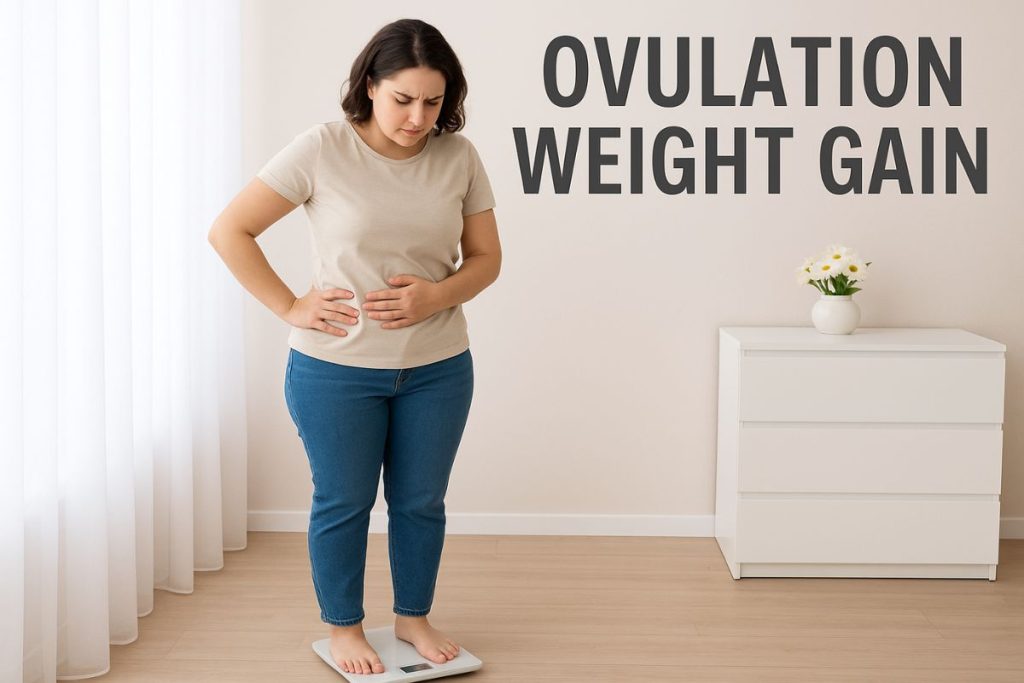
Ovulation weight gain refers to the temporary increase in body weight that some women notice around the time of ovulation. Many women trying to conceive ask, “Do you gain weight during ovulation?” In practice, it’s common to feel a bit bloated or puffy mid-cycle. The phrase “ovulation weight gain” is often used to describe this sensation. Ovulation weight gain is usually mild (often 1-5 pounds) and largely due to water retention and bloating from hormonal fluctuations. In other words, most of the extra weight around ovulation is water weight, not fat. Experts note that this change “isn’t necessarily a cause for concern” and typically resolves soon after ovulation when your hormone levels normalize.
Key points:
- Timing: Ovulation typically occurs mid-cycle (about day 14 of a 28-day cycle) (ovulation weight gain happens around that time). Note only 16% of women have a 28-day cycle, so ovulation (and any weight changes) may come earlier or later.
- Hormonal Surge: Around ovulation, a surge in luteinizing hormone (LH) and rising estrogen cause your body to retain extra fluid and salt.
- After Ovulation: Progesterone rises after the egg is released, which can slow digestion and sometimes increase appetite. These effects can add to the “full” feeling. People often describe these mid-cycle effects collectively as ovulation weight gain or ovulation bloating.
- Magnitude: Any weight gain at ovulation is almost always small (typically 1-5 lbs, mainly water) and goes away after ovulation or by your next period.
Understanding Ovulation and the Menstrual Cycle
Ovulation is the phase in your menstrual cycle when the ovary releases a mature egg. In a typical 28-day cycle, ovulation occurs around day 14, though timing varies with cycle length. Only about 16% of women have this textbook cycle; for a longer or shorter cycle, ovulation shifts accordingly. Understanding this can help explain ovulation weight gain: the hormones that trigger ovulation (LH and follicle-stimulating hormone) surge in mid-cycle. Estrogen peaks just before ovulation and then drops, while progesterone rises afterward. These hormonal changes not only prompt the egg’s release but also influence fluid balance and appetite which leads to any temporary weight changes (ovulation weight gain) you may notice.
For women tracking fertility, noticing ovulation weight gain can actually be a clue. By logging weight along with other signs (basal temperature, cervical mucus), many find that a small mid-cycle bump lines up with ovulation. In short, a bit of ovulation bloating and weight gain is usually a normal sign that your body is cycling properly.
Hormones and Weight Fluctuations
Estrogen vs. Progesterone
The two key reproductive hormones have opposite effects on weight and appetite. Estrogen, which peaks just before ovulation, tends to suppress appetite and cause the body to hold onto more water. Progesterone, which rises after ovulation, can stimulate hunger and slow digestion. In practical terms, higher estrogen around ovulation often triggers mild fluid retention (bloating), while higher progesterone afterward can make you feel fuller and sometimes hungrier. These hormonal effects are the root of what many women call ovulation weight gain. For many, “ovulation weight gain” is just another name for this normal mid-cycle weight fluctuation.
“Estrogen has an overall inhibitory effect on food intake, whereas progesterone has the opposite effect,” notes one review. In other words, just after ovulation (when progesterone is high), you may feel hungrier or crave more food. However, this is still a short-lived change; it does not usually lead to true fat gain if your overall diet is balanced.
Fluid Retention and Bloating
Around ovulation, hormonal shifts affect kidney function and blood vessels, leading the body to retain extra fluid in tissues. Many women experience bloating mid-cycle a sensation of fullness or swelling in the belly. This bloating can make your weight scale rise slightly. Importantly, this is water weight, not added fat. In fact, a Flo Health article confirms “ovulation bloating is real”. It explains that hormonal changes during ovulation “can increase water retention in your belly, which leads to bloating”.
Many people hear the term “ovulation weight gain” on forums or period apps. It simply means the small scale increase from this water retention. One way to think about it: that mid-cycle puffiness is literally ovulation weight gain. For example, if you notice your stomach feels very full one day, that fullness is often called ovulation weight gain it’s your body holding a bit of extra water.
Studies back this up. A year-long study of 62 women had participants rate their bloating daily. It found that bloating scores were lowest in the mid-follicular phase and then “gradually increased…over the 11 days surrounding ovulation.”. In other words, most women in the study reported rising bloating in the days just before ovulation. Notably, the same study showed fluid retention peaking at menstruation, not at mid-cycle. In everyday terms, this means any slight ovulation weight gain usually disappears by the time your period starts. Indeed, a 2023 study found that women’s body weight was about 0.45 kg (1 lb) higher during menstruation than in earlier cycle days. This confirms that the largest fluid gain happens with your period, so any ovulation weight bump is generally smaller.
In summary, ovulation weight gain is typically just temporary bloating. It often starts a few days before ovulation, lasts through ovulation, and clears up once your period arrives. If you track your weight closely, you’ll usually see it return to baseline within a day or two after ovulation. If it doesn’t, the extra weight is likely part of premenstrual changes, not the ovulation phase. Experts emphasize that this is not fat gain just water. As one source puts it, if you gain weight during ovulation “it’s likely not a cause for concern”.
Ovulation Weight Gain: What to Expect
How Much Weight Gain Is Normal?
In practice, most women report only a slight increase on the scale during ovulation often a couple of pounds at most. This is almost entirely water weight. For example, health sources note that a gain of about 1-3 pounds is common during ovulation due to bloating. These pounds stem from fluid and salt buildup, and usually resolve quickly (often within a day or two after ovulation or when the period starts). Health experts agree that this small gain “does not necessarily indicate an underlying health condition”.
Everyone’s body is different, so experiences vary. Some women feel virtually no change, while others might feel up to 2-3 pounds heavier. The key sign of normal ovulation weight gain is timing: it consistently appears around day 12-16 in a regular cycle. If you consistently see this pattern each month, it means your cycle is likely consistent. If you’re tracking your fertility, you might even log this as ovulation weight gain an expected mid-cycle blip.
Other Signs of Ovulation
Weight gain around ovulation often comes along with other typical ovulation symptoms. These can include:
- Mild pelvic cramp (Mittelschmerz): A few women feel a twinge or ache on one side when the egg is released. This is normal. (Sharp or severe pain would need medical attention.)
- Basal Body Temperature (BBT) Rise: After ovulation, your waking (basal) body temperature usually rises by about 0.5°F (0.3°C) due to progesterone. Tracking BBT is a classic way to confirm ovulation.
- Cervical Mucus Changes: Just before and during ovulation, cervical mucus typically becomes clear, stretchy, and slippery like egg white. This fertile-quality mucus is your body’s way of helping sperm travel to the egg.
- Breast Tenderness: As estrogen peaks around ovulation, many women notice breasts feel fuller or slightly tender.
- Mood or Appetite Shifts: Hormonal swings can cause transient mood changes or food cravings around ovulation.
Tracking a combination of these signs can help predict ovulation. For example, you might notice a spike in BBT, stretchy mucus, and mild bloating all around the same day. In forums and apps, women often point out that logging the slight “ovulation weight gain” (scale up) with the temperature rise and mucus change can confirm they are in the fertile window. In short, ovulation weight gain usually isn’t a mystery when you consider these other ovulation clues together.
Ovulation vs. Other Causes of Weight Gain
Ovulation vs. Premenstrual Weight Gain
It’s important to distinguish ovulation bloating from typical premenstrual (PMS) weight gain. PMS weight gain generally occurs in the late luteal phase, in the week before your period, and is driven by rising progesterone and other hormones. This pre-period swelling often feels heavier and lasts longer. By contrast, true ovulation weight gain peaks at the egg-release time and is shorter. Healthline notes that many women actually weigh less during ovulation than they do in the premenstrual phase. In other words, you might see a 2-3 lb increase a week after ovulation (PMS), which is usually larger than the minor bump right at ovulation.
To put it simply: ovulation weight gain is mild and short-lived, while PMS weight gain can be more pronounced and drawn out. If your weight rises in the week before your period, that’s the PMS effect. If it rises exactly mid-cycle and then drops by the next week, that’s ovulation. Some women even say, “I feel heavier after ovulation (PMS) than right at ovulation.” This timing difference helps you know which phase is responsible.
Ovulation vs. Early Pregnancy
Early pregnancy can also cause bloating and slight weight gain, which sometimes confuses women tracking fertility. However, true pregnancy weight gain (from the developing embryo and placenta) doesn’t show up right at ovulation it happens later, usually after a missed period. During the luteal phase (after ovulation), any weight gain is still mainly from hormones. If you have ovulation weight gain one cycle and a positive pregnancy test the next cycle, that mid-cycle gain was likely just normal fluid. Medical sources note that while bloating is possible in early pregnancy, it is not a reliable pregnancy sign because it also occurs normally at ovulation. If in doubt, wait until after a missed period to test.
Managing Ovulation Weight Gain and Bloating
Although ovulation bloating is normal, there are lifestyle measures to ease the discomfort:
- Stay Hydrated: Drinking plenty of water helps flush out excess sodium and reduce bloating. It may seem counterintuitive, but hydration prevents the body from holding on to fluid. The UK’s NHS and other experts advise drinking enough water and even sipping herbal teas (like ginger or peppermint) to ease bloating.
- Limit Sodium and Processed Foods: High-salt foods (chips, fast food, canned soups) can worsen water retention. Cutting back on sodium helps prevent extra puffiness.
- Eat Potassium-Rich Foods: Potassium helps balance electrolytes. Foods such as bananas, avocados, sweet potatoes, and leafy greens can encourage fluid balance. This can counteract the bloating that contributes to ovulation weight gain.
- Smaller, Frequent Meals: Large meals or gas-producing foods (beans, cruciferous veggies, carbonated drinks) can intensify bloating. Eating smaller portions and chewing thoroughly can aid digestion. Flo Health specifically suggests eating smaller, more frequent meals to ease ovulation bloating.
- Gentle Exercise: Light activities like walking, yoga, or swimming improve circulation and digestion. Even a short walk after meals can reduce fluid buildup and gas. Both Flo Health and the NHS note that regular exercise can help ease mid-cycle bloating.
- Magnesium and Relaxation: Some women find magnesium supplements (with doctor’s approval) helpful; magnesium can reduce fluid retention. Mayo Clinic also notes that regular aerobic exercise and good sleep may ease cyclical bloating. Relaxation techniques (deep breathing, gentle stretching) can also relieve tension that might aggravate bloating.
Medical options: If ovulation bloating is very bothersome, consult your healthcare provider. In some cases, hormonal birth control or supplements can regulate hormone levels and reduce bloating. For example, Flo Health mentions that hormonal contraceptives can alleviate severe ovulation bloating. Also, if you have severe pain, very irregular cycles, or symptoms like significant swelling or weight gain outside your normal pattern, mention it to your doctor. These could signal conditions like ovarian cysts, polycystic ovary syndrome (PCOS) or other hormonal issues.
Tracking Your Cycle and Weight
Many women find it helpful to track their menstrual cycle and symptoms. Recording daily weight, mood, basal temperature, and discharge can reveal patterns. For example, fertility apps and charts often show that a tiny weight increase lines up with ovulation. By charting your cycle this way, you’ll likely see that a small weight bump always occurs mid-cycle (ovulation) and disappears by menstruation. You can also use a classic paper diary. The image below shows a menstrual calendar being marked. Keeping a written log of each day’s cycle day, symptoms, and weight can help correlate cycle phase with any scale changes. Image: Woman marking a menstrual cycle calendar. Tracking such details helps correlate ovulation weight gain with cycle days. Over several months, these logs make it clear that a minor weight increase (ovulation weight gain) repeats at the same point in your cycle.
Ovulation Bloating: What It Feels Like
“Bloating” during ovulation varies in intensity. Some women barely notice it, while others feel their belly swell noticeably. You might feel like you’ve eaten a huge meal or that your jeans fit tighter. According to health sources, you may notice “mild bloating and discomfort around the time of ovulation”. This usually coincides with other ovulation signs. Often the bloating is mild and peaks right around the day before or the day of ovulation. In practice, many women literally observe this as actual ovulation weight gain. For example, one cycle tracker might show a 2 pound rise at ovulation and then a drop by menstruation. Although uncomfortable, this bloating is usually transient. By the time your period begins, the extra fluid is typically gone.
If ovulation bloating is a major concern (e.g. very painful or lasting well beyond ovulation), discuss it with your doctor. Otherwise, remember that a bit of mid-cycle puffiness is usually normal.
FAQs About Ovulation Weight Gain
Q: Do you gain weight during ovulation? Yes. It’s common to see a slight, temporary gain around ovulation due to water retention from hormonal changes. Most women gain only a few pounds (often 1-3 lbs) at this time. Importantly, this gain is not fat. Doctors emphasize that if you do gain weight at ovulation, “it’s likely not a cause for concern” and usually clears up quickly.
Q: Do some women gain weight before ovulation? Some women begin retaining fluid a few days before the egg is released. Hormones like estrogen and LH start rising in the late follicular phase, so modest water retention can begin 4-5 days pre-ovulation. In fact, one study found bloating often starts about 5 days before ovulation and continues until menstruation. In other words, you may feel heavier just before your mid-cycle fertility window, but this usually peaks right at ovulation.
Q: Is ovulation bloating normal, and how long does it last? Yes, ovulation bloating is a normal part of the cycle for many women. It typically lasts only a few days: from a day or two before ovulation until a day after. Hormone levels naturally fall after the egg is released, so the bloating subsides. In most cases, by the time your period starts, any ovulation bloating is gone. If bloating persists for many days, it’s more likely due to premenstrual (PMS) changes.
Q: Why do I gain weight during ovulation? This happens because ovulation hormones cause fluid retention. The LH surge and rising estrogen around ovulation make your body hold onto extra water. In simple terms, the small scale bump at ovulation is from fluid, not fat. It’s a normal response to the hormone surge.
Q: Is gaining weight around ovulation normal? Yes. Mild weight gain around ovulation often called ovulation weight gain is a common, normal symptom of the cycle. It simply reflects hormonal water retention. It usually lasts only a day or two.
Q: How long does ovulation weight gain last? Usually just a short time. Most women see the bloating go away within a couple of days after ovulation. The body then sheds the extra fluid with menstruation. If the weight gain or bloating lasts well into the luteal phase, it’s likely PMS-related, not the ovulation phase.
Q: What is normal ovulation weight gain? Typically, a gain of 1-3 pounds is considered normal ovulation weight gain. Health sources note that such a small increase (from fluid retention) is common. Larger spikes (over about 5 pounds) at mid-cycle are unusual; if you see that much change, consider talking with your doctor.
Q: Does drinking water help reduce ovulation weight gain? Yes. Staying well-hydrated helps your kidneys flush out excess salt and water, easing bloating. Medical advice (such as from the NHS) recommends plenty of water to relieve menstrual bloating the same advice applies to mid-cycle bloating. Along with hydration, reducing salty foods and exercising can minimize ovulation weight gain.
Q: Can tracking ovulation weight gain aid fertility planning? Absolutely. Charting your daily weight alongside other signs can confirm ovulation. Noticing a consistent small rise (ovulation weight gain) each cycle often lines up with the fertile window. Fertility-tracking methods (e.g. symptothermal method or apps) use these clues. By logging weight as one data point, you can better identify when ovulation occurs.
Conclusion
Ovulation weight gain is a common, temporary part of the menstrual cycle. It results from the normal hormone-driven fluid retention and bloating around the time the egg is released. For women trying to conceive, spotting this pattern can even reassure you that ovulation has occurred. Remember that this gain is almost all water weight and clears up by menstruation. By staying hydrated, eating balanced meals, exercising lightly, and tracking your cycle, you can minimize mid-cycle bloating and clearly see this pattern. Menstruation then begins the cycle anew (menstruation shown below), usually flushing out any retained fluid so your weight returns to baseline.
If your symptoms ever become severe or very unusual, don’t hesitate to consult your healthcare provider. Otherwise, a little ovulation weight gain each month can be viewed as a normal sign of your body’s fertile rhythm.
Have more questions about ovulation weight gain or bloating? Share your experiences or tips in the comments below!
Sources: Reputable medical sources and studies (Healthline, Flo Health, MedicalNewsToday, peer-reviewed research, NHS advice, etc.) explain that ovulation-related weight changes are usually small and due to fluid retention. These insights ensure you have medically grounded information on ovulation weight gain.
Previous Post: Rhodiola Weight Loss, Stix Pregnancy Test, Pregnancy Bikram Yoga, Dry Eye Pregnancy