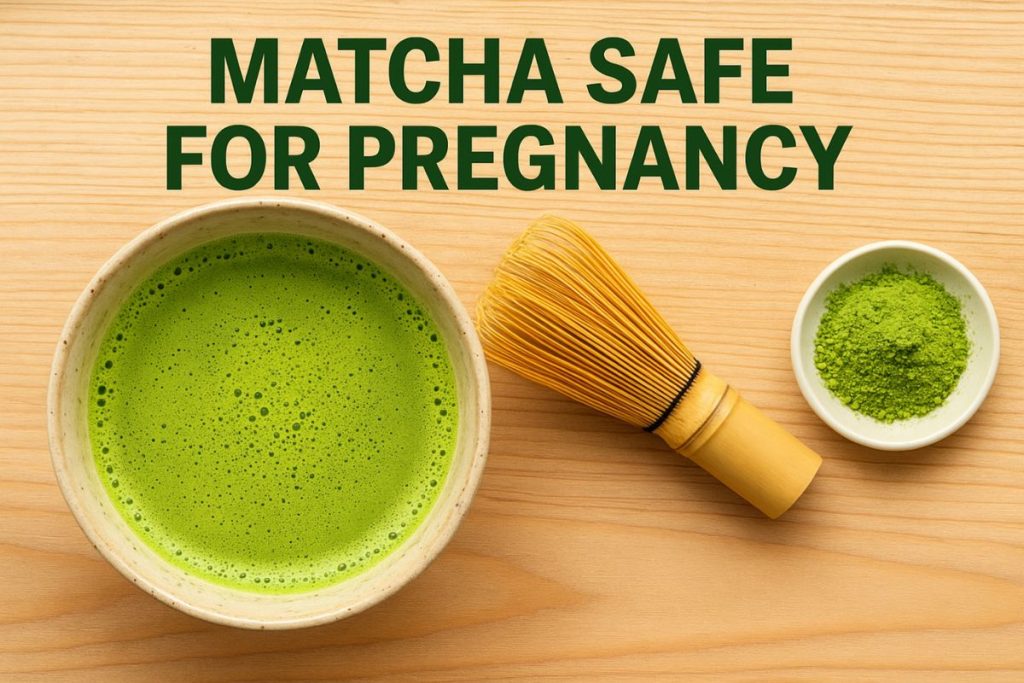
Expectant mothers often wonder, “Is matcha safe for pregnancy?” Matcha the finely ground green tea powder cherished for its antioxidants is hugely popular. This article explores the safety of matcha for pregnant women, including its caffeine content, health benefits, potential risks, and practical advice. You’ll learn what science and experts say about consuming matcha (and matcha lattes) while expecting, helping you make informed choices.
What Is Matcha?
Matcha is a type of green tea made by grinding whole young tea leaves into a bright green powder. Unlike steeped tea, matcha lets you consume the entire leaf, delivering concentrated nutrients, antioxidants, and caffeine. It’s traditionally whisked into hot water or milk, giving a rich flavor and creamy texture. Because matcha is whole-leaf, it contains more phytochemicals (like catechins and chlorophyll) than steeped green tea. In addition, matcha supplies vitamins (A, C, E, K, B-complex) and minerals (magnesium, zinc, selenium). These nutrients can support overall health, but the key question during pregnancy is whether any compounds in matcha pose risks.
Nutritional Profile of Matcha
Matcha is prized for its antioxidants (polyphenols like EGCG) and the amino acid L-theanine. A single 8 oz cup of matcha typically contains roughly 38 to 89 mg of caffeine, more than regular green tea but less than coffee. It is also rich in catechins, powerful antioxidants that help fight oxidative stress. L-theanine promotes a calm, focused energy, which many describe as alert yet relaxed. Matcha’s vitamins and minerals including vitamins A, C, E, K and B, plus minerals like selenium and magnesium may further support wellness during pregnancy.
- Key Matcha Nutrients: Catechins (antioxidants) and chlorophyll; L-theanine (calming amino acid); Caffeine (40-70 mg per cup); Vitamins A, C, E, K, B and minerals.
- Health Effects: Catechins may help protect cells and support heart health. L-theanine can improve focus and reduce stress. Note: Antioxidants may be sensitive to heat, so very hot preparations could reduce some benefits.
Matcha and Caffeine: Pregnancy Guidelines
The primary safety concern for any caffeinated beverage in pregnancy is caffeine. Caffeine crosses the placenta and can affect fetal development. Leading health organizations agree that pregnant women should limit total caffeine to about 200 mg per day. For example, the American College of Obstetricians and Gynecologists (ACOG) states that moderate caffeine consumption (<200 mg/day) “does not cause miscarriage or preterm birth”. Similarly, UK health authorities advise no more than 200 mg daily to avoid low birth weight and other complications.
A cup of matcha (8 oz) typically has roughly 40-70 mg of caffeine depending on how much powder is used. A strong latte might be higher. In practical terms, drinking 1-3 cups of matcha per day usually keeps you under the 200 mg limit. For example, a hospital nutrition blog notes that staying within 3 cups of matcha daily generally keeps caffeine under 200 mg. If you use more matcha powder or drink multiple high-strength lattes, caffeine can accumulate quickly.
Practical Tips: Measure matcha carefully roughly 1 teaspoon (about 2 grams) per 8-oz cup and count all caffeine sources (coffee, tea, chocolate, soda) together. Remember a typical cup of coffee has ~100 mg, so a matcha latte plus a small cup of coffee can push you over 200 mg. For context, Harvard Health notes matcha’s caffeine is less than coffee but higher than steeped green tea. As one RMC maternity nutrition guide advises: keep matcha servings modest to control caffeine. Pregnant women metabolize caffeine more slowly, making this limit important.
Summary of Guidelines: ACOG and other experts agree: moderate caffeine (<200 mg/day) is not linked to miscarriage or preterm birth. Thus, enjoying a cup of matcha (≤70 mg) or two per day is generally considered safe.
Potential Benefits of Matcha During Pregnancy
When consumed responsibly, matcha offers perks beyond its lively taste. Its rich antioxidant and nutrient profile may support maternal health:
- Antioxidants: Matcha’s high catechin (EGCG) content can reduce oxidative stress and support overall immune health. This antioxidant power may help shield cells from damage during pregnancy.
- Calm Energy: Thanks to L-theanine, matcha provides a steadier, calmer alertness compared to coffee. L-theanine has been associated with improved concentration and focus, which can help counter “pregnancy brain” fatigue. One dietitian notes matcha offers sustained focus without jitters.
- Nutrient Boost: Matcha contains vitamins A, C, E, K and B-complex plus minerals like selenium, chromium, zinc, and magnesium. These micronutrients support bone health, immunity, and tissue growth. For instance, magnesium aids muscle and nerve function, while folate (vitamin B9) though present is better obtained from supplements due to absorption issues (see Risks below).
- Metabolic Support: Some research suggests green tea compounds may gently enhance metabolism. While weight loss isn’t the goal during pregnancy, maintaining healthy metabolism (with doctor’s guidance) is part of well-being.
Potential Risks and Considerations
Despite its upsides, matcha isn’t risk-free for pregnant women. Key considerations include:
- Caffeine Overload: Exceeding recommended caffeine limits can pose problems. High caffeine has been linked to increased heart rate and blood pressure, and (in very high amounts) to issues like low birth weight. Though <200 mg/day is considered safe, going over may raise risks. For example, WHO reports caffeine >300 mg/day may be associated with low birth weight or miscarriage. So stick to modest matcha servings.
- Folate (Folic Acid) Interaction: Green tea catechins (abundant in matcha) can inhibit absorption of folic acid, a vitamin crucial for preventing neural tube defects. Studies show heavy green tea drinkers have lower serum folate levels. Therefore, avoid drinking matcha right before or after taking prenatal vitamins. Space them out by an hour or two to ensure full folate uptake.
- Iron Absorption: The tannins in tea can reduce the body’s absorption of non-heme iron (the kind in plants). Since iron needs increase in pregnancy, you don’t want matcha to block plant-based iron (from spinach, beans, cereals). Like folate, avoid chugging matcha with meals rich in iron; instead enjoy it between meals.
- Quality and Contaminants: Tea plants can accumulate heavy metals (like lead, aluminum) or pesticides if grown poorly. Lower-quality matcha may carry these trace toxins. One expert tip is to choose high-grade, organic matcha from reputable brands. Ceremonial-grade matcha (bright green, finely ground) often has fewer impurities. Buying tested organic matcha reduces exposure to harmful residues.
- Allergies/Additives: Pure matcha is generally safe, but matcha lattes or mixes may have added sugars, dairy, or botanicals. Excess sugar isn’t recommended in pregnancy, so watch sweetened matcha drinks. For dairy-sensitive women, use lactose-free or plant milks. Also, be cautious with flavored matcha products (e.g. with exotic herbs) as some ingredients might not be pregnancy-tested.
Summary of Concerns: In short, the main matcha-related worry is too much caffeine or nutrient interference. Keep servings small (1 cup or less at a time) and pay attention to timing and quality. If you have any pregnancy complications (e.g. history of preterm birth, severe anemia) or caffeine sensitivity, discuss matcha with your OB/GYN first.
How to Enjoy Matcha Safely While Pregnant
Fortunately, several simple guidelines allow you to sip matcha with confidence:
- Limit Daily Intake: Aim for no more than one 8-oz cup of matcha per day (about 40-70 mg caffeine) to stay well under 200 mg total. Some experts even suggest closer to 3 small cups daily as an absolute max. Measure your matcha (roughly 1 teaspoon per cup) rather than eye-balling it.
- Time It Wisely: Drink matcha between meals or away from vitamins/minerals. For example, wait an hour after your prenatal vitamin or iron-rich meal before enjoying matcha. This minimizes interference with nutrient absorption.
- Choose Quality: Always pick high-quality matcha. Look for ceremonial-grade, organic options which are tested for contaminants. Avoid bright-green (artificially colored) or very cheap powders. Pure matcha should smell fresh and not bitter.
- Consider Decaf: If caffeine bothers you, decaffeinated matcha is available. Some brands use CO₂ decaf methods that remove ~95% of caffeine while leaving flavor. It’s a great way to enjoy matcha flavor without any caffeine at all.
- Balance with Diet: Make sure you’re meeting folate and iron needs through diet and supplements. Because matcha can slightly reduce these nutrients, focus on folate-rich foods (leafy greens, beans) and take your prenatal vitamins as directed. Follow your doctor’s advice on supplementation.
- Listen to Your Body: Pregnancy can make you more sensitive. If drinking matcha makes you jittery, nauseous, or keeps you up at night, cut back. You might switch to a milder green tea or herbal alternatives (see FAQ). Always trust any signs of discomfort and consult a healthcare provider if unsure.
Matcha Latte and Other Variations
Many pregnant women ask, “Is a matcha latte safe during pregnancy?” The short answer: Yes, if you keep the matcha in check. A matcha latte typically has the same caffeine as regular matcha tea (sometimes more powder is used, especially in cafe drinks). For example, one homemade serving (about 1 teaspoon) has ~35-70 mg caffeine. Store-bought lattes can contain more if multiple scoops are added, plus lots of sugar. The Bearaby wellness blog cautions that “the latte itself isn’t unsafe, but the amount of matcha powder used might be”, and advises avoiding the “venti” sizes.
To enjoy a pregnancy-safe matcha latte: use only ½-1 tsp of high-quality matcha powder, whisked into steamed milk or a pregnancy-safe plant milk. Skip extra sweeteners and avoid adding espresso or energy shots. Choose calcium-rich milks (dairy, almond, oat) to get nutrients for you and baby. In essence, a matcha latte can be a cozy, safe beverage as long as it’s made lightly.
Likewise, iced matcha drinks or smoothies are fine if prepared with the same precautions (caffeine limit, clean ingredients). The key is simply not to overdo it your OB/GYN’s caffeine guideline still applies to any form of matcha.
Mushroom Matcha and Pregnancy (Ryze, etc.)
“Is Ryze matcha safe for pregnancy?” you might wonder. Ryze and similar brands blend ceremonial matcha with medicinal mushrooms (cordyceps, reishi, lion’s mane, etc.). These mushrooms are generally considered safe during pregnancy. For instance, a Healthline review notes that lion’s mane, reishi, cordyceps and other culinary or medicinal mushrooms “are generally safe to consume”, although studies on pregnant women are limited. They’re not psychedelic mushrooms instead, they’re valued for immune and cognitive support.
Regarding Ryze specifically, a cup of its mushroom matcha contains only 30 mg of caffeine (about one-third of a coffee). Ryze even states on its website that their matcha blend is “perfectly safe to consume during pregnancy or while breastfeeding”, though they do recommend consulting your physician first. In practice, drink mushroom matcha just as you would regular matcha: mind the caffeine content and quality. The adaptogenic mushrooms may add some antioxidants and immune support, but they don’t change the caffeine-based guidelines. Overall, moderate use of a low-caffeine mushroom matcha is unlikely to harm just keep total caffeine in check and follow your doctor’s advice.
Matcha Safe for Pregnancy: Key Takeaways
- Moderation is key. Enjoying one cup of matcha (or matcha latte) per day is generally safe for most pregnant women. This keeps caffeine well under the 200 mg/day guideline from ACOG and NHS.
- Watch for interactions. Don’t drink matcha with prenatal vitamins or meals rich in folate and iron, to avoid blocking nutrient absorption.
- Choose quality. Use organic, ceremonial-grade matcha to minimize toxins. If caffeine is a concern, try decaffeinated matcha.
- Listen to experts. Registered dietitians and obstetricians emphasize that caffeine sources matter. A fertility nutritionist notes 1 to 3 cups of green tea (including matcha) per day is usually safe. Still, every pregnancy is unique consult your OB/GYN if you have high-risk factors.
Pregnancy is a time for careful choices. By following these guidelines, you can likely continue to enjoy the calming ritual and health perks of matcha while keeping your baby safe.
FAQs (Matcha Safe for Pregnancy)
Q: Is matcha safe for pregnancy?
A: In general, yes, matcha can be safe if consumed in moderation. The key is to limit total caffeine to under ~200 mg/day as recommended by ACOG. Since matcha has around 40-70 mg caffeine per cup, most women stick to one cup daily. Choose high-quality matcha and avoid heavy use. If you stay within guidelines, matcha’s antioxidants can even be beneficial.
Q: How much matcha is safe to drink while pregnant?
A: Most experts suggest no more than 1-3 cups of matcha per day, with a cup defined as ~8 oz with 1 teaspoon of powder. One cup yields ~50 mg caffeine, so three cups is near the upper safe limit. Remember to count caffeine from all sources. If you drink matcha daily, keep it around 1 cup (or a couple small ones) and consult your doctor if you’re unsure.
Q: Does matcha affect folic acid or iron?
A: Yes. Matcha’s green tea catechins can slightly inhibit folic acid (folate) absorption, and its tannins can hinder plant-based iron uptaker. To minimize this, avoid drinking matcha at the same time as prenatal vitamins or iron-rich meals. Wait at least an hour after taking your vitamins or eating, then enjoy matcha. This spacing helps ensure your baby gets full benefits of folate and iron.
Q: Is a matcha latte safe while pregnant?
A: A matcha latte is essentially matcha powder mixed with milk. It is safe as long as the amount of matcha (and thus caffeine) is kept low. Homemade lattes using ½-1 teaspoon of matcha will have minimal caffeine. Beware of large café lattes: they can contain multiple scoops of matcha and added sugar, which push caffeine and calories up. In summary, you can enjoy the latte ritual, but “skip the venti” and ask for smaller sizes or less matcha powder.
Q: What about Ryze or other mushroom matcha products?
A: These blends combine matcha with medicinal mushrooms like cordyceps and reishi. They’re generally safe the mushrooms themselves are not psychoactive and are considered safe in pregnancy. Ryze’s own product contains only ~30 mg caffeine per serving, and the company states it’s “perfectly safe” during pregnancy. Still, follow the same caffeine limits. Treat it like any matcha: one serving a day and consult your physician if you have doubts.
Q: Can I drink matcha every day during pregnancy?
A: Daily matcha can be fine if you keep it to about one cup per day. This typically stays under 100 mg caffeine (well below the 200 mg guideline). Always check your total daily caffeine. If you feel any jitters, insomnia, or digestive upset from daily matcha, switch to occasional or choose decaf. Each pregnancy is unique when in doubt, ask your OB-GYN.
Q: Is matcha high in caffeine? How does it compare to coffee?
A: Matcha contains more caffeine than a steeped cup of green tea but less than coffee. Harvard Health notes an 8-oz matcha cup has about 38 to 89 mg caffeine, whereas a similar serving of coffee has 100 to 120 mg. So matcha is milder than coffee. However, because you ingest whole leaves, matcha’s caffeine effect is steadier. You’ll just need to count it into your daily total.
Q: Does matcha affect getting pregnant or fertility?
A: There’s no clear evidence that moderate matcha intake hinders fertility. In fact, the antioxidants in matcha might support general health. However, excessive caffeine has been linked (in some studies) to ovulation issues. A review notes “excessive caffeine intake might potentially impact ovulation”. If you’re trying to conceive, it’s wise to limit all caffeine (including matcha) to moderate levels (≤200 mg/day) and maintain a healthy diet. Always discuss concerns with your doctor.
Q: Are there other pregnancy-friendly teas or alternatives?
A: Yes. If you’re unsure about matcha, you can enjoy herbal teas known to be safe (e.g. rooibos, ginger, peppermint) or mild caffeinated teas in moderation. Rooibos is naturally caffeine-free and antioxidant-rich. Ginger tea can ease nausea. Peppermint tea can relieve indigestion. Note that some herbs (like unblended chamomile, hibiscus, licorice root) are best avoided or used sparingly in pregnancy. Always check labels and consult your provider. As a rule, limit herbal teas to 1 to 2 cups a day unless certified “pregnancy safe”.
Q: Should I always consult my doctor about matcha?
A: Absolutely. Every pregnancy is unique. If you have a high-risk pregnancy, a history of pregnancy loss, or specific health concerns (like anemia or high blood pressure), talk with your OB/GYN before drinking matcha. They may suggest tailored limits. In general, healthcare providers agree that moderate matcha intake is safe for most pregnant women, but personal guidance is always best.
Conclusion
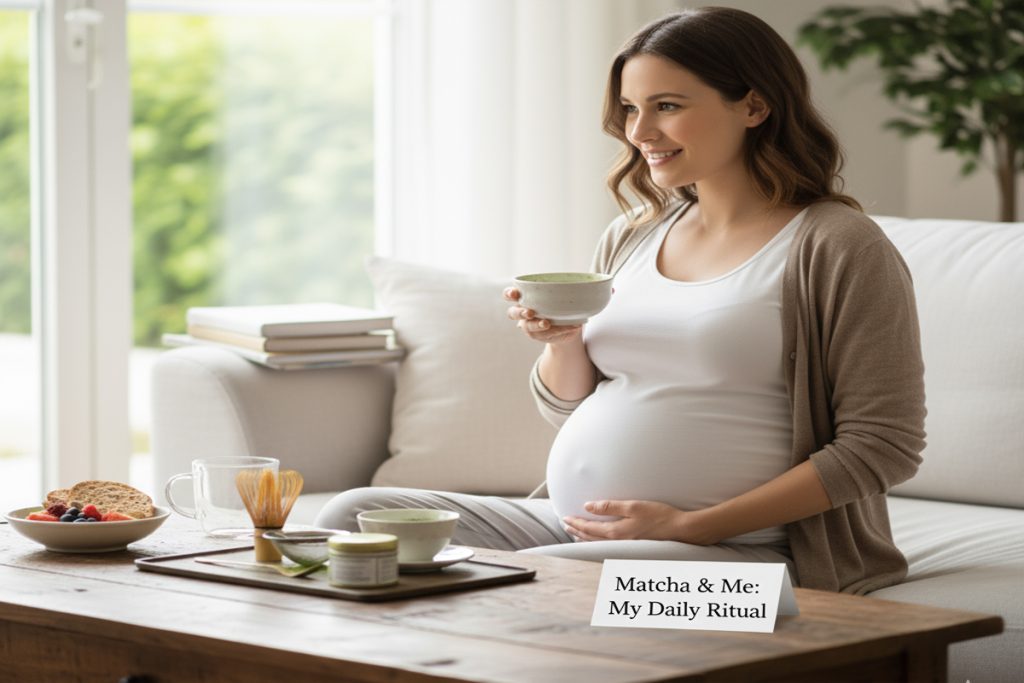
In summary, matcha can be enjoyed during pregnancy, but with mindfulness. Its healthful antioxidants and nutrients are a bonus, but the caffeine and catechins mean moderation is crucial. Limit yourself to about one cup a day (or up to 3 small ones) and always keep total caffeine under 200 mg. Space out consumption from meals and prenatal vitamins, choose high-quality matcha, and listen to your body. With these precautions, many pregnant women find they can safely sip matcha tea or matcha lattes and even relish the comforting ritual.
Expert Insight: As one RMC health expert notes, “Matcha can be a delightful and beneficial part of your diet during pregnancy when consumed in moderation”. Stay informed, make educated choices, and enjoy that cup of green tea goodness it may well be a healthy pick-me-up during your pregnancy journey.
If you found this guide helpful, share it with other moms-to-be! Have questions or tips about matcha and pregnancy? Leave a comment below and join the conversation.