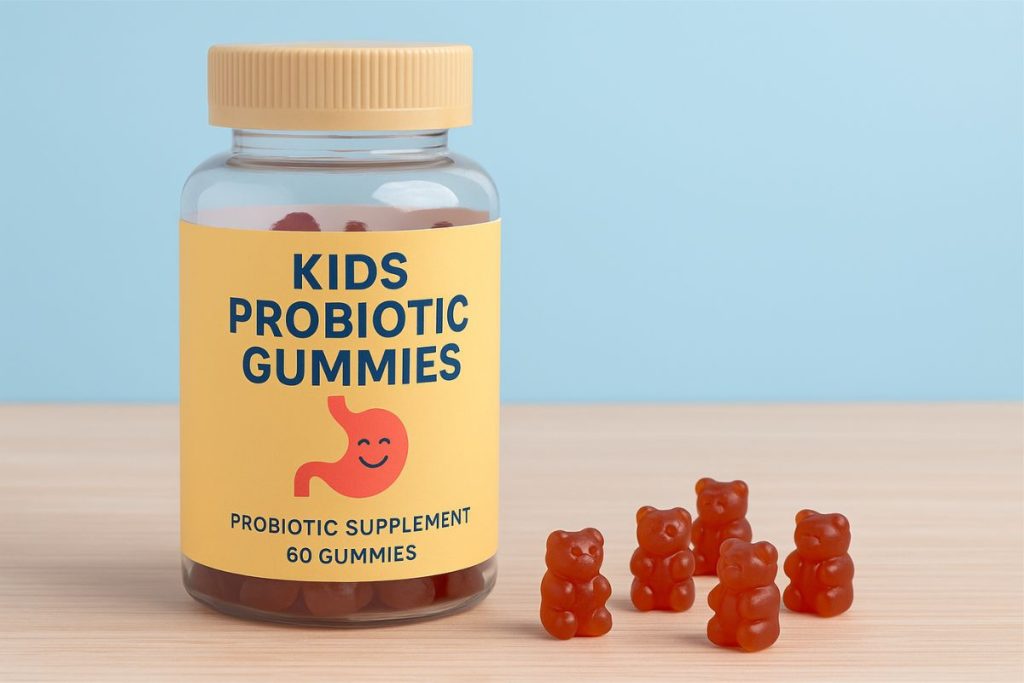
Children’s health blogs and product marketers often tout kids probiotic gummies as a fun way to boost gut health and immunity. These chewable supplements contain live beneficial bacteria (probiotics) specifically chosen for young digestive systems. This article explains what probiotic gummies for kids are, how they work, their potential benefits, and what parents should consider when choosing a product. We also cover safety notes, current research, and frequently asked questions, so you have all the facts to decide if these kids probiotics gummies are right for your family.
Gut health is closely tied to overall wellness. Probiotics are “good” bacteria and yeasts that live in the digestive tract and help with digestion and immune function. Common probiotic species include Lactobacillus and Bifidobacterium, the same friendly microbes naturally found in a healthy gut. Some studies suggest probiotics may help manage digestive issues and immune responses in children for example, potentially reducing the likelihood of antibiotic-associated diarrhea or allergy symptoms. However, evidence is mixed: many trials show only modest or no benefit, and experts caution that supplements are not a cure-all. Children’s Hospital Colorado notes that over-the-counter probiotics are not tightly regulated by the FDA, so product quality varies. A research review even found only 1 out of 16 tested probiotic products contained the exact strains and doses listed on its label. In short, kids probiotic gummies can support a healthy microbiome, but parents should use them thoughtfully, as part of a balanced diet and under guidance.
Kids probiotic gummies sometimes called “children’s probiotics” in gummy form are simply probiotic dietary supplements shaped and flavored like candy. Each gummy delivers live bacteria (measured in CFUs, or colony-forming units) intended to help the gut microbiome. They often contain multiple strains (a “multi-strain” formula) and billions of CFUs. For example, a typical kids gummy may contain Lactobacillus acidophilus and Bifidobacterium lactis, with at least 1-5 billion CFUs per serving. (By comparison, experts say a probiotic supplement should generally provide at least 1×10^6 CFUs per dose to be effective.) Kids probiotic gummies often include extra ingredients like vitamins or fiber (inulin, fructooligosaccharide, etc.) to make them tasty and beneficial. Because children may be picky about pills or powders, gummies are a parent-friendly way to get probiotics into a child’s diet. In essence, gummy probiotics for kids work the same way as capsules: the live microbes reach the intestine and (theoretically) help crowd out bad bacteria, aid digestion, and support immune defenses.
Potential Benefits of Probiotic Gummies for Kids
Proponents claim that giving probiotics to kids can yield several health perks, particularly for digestion and immunity. While more research is needed, some of the possible benefits cited in the literature include
Reducing antibiotic-associated diarrhea
Numerous studies (in adults and children) show that taking probiotics during and after an antibiotic course can cut the risk of diarrhea. A large review found that antibiotics plus probiotics halved the likelihood of diarrhea compared to antibiotics alone. In children specifically, a review of 23 clinical trials (nearly 4,000 kids) found moderate-quality evidence that probiotics significantly reduced antibiotic-related diarrhea, with no serious side effects in otherwise healthy children. In short, probiotic gummies might help a child tolerate antibiotics better by replenishing good gut bacteria.
Soothing digestive upset
Some research suggests specific strains can help with general tummy troubles in children. For example, Lactobacillus reuteri (often sold as an infant/child probiotic) has been linked to reduced colic crying time in breastfed infants. (While infant colic is not the same as older kids’ digestion, this indicates some children’s probiotics can calm certain GI issues.) Probiotics may also increase stool frequency and help with mild constipation in some children, although results are mixed.
Supporting immunity
A healthy gut flora is important for overall immune function. Probiotics can stimulate the immune system and crowd out harmful bacteria. Some studies (and expert blogs) note that children who take probiotics report fewer colds or milder allergic symptoms. For instance, CHLA experts mention evidence that probiotics can help reduce infections like necrotizing enterocolitis in premature babies and may decrease common colds. While gummies alone won’t guarantee an illness-free year, they may give the gut-immune axis a gentle boost.
Gut microbiome balance
By “seeding” the gut with beneficial bacteria, probiotic gummies aim to keep the microbiome balanced. A well-populated microbiome aids digestion of foods (including fibers and nutrients), vitamin production, and even mood regulation. The bacteria in probiotic gummies are typically the same species that normally live in the digestive tract. This means you’re essentially supplementing the body’s natural microbes.
Fiber and prebiotic synergy
Many kids probiotic gummies include dietary fiber or prebiotics (often called “fiber gummies for kids” when focusing on fiber content). Prebiotic fibers (like inulin or FOS) feed the probiotic bacteria and other native gut microbes. This can help probiotics survive and multiply. For example, some formulas combine Lactobacillus with apple fiber or psyllium in each gummy. The fiber itself also supports regular bowel movements and gut health.
However, it’s important to note that not every child will experience clear benefits. The scientific evidence, though promising in areas, is still evolving. A recent analysis concluded that probiotic effects vary by strain and condition, and we still don’t know which types work best for which kids. Many parents report subjective improvements (happier tummies, less gas, etc.), but large-scale pediatric studies are limited.
How Probiotic Gummies Work and What They Contain
Probiotic efficacy depends on two key factors: strain specificity and dose (CFU count). Different bacterial strains do different jobs. Most kids probiotic gummies contain Lactobacillus and Bifidobacterium strains, since these are well-studied in digestive health. For example:
- Lactobacillus acidophilus: a common strain in yogurt.
- Lactobacillus rhamnosus: often used to prevent diarrhea.
- Bifidobacterium animalis subsp. lactis: popular in kids’ formulas for colic and digestion.
These microbes, by nature, help break down food and crowd out pathogens in the gut. When taken as a gummy, the live bacteria survive stomach acid (via an enteric coating or high CFU dose) and reach the intestines. There they can temporarily join the gut community. However, note that most probiotics do not permanently colonize the gut they exert benefits only while you take them.
Dosage in probiotics is measured in CFUs (colony-forming units), a way to count live bacteria. A label might say “1×10^9 CFU”, which means 1 billion live bacteria per serving. Experts generally advise choosing products with at least 1 million to 1 billion CFUs per dose, with many kids gummies offering between 3 to 10+ billion CFUs. It’s also wise to pick a brand that guarantees the CFUs through the expiration date, not just at manufacture. Good products often list each strain and its CFUs, and some even specify the dose at the time of manufacture and at the date of expiry to ensure potency.
In addition to bacteria, probiotic gummies may contain:
- Prebiotic fiber or fruit purees: These sweet, chewy carriers often include inulin, starch, or fruit juice concentrates. The fiber acts as a food source for the probiotics (prebiotic).
- Vitamins: Some kid-specific formulas add vitamin D, C, or B12 for extra immune support.
- Flavoring and coloring: To appeal to kids, gummies are fruit-flavored and may include natural colors. (Choose products without artificial dyes or excessive sugar.)
- Stabilizers: To keep bacteria alive at room temperature, manufacturers add prebiotic gums or oils.
All this is packaged into a fun gummy shape. The probiotic itself might not have any taste, so the manufacturer masks the flavor with fruit juice, starches, or sweeteners. Parents should be mindful of the sugar content in these gummies. Many brands are sugar-free or use natural sweeteners (like fruit puree) to make them kid-friendly without a toothache.
Are Kids Probiotic Gummies Safe?
Generally, probiotic supplements (including gummies) are safe for healthy children, but there are important caveats. Children’s hospitals and experts note that serious side effects are rare in healthy kids. In fact, a comprehensive review found no serious adverse events in healthy children taking probiotics. The most common minor side effect is temporary digestive discomfort mild gas, bloating, or soft stools as the gut microbiome adjusts. The Children’s Hospital Los Angeles reassures that “probiotics are generally regarded as safe,” though a few people may experience mild bloating.
However, caution is needed in certain cases:
- Premature or immune-compromised infants: The FDA has warned that giving probiotics to preterm babies or very sick children can be dangerous. There have been documented cases of infections and even fatalities when live microbes were given to extremely vulnerable infants. Important: No probiotic supplement (gummy or otherwise) is FDA-approved as a drug for infants or children. They are regulated as dietary supplements, which means they are not tested for safety/effectiveness like medicines. If your child is hospitalized, premature, or has a serious health condition, consult a doctor before giving any probiotics.
- Quality and purity concerns: Because probiotics are a supplement (not a drug), FDA regulation is lax. Products do not require FDA approval or verified testing. As a result, some products on the market may not contain what they claim. A study found that only 1 in 16 probiotic products had matching strain and dose to the label. This inconsistency means there’s some risk a gummy might deliver fewer (or different) bacteria than advertised. To mitigate this, choose brands that use transparent third-party testing or GMP (Good Manufacturing Practice) certification.
- Allergens and additives: Check the label for common allergens like dairy, gluten, soy, or tree nuts. Also look at the sweetener source (some gummies use corn syrup, others use natural juices). A high-quality kids probiotic gummies will avoid unnecessary additives and list the source of ingredients.
- Drug interactions: Probiotics are not known to interfere with medications in healthy children, but always mention any supplements to your pediatrician.
In summary, for a healthy child, a quality probiotic gummy is unlikely to cause harm and may provide benefit. Just introduce it gradually (watching for any GI upset) and start with the lowest recommended dose. If your child is on antibiotics, has chronic illness, or is very young, do discuss probiotics with the doctor first.
How to Choose the Right Kids Probiotic Gummies
With many options on the market, selecting the best kids probiotic gummies can be overwhelming. Here are key factors to compare (integrating our secondary keywords):
- Strain Composition: Look for products that list specific bacterial strains (e.g. L. rhamnosus GG, L. acidophilus, B. lactis). Diverse formulas (“multi-strain”) may cover more bases. Studies often highlight certain strains for kids: L. rhamnosus GG for diarrhea, L. reuteri for colic, etc. A product that says simply “probiotic blend” without details is less trustworthy.
- CFU Count: Check the CFU per serving. Aim for a gummy that provides at least 1-5 billion CFUs per dose. Some brands boast 10+ billion. Remember, higher CFU can mean more potential benefit, but only if the product guarantees viability. Ensure the label notes CFU at expiry.
- Sugar and Additives: Since these are gummies, taste is a factor but avoid those loaded with sugar or artificial colors. Many are sweetened with fruit concentrates or xylitol/stevia. Too much sugar defeats the purpose of healthy gut support. Also verify it’s free of dyes like Red 40 or “unnatural” additives.
- Prebiotics (Fiber): If considering fiber gummies or synbiotic products, note the type of fiber included. Inulin and psyllium are good prebiotics that feed gut bacteria. If your child needs more fiber in diet, a probiotic gummy with added fiber kills two birds digestive regularity and microbiome nutrition.
- Doctor/Expert Recommendation: Some gummies are endorsed by pediatricians or dietitians and come with usage guidelines (e.g. start with one per day). While endorsements aren’t a guarantee, professional backing can be a plus.
- Age Range: Check the age label. Many kids probiotics gummies are designed for ages 3-12, or 4-18, etc. Choose one appropriate for your child’s age group. Do not give adult formulas to young children without checking dosage.
- Price and Formulation: Gummies are typically more expensive per dose than powders or capsules. Decide if a gummy is worth it for your child’s preference. Also, note that the FDA does not endorse any brand, so do your own research (look for third-party lab tests or company transparency).
Here’s a quick checklist of recommended qualities (anchored with citations):
- Multiple Clinically Studied Strains: e.g. L. rhamnosus, L. acidophilus, B. lactis.
- Guaranteed CFU Through Expiry: At least in the billions (1×10^9 CFU = 1 billion).
- Low to No Sugar: Fruit-sweetened or sugar-free.
- Free of Allergens: Check labels if child has dairy, soy, or gluten allergies.
- Storage and Handling: Some need refrigeration; others are shelf-stable. Follow instructions to keep the probiotics alive.
It can also help to read reviews from other parents, but remember anecdotal experiences vary. The best gummy probiotic for kids is one that meets these criteria, fits your child’s age, and ideally, is recommended by a healthcare professional.
Fiber Gummies and Prebiotics for Kids
Besides probiotics, many children’s supplements include fiber gummies to aid digestion. Prebiotic fiber and probiotics often go hand-in-hand. Prebiotics are types of dietary fiber that humans can’t digest, but gut bacteria love to ferment. Common prebiotics include inulin (from chicory or agave) and fructooligosaccharides. When a gummy delivers both probiotics (live bacteria) and prebiotics (fiber food), it’s called a “synbiotic”.
For kids, prebiotic fiber can help maintain regular bowel movements and feed beneficial bacteria. Some children’s gummy supplements include apple fiber, psyllium husk, or FOS alongside vitamins. This means the gummy not only gives good bacteria, but also promotes their growth naturally in the gut.
However, fiber gummies should be introduced gradually, just like probiotics. Too much fiber suddenly can cause gas or stomach ache. Stick to the product’s serving instructions. Also note that adding fiber can increase the bulkiness of the supplement, so ensure your child drinks plenty of water with fiber gummies.
In short, fiber gummies for kids can complement probiotic gummies. If your child’s supplement includes fiber, that’s a bonus for gut health. If not, you could still offer fiber-rich foods (vegetables, fruits, whole grains) to serve a similar prebiotic role.
Safety, Regulation, and Expert Opinions About Kids probiotic gummies
It’s crucial to reinforce that dietary supplements including probiotic gummies are not regulated like medicines. The U.S. FDA does not approve probiotics for medical use in children. Labels on dietary supplements are allowed to make structure/function claims (e.g. “supports digestive health”) but cannot legally claim to cure or prevent diseases unless they have rigorous testing.
What does this mean for parents? Essentially, trust but verify. Look for transparent companies that voluntarily test their products. Some brands have third-party seals (USP, NSF, ConsumerLab) indicating quality.
Children’s hospital experts emphasize three things: give the right probiotic for the right purpose, get guidance from a pediatrician, and remember these are generally safe supplements. If your child is healthy and eating a balanced diet, a probiotic gummy is usually not urgent. But if your child has recurring digestive issues or is on antibiotics, adding a trusted probiotic could be worthwhile.
Lastly, recall that probiotics are also found in foods like yogurt, kefir, and fermented veggies. Gummies are just a convenient supplement. Encouraging a diet with natural probiotics (and fiber) is always a great foundation.
FAQs About Kids probiotic gummies
Q: Are probiotic gummies safe for my child?
A: For most healthy children, probiotic gummies are considered safe. Occasional mild side effects (gas, bloating) can happen as the gut adjusts. Serious issues are rare in otherwise healthy kids. However, do not give probiotic supplements to very young premature infants or severely immune-compromised children, as the FDA warns of infection risk. Always follow the dosage on the label and consult your pediatrician if you have concerns.
Q: What benefits can kids get from probiotic gummies?
A: Potential benefits include supporting digestion and immunity. Studies show probiotics can reduce antibiotic-associated diarrhea in children and may ease colic in infants. They also help maintain a healthy gut microbiome, which is linked to better nutrient absorption and immune response. Remember that results vary by child and by product; gummies are a supplement, not a guaranteed cure.
Q: At what age can children take probiotic gummies?
A: Many gummy probiotics are formulated for ages 3 and up, but always check the label. Some products target ages 1-3 or 4-12. Pediatricians often recommend waiting until a child is at least 1-2 years old (when their diet diversifies) before using supplements. For infants under 1 year, other forms (like drops of specific probiotics) might be used under medical advice. When in doubt, ask your pediatrician.
Q: How many probiotic gummies should my child take each day?
A: Follow the manufacturer’s recommended dose. Commonly, children take 1 gummy once or twice daily, depending on age and the product’s strength. Since CFU counts vary, two smaller gummies might equal one higher-strength gummy. It’s best to start with the lower dose to see how your child tolerates it. There’s little danger of “too many” CFUs in healthy kids, but extra gummies mostly just act as extra vitamins (some brands have A, C, D, etc.).
Q: What’s the difference between kids probiotic gummies and fiber gummies?
A: Kids Probiotic gummies contain live beneficial bacteria. Kids fiber gummies contain non-digestible fibers (prebiotics) like inulin or psyllium. Prebiotic fiber feeds the good bacteria in the gut. Some products combine both (a synbiotic gummy). If you’re looking to support gut health, either can help: probiotics add helpful bugs, while fiber improves digestion and nourishes those bugs. Check labels to see what’s inside.
Q: Do gummy probiotics contain a lot of sugar?
A: Many children’s probiotics are formulated to taste good without loaded sugar. Top brands use fruit concentrates or natural sweeteners. Some are labeled “sugar-free” or use organic fruit purees. Always check the Nutrition Facts: a quality children’s gummy probiotic should have minimal added sugar. Remember that chewing gum in general can promote cavities, so it’s wise to have your child rinse or brush after taking a gummy.
Q: Can my child get probiotics from food instead of gummies?
A: Yes, fermented foods like plain yogurt with live cultures, kefir, cottage cheese, and even fermented vegetables (kimchi, pickles) naturally contain probiotics. However, it can be hard to know the exact strains and amounts in food. Gummies offer a controlled dose in a convenient form. If your child dislikes dairy or pills, a gummy probiotic can ensure they get those beneficial bacteria regularly.
Q: How should kids probiotic gummies be stored?
A: Storage varies by brand. Some require refrigeration (especially if they contain very delicate strains); others are shelf-stable at room temperature. Check the bottle instructions. Keep the container tightly closed in a cool, dry place, and use gummies by the “best by” date. Humidity and heat can kill the live bacteria, so avoid leaving them in the car on a hot day.
Conclusion
Kids probiotic gummies can be a friendly and effective way to introduce beneficial bacteria into a child’s diet, supporting digestive and immune health. They come flavored and fun, making it easy for children to take them daily. When chosen wisely (right strains, high CFUs, low sugar) and used appropriately, they pose little risk to healthy kids. Remember that probiotics are just one piece of the puzzle: a balanced diet rich in natural probiotics and fiber is equally important. Always consult a pediatrician if you have any doubts or if your child has special health needs.
If you’re considering trying kids probiotic gummies, start by reading labels and picking a reputable brand. Watch your child’s response, and enjoy the knowledge that you’re helping to nurture their gut microbiome an important foundation for lifelong health.
Have you tried probiotic or fiber gummies with your child? Share your experience or questions below! Your comments can help other parents learn about what worked (or didn’t) for your family. And if this guide helped you, feel free to share it on social media so more parents can make informed choices about children’s probiotics.