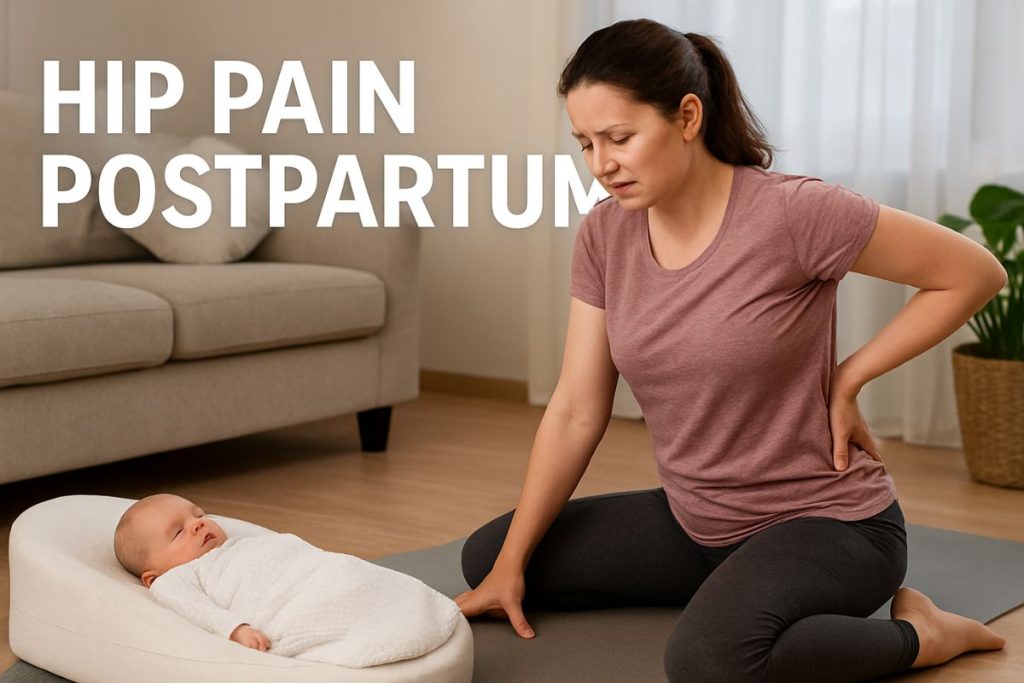
New mothers often experience hip pain postpartum due to the significant changes that pregnancy and childbirth place on the body. This hip pain postpartum can range from a dull ache in the pelvic bones to sharp, stabbing sensations in the hips or thighs. It’s not merely “part of being a new mom” there are specific causes (like hormones and muscle weakness) and solutions for it. In this guide, we explore why hip pain happens after childbirth, what symptoms to watch for, and proven exercises and treatments that can help you recover. We draw on medical sources and expert physical therapists to give clear, step-by-step advice for managing postpartum hip discomfort.
What Causes Hip Pain Postpartum?
Pregnancy and delivery introduce unique stresses on a woman’s hips and pelvis. Understanding these causes is key to addressing hip pain postpartum. Common causes include:
- Hormonal Changes and Joint Laxity: Pregnancy hormones (especially relaxin) loosen the ligaments in the pelvis and lower back. This increased joint laxity allows the pelvis to expand during pregnancy, but it can leave the hips unstable and prone to pain after birth. For example, Healthline notes that pelvic girdle pain (PGP) or symphysis pubis dysfunction (SPD) common hip pain types in pregnancy can persist for months after delivery if the pelvic joints remain loose.
- Pelvic Girdle Stress (PGP/SPD): The front and back of the pelvis bear heavy strain during pregnancy and labor. In late pregnancy, the pelvis expands (sometimes significantly) to accommodate the growing baby. This can weaken pelvic joints and cause a deep ache across the pubic area or lower back that radiates into the hips. If the pelvis doesn’t fully “snap back” right after birth, this pelvic girdle pain can linger as postpartum hip pain. Research shows PGP during pregnancy is a strong risk factor for hip pain in the months after childbirth.
- Muscle Weakness and Imbalance: Pregnancy tends to weaken the core and glute muscles (so they make room for the baby). When these large stabilizers are weak, other muscles (like the hip flexors, back muscles, and abductors) must work harder to compensate. This often leads to muscle tightness and imbalances around the pelvis. In fact, new mothers frequently report overworking muscles such as the hip flexors, quadriceps, and piriformis because they are trying to stabilize the hips without full core support. Over time, those compensating muscles tighten and can generate pain. This is why many women have a “locked” feeling in one hip or tightness across the front of the hip (hip flexor pain postpartum).
- Labor and Delivery Strain: The act of childbirth itself can be hard on the hips. Intense uterine contractions and the stretching of the pelvic bones during delivery can cause micro-injuries or inflammation in the hip area. Even a cesarean section (C-section) involves positions and movements that can stress hip joints and surrounding tissues. As Hinge Health explains, labor positions and pushing can create muscle strain and joint discomfort in the hips and pelvis that sometimes continue after delivery. If your baby was large or labor was prolonged, the extra stretching can extend recovery time and cause persistent hip soreness.
- Vitamin/Mineral Deficiencies: After childbirth, deficiencies in nutrients like calcium, vitamin D, or B12 (which are common during pregnancy) can contribute to ongoing hip pain. For instance, low vitamin D and calcium can reduce bone strength, and B12 is needed for nerve function. Ensuring a nutrient-rich diet postpartum helps the bones and nerves recover, reducing the risk of pain due to temporary imbalances.
- Overuse and Activity Level: New moms often shift between extremes of activity. Some women may try to resume heavy chores or exercise too quickly (increasing hip strain), while others may be very sedentary (leading to joint stiffness). Vinmec notes that both frequent heavy activities and insufficient movement can make postpartum hip pain more likely. Regular gentle movement and avoiding too much rest are both important for pelvic recovery.
- Other Underlying Issues: In some cases, postpartum hip pain has medical causes. These can include: hip labrum tears (damage to the cartilage ring in the hip socket), hip bursitis (inflammation of the cushioning sacs), or even flare-ups of arthritis. A torn labrum often causes deep groin or hip pain (sometimes with clicking or locking of the hip). Piriformis syndrome, where a tight gluteal muscle presses on the sciatic nerve, can also mimic hip pain and leg pain. While these issues are less common, they are possible postpartum hip pain causes and should be evaluated by a provider if suspected.
Common Symptoms of Postpartum Hip Pain
Hip pain after childbirth can show up in various ways. Even though every mother’s experience is unique, look out for these key symptoms of postpartum hip pain:
- Persistent aching or sharp pain in one or both hips or deep in the pelvis. New moms often describe a constant deep ache in the pelvis or hip area. This pain is usually worsened by activity (like walking, climbing stairs, or carrying the baby).
- Pain radiating to the thigh or groin. Hip issues can send pain down the leg. You might feel soreness that travels from your hip joint toward your inner thigh or groin, especially when standing or walking.
- Clicking, popping, or instability in the hip. Some mothers report that their hip joint seems to “catch” or make noises with movement. This can happen if the labrum is torn or if the joint is loose. You might feel like your hip is unstable or might “give out” during certain movements.
- Pain when sitting or lying on one side. Lying on your side at night can aggravate hip pain. You may wake up with stiff, achy hips or find it uncomfortable to sleep on your hip. This is often due to pressure on a sore hip joint or tight outer hip muscles.
- Low back and pelvic discomfort. Because the hips and lower back work together, hip pain can go hand-in-hand with lower back pain. You might notice new or increased back tension or ache, especially as your posture changes to protect a painful hip.
- Difficulty with everyday movements. You may find it hard to get up from a chair, climb stairs, or bend down to pick up something without pain. Even holding and moving your baby could trigger a stabbing or catching sensation in the hip (for example, as you stand up with the baby). StrongCoreMama (a physical therapist) notes that activities like carrying your baby or walking for even a few minutes can intensify a deep hip ache.
If you have any of these symptoms, especially if they limit your ability to care for yourself or your baby, it’s important to address them. Most postpartum hip pain stems from the common causes above, and early management with exercise and proper body mechanics can make a big difference.
Hip Flexor Pain Postpartum: A Common Subtype
One specific form of hip discomfort is tightness or pain in the hip flexors (muscles at the front of the hip). After pregnancy, many women notice hip flexor pain postpartum. Why does this happen? During pregnancy, the front of your belly stretches out and your posture changes, which shortens and tightens the hip flexors (like the psoas and quadriceps). Weak abdominal and gluteal muscles mean the hip flexors work harder, leading to a “pulling” sensation across the front of the hip. If you feel tightness or sharp pain in your groin area when taking a step forward, or pain in the hip crease when raising your knee, that’s likely hip flexor strain. Stretching and gently strengthening the hip flexors can relieve this specific pain. (We discuss exercises below that target the hip flexors.) In short, hip flexor pain postpartum is usually part of the overall pattern of muscle imbalance and is treated with stretching, core work, and proper posture.
Hip Joint Pain Postpartum: When It’s More Than Muscle
Sometimes mothers experience what feels like true joint pain in the hip itself. This might be due to conditions like bursitis (inflammation of the hip’s fluid sacs) or even hip arthritis or a torn labrum. For example, StrongCoreMama notes that hip bursitis is very common after pregnancy causing pain on the side of the hip, especially when walking or lying on that side. Hip bursitis can lead to tenderness and swelling in the hip area. Similarly, hip joint issues like a labral tear can produce a deep groin or buttock pain, often with clicking or catching. If your pain is very sharp, occurs with high impact or twisting movements, or you hear catching noises in the joint, mention this to your doctor. Often, however, joint pain postpartum still improves with rest, therapy, and exercises only rarely requiring interventions like injections or surgery.
Symptoms and Red Flags (When to See a Doctor)
Most postpartum hip pain can be managed at home with exercises and self-care. But there are red flags that should prompt medical evaluation:
- Severe or worsening pain: If your hip pain is very intense, getting steadily worse, or is preventing you from walking or carrying your baby, see a doctor. Hip pain that “came out of nowhere” and doesn’t improve with rest could indicate something like a labral tear or other issue needing professional attention.
- Neurological symptoms: If you have numbness, tingling, or weakness that radiates down your leg, this could signal nerve involvement (e.g. sciatica or severe piriformis syndrome). Hinge Health advises that sudden leg numbness, or pain that worsens gait and daily function, are signs to get checked.
- Pain lasting unusually long: Some discomfort 2-3 months postpartum can be normal, but if your hip pain is still severe at 4-6 months, it’s worth seeking help. Studies show many women improve by around six months after birth, but those with very intense pregnancy pain may need professional rehabilitation to prevent chronic pain.
- Any signs of infection or other health issue: Redness, warmth, or systemic symptoms (fever, chills) near your hip joint are uncommon, but would need immediate medical care if they occur.
In general, if postpartum hip pain limits your daily life or persists beyond the early postpartum period, consult a healthcare provider or physical therapist. They can perform simple tests (like a straight-leg raise or specific hip tests) to pinpoint the cause and guide treatment.
Treating Postpartum Hip Pain at Home
Most hip pain after childbirth can be eased with gentle home care. Here are key strategies:
- Gentle Exercise and Physical Therapy: Contrary to thinking “rest only,” keeping the hips moving is crucial. Physical therapists agree that targeted exercises help heal postpartum hip pain. Gentle movements restore blood flow, reduce stiffness, and strengthen muscles. We list specific recommended exercises in the next section, but generally include bridging, pelvic tilts, hip flexor stretches, and side-lying leg lifts. These moves help rebuild core and hip muscle strength without overloading the joints.
- Stretching Tight Muscles: Stretches for the hip flexors, adductors (inner thighs), and outer hips (figure-four stretch) can release tight muscles that often accompany postpartum imbalances. For example, a gentle kneeling hip-flexor stretch (lunge position) with an arm reach overhead can ease pelvic tightness. Similarly, pulling one ankle to the opposite knee (piriformis/figure-four stretch) opens up the butt and lateral hip. Including stretching in your routine can alleviate the deep “lock” feeling in the hips.
- Heat and Ice: Applying a heating pad or warm shower to the hips can increase blood flow and relax tight muscles. Ice packs (wrapped in a cloth) can reduce inflammation if your hips feel hot or swollen, or after doing exercises. A simple routine could be 15-20 minutes of heat or ice, as needed, a few times a day.
- Supportive Gear: Using a pelvic support belt or brace may help stabilize the hips if you have strong pelvic girdle pain. These are like wide elastic bands that go around your hips and sacrum. They limit excess pelvic movement and can ease pain during activities like walking. A maternity support belt can provide gentle compression.
- Good Posture and Body Mechanics: Pay attention to how you sit, stand, and move. Slouching or uneven posture can strain your hips. Hinge Health suggests ergonomic adjustments during baby care: alternate which hip you use to carry the baby to avoid muscle imbalance. Walk heel-to-toe (rather than flat footed) to restore normal gait. When lifting your baby, engage your core by bracing your abdominal muscles and use your legs rather than bending at the waist. Even small changes like keeping knees lower than hips when sitting, or using a footstool can reduce hip strain.
- Rest and Recovery: While movement is important, listen to your body. Don’t overdo activities that flare the pain. Take short breaks from heavy tasks (carrying laundry, pushing a stroller uphill) and allow your hips time to recover. Vinmec emphasizes the value of adequate rest even if pain seems minor. Balance activity with rest. When in acute pain, consider gentle rest (lying down) with a pillow under your knees to relieve the hips.
- Nutrition and Hydration: Support tissue healing by staying hydrated and eating a balanced diet rich in calcium, vitamin D, and B vitamins. Foods like dairy, leafy greens, nuts, seeds, and fish can boost bone and joint health. Sun exposure helps vitamin D synthesis, which strengthens bones. Adequate nutrition and avoiding overly restrictive postpartum diets can help your body repair pelvic tissues more effectively.
- Over-the-Counter Pain Relief: If you need it, common pain relievers can be used while breastfeeding (after checking with your provider). Ibuprofen (Advil, Motrin) or acetaminophen (Tylenol) are generally considered safe for postpartum joint pain. Taking medication on a schedule (rather than waiting for pain to peak) can break the pain cycle, allowing you to move more comfortably.
- Complementary Therapies: Some women find benefit in gentle treatments like massage, acupuncture, or chiropractic care. Acupuncture, in particular, has some evidence for easing postpartum pelvic pain. When choosing any complementary therapy, ensure the practitioner is experienced with postpartum clients. For example, prenatal/postnatal massage can relax tight hip muscles. Always consult your doctor about adding new therapies.
By combining these strategies consistently (daily gentle movement plus supportive care), many mothers see gradual improvement in hip pain postpartum. Importantly, avoid thinking you have to “tough it out.” Short, frequent walks and stretches can hasten recovery more effectively than isolating rest.
Postpartum Hip Pain Exercises
Regular exercise is one of the most effective long-term solutions for hip pain after pregnancy. Below are key exercises recommended by physical therapists. Start gently and only advance as your strength improves. Always warm up with a few minutes of light walking or pelvic rocking first:
- Bridges (Pelvic Bridge): Lie on your back with knees bent, feet flat on the floor, hip-width apart. Squeeze your glutes and lift your hips off the floor, forming a straight line from knees to shoulders. Hold for a few seconds, then lower slowly. This strengthens the glutes and hamstrings, helping stabilize the pelvis. (Bridges also gently stretch your hip flexors.) Tip: Press your heels into the ground and slightly tuck your tailbone as you lift. This exercise is shown above. (Maintain an engaged core and avoid overarching your back.)
- Kneeling Hip Flexor Stretch: Start in a kneeling lunge (one knee on the floor, other foot forward). Keep your torso upright. Gently lunge forward until you feel a stretch in the front of your hip of the leg that’s kneeling. Reach the same side arm overhead to intensify the stretch. Hold 15-30 seconds. This targets tight hip flexors, which are common postpartum. [Tip from Hinge: Overhead reach while lunging helps open up the hip flexors.]
- Figure-Four Stretch (Piriformis Stretch): Lie on your back with both knees bent. Cross your right ankle over your left knee (forming a “4” shape with your legs). Thread your hands behind your left thigh and gently pull it toward you. You should feel a stretch in your right buttock/outer hip. Hold 20-30 seconds each side. This stretches the piriformis and outer hip muscles, which often tighten and cause hip/buttock pain postpartum.
- Donkey Kicks: On hands and knees (tabletop position), keeping your core stable, lift one knee off the floor and extend that leg straight back and up (as if kicking toward the ceiling). Squeeze your glute at the top, then lower back down. Repeat 10-15 times each leg. Donkey kicks strengthen the glutes and hip extensors. As Hinge notes, this move “builds support and stability around the hips”. (Keep your pelvis level; don’t arch your back or twist.)
- Clamshells (Side-Lying Hip Abduction): Lie on your side with hips and knees bent (knees stacked, feet together). Keeping feet touching, lift your top knee upward, opening your legs like a clamshell. This strengthens the gluteus medius (outer hip) for hip stability. Repeat 10-15 reps each side. Focus on moving only the top leg without rolling your hips forward or backward.
- Pelvic Tilts: Lie on your back, knees bent. Flatten your lower back against the floor by engaging your core and tilting your pelvis up slightly. Hold for a few seconds, then relax. This gently mobilizes the lower back and pelvis, and activates the deep core muscles. It can relieve stiffness. Perform 10-15 pelvic tilts.
- Back Rotation Stretch: Lie on your back with arms out to the sides. Bend both knees and drop them to one side of your body, keeping shoulders flat on the floor. Turn your head to the opposite side. This provides a gentle rotation through the lower back and hips, easing stiffness. Hold 15-30 seconds each side.
When doing these exercises, prioritize form over quantity. It’s better to do each movement slowly and correctly than to power through reps with bad form. If an exercise aggravates pain, stop it. In general, postpartum exercises should focus on stability: strengthening the core and glutes to support the pelvis, while stretching the muscles that have tightened (hip flexors, back, inner/outer hips). As one physical therapy clinic notes, combining stretches like hip flexor and figure-four with strengthening moves like bridges and donkey kicks can address the most common sources of postpartum hip pain.
Integrating gentle stretches and strengthening exercises into your routine can ease hip pain postpartum. The bridge exercise above (lifting hips while lying on your back) activates the glutes and core to stabilize the pelvis.
Exercises for Hip Flexor Pain
If you specifically feel tightness or pain in the front of the hip (hip flexors), focus on:
- Kneeling hip flexor stretch (described above).
- Lunge Stretch with Core Engagement: Kneel on one knee, keep back straight, and gently push hips forward. To protect your lower back, brace your core as you lean into the stretch.
- Modified Bridge with Adduction: Place a small ball or pillow between your knees while doing a bridge. Squeeze gently as you lift, which activates inner thighs and keeps the pelvis level. This variation ensures the front hips stay neutral during bridging.
- Bent-Knee Side Leg Raises: Lie on your back with knees bent and feet flat. Keeping knees bent, slowly open one leg to the side and back (like a reverse butterfly) and return. This strengthens hip abductors while leaving hip flexors relaxed.
Exercises for Outer Hip/Glute Pain
If your pain is on the side or buttock, include:
- Figure-Four stretch (above) for piriformis.
- Clamshells (above) to strengthen side glutes.
- Standing Hip Hike: Stand on a step with one leg. Lower the free leg by letting the hip drop, then lift back up by contracting the hip of the standing leg. This works the side hip stabilizers. Do 10 reps each side.
- Side-Lying Leg Lifts: Lie on one side and lift the top leg upward (keeping it straight) then lower. This targets the gluteus medius.
Always combine these moves with core-engaging exercises, since a strong core relieves stress on the hips. For example, try doing pelvic tilts with deeper ab engagement, or performing any exercise while bracing your abdominals. Breathing is key exhale during exertion or when getting up from a forward bend, for instance. As you exercise, think of “pulling your belly button toward your spine” to maintain core stability.
Other Tips for Managing Hip Pain Postpartum
In addition to the exercises, consider these practical tips in daily life:
- Alternate carrying the baby: Avoid always resting your baby on the same hip. Habitually using one side can overload muscles. Hinge Health suggests switching sides frequently or using a carrier/infant wrap to distribute weight evenly. There’s no single “right” way to hold a baby, so pay attention to comfort and try to keep your weight balanced on both feet while holding them.
- Walk heel-to-toe: Late pregnancy often leaves moms with a “waddle” gait or flat-footed walk, which alters hip mechanics. Practice walking heel-first, rolling through your foot, and pushing off with your toes. This restores a more natural gait and helps your hip muscles function symmetrically.
- Vary your posture: Whether you’re nursing, feeding, or playing on the floor, avoid staying in one position too long. Change sitting postures try crossing legs, using a footstool, or alternating which leg is crossed on top. When feeding, move around; if breast or bottle feeding, try switching sides and positions between sessions. These small shifts prevent constant stress on one side of the hips.
- Use supportive sleeping aids: Sleep is precious and often limited. To ease nighttime hip pain, use pillows for support. If you sleep on your side, place a pillow between your knees and ankles; this keeps your hips aligned and reduces twist. A small pillow behind your back can also stabilize your posture in bed. If sleeping on your back feels better, try a pillow under your knees.
- Elevate baby care tasks: Reduce strain by doing baby care at waist height when possible. For example, place a changing pad on a dresser so you don’t have to lean over a low crib. Even bathing the baby in a kitchen sink (with a bath insert) can help avoid bending over a tub edge. These adjustments protect your hips (and back) from extra bending and twisting during routine tasks.
- Self-care and recovery time: Don’t neglect your own recovery. If pain is flaring, take short breaks: lie down with a heating pad, soak in a warm bath (once your doctor says it’s safe), or use a gentle massage gun on your hips (on low setting). Even 5-10 minutes of focused stretching or relaxation techniques can make you feel better. Remember: caring for yourself enables you to care for your baby better. Self-care might include simple deep breaths, taking a warm shower for hip relief, or seeing a physical therapist if needed.
Incorporating these strategies into your daily life can significantly reduce hip stress. Simple changes in how you move and rest can speed recovery. If you feel improved after trying these, keep up the routine. If certain activities always trigger pain, look for alternatives (for example, try side-lying feeding if back-to-feed hurts).
Medical Treatments and Professional Help For Hip Pain
If home care is not enough, several medical treatments and professional therapies can help:
- Physical Therapy: Often the first-line treatment for postpartum hip pain. A physical therapist who specializes in postpartum care can provide a personalized exercise program, manual therapy (soft-tissue massage or joint mobilization), and guidance on posture. As one expert PT writes, the goal is to “get your pelvis back to neutral and rebuild strength in the muscles around your hips”. This often means retraining posture (since pregnancy pulled your pelvis forward) and activating deep core and hip stabilizers. PTs may also use techniques like pelvic tilts, manual stretches, or dry needling to help tight muscles. Many women report that a few sessions of postpartum pelvic rehabilitation make a huge difference. Hinge Health notes that programs combining exercise and education can “help ease hip pain and improve your ability to move comfortably”.
- Pain Relief Injections: In persistent cases (for example, if a labral tear is suspected), doctors might offer a corticosteroid injection into the hip joint or bursae to reduce inflammation. This is not common for typical postpartum pain, but it is an option for severe inflammation.
- TENS Therapy: Transcutaneous Electrical Nerve Stimulation (TENS) units can be used to deliver gentle electrical pulses to quiet pain signals. Some postpartum care programs provide small wearable TENS devices. Research shows TENS can be an effective adjunct for chronic pain, including pelvic pain. It’s safe to try under guidance (usually not used during pregnancy, but postpartum it can be used).
- Acupuncture and Chiropractic: As noted, acupuncture has some evidence for relieving pelvic pain when combined with other treatments. A qualified chiropractor or osteopath can perform gentle adjustments of the pelvis and hips, which may help if there is joint misalignment. Always seek practitioners experienced with new mothers.
- Medication: Prescription medication is rarely needed for postpartum hip pain, but if pain is severe, a doctor might prescribe stronger analgesics or muscle relaxants. (Always inform providers if you are breastfeeding.) Nonsteroidal anti-inflammatories like ibuprofen can reduce swelling in the joints.
- Surgery: Rarely, surgical options are considered (for example, if a serious structural issue like a significant labral tear is confirmed and not improving). According to Healthline, surgical consultation may be appropriate if hip pain persists more than 6 months and doesn’t improve with conservative therapy. However, most postpartum hip issues respond well to non-surgical care.
When to Seek Help
Contact a healthcare provider if: your hip pain is severe or getting worse despite home care; it’s associated with any red flags mentioned above; or it’s impacting your mental health (postpartum anxiety/depression can be worsened by chronic pain). A provider will often start with a physical exam. They may perform tests like a FABER test, pelvic compression test, or straight-leg raise to pinpoint the source of pain. Based on the results, they can guide you to the right treatment plan. Early evaluation is especially wise if pain prevents you from exercising or caring for your baby comfortably.
Hip Pain 4 Months Postpartum: Is It Normal?
Many women still have some hip discomfort a few months after giving birth. By the 4-month mark postpartum, it’s common to still be recovering. Research suggests that many women only start to feel significant relief around 6 months postpartum. If you have been diligent with rehab but still feel hip pain at 4 months, this isn’t necessarily abnormal it may just indicate that your body needs more time and/or more targeted rehab. Key things to consider:
- Pregnancy severity: If you had severe pelvic pain or SPD during pregnancy, expect a longer recovery period. Healthline notes that the more intense the pain was while pregnant, the more likely it is to persist postpartum.
- Activity level: If you returned to high-impact activity (like running or heavy weight-lifting) too quickly, you might have aggravated your hips. Instead, gradually build back fitness.
- Consistency of rehab: Continue doing the recommended exercises, and consider adding pelvic floor therapy if you haven’t already. Sometimes 4 months is still early to see the full benefits of therapeutic exercise.
- Sleep and stress: Ongoing sleep deprivation and stress (normal with a new baby) can sensitize pain. Ensure you are as rested as possible and incorporate relaxation/ stretching.
If at 4-6 months you still have significant pain that limits you, definitely discuss it with a physiotherapist or doctor. But in many cases, with proper exercise and time, hip pain does improve. As StrongCoreMama and Healthline agree, don’t ignore it timely treatment can prevent pain from becoming a chronic issue.
Preventing Postpartum Hip Pain
While you can’t always predict who will get hip pain, some practices may reduce your risk or severity:
- Prenatal Core and Pelvic Floor Prep: If you’re planning more children, consider prenatal fitness focusing on core and pelvic stability. Strengthening core and glutes before birth can help your body cope with pregnancy changes.
- Maintain Good Posture During Pregnancy: Avoid excessive anterior pelvic tilt (arched back) by practicing good standing and sitting posture. Use a supportive maternity belt in late pregnancy to share weight and reduce pelvic strain.
- Gradual Return to Exercise: Postpartum, don’t rush back into intense workouts. Wait until your doctor clears exercise, then start with low-impact moves, gradually adding strength and endurance. Consider a postpartum fitness or yoga class that is mindful of pelvic stability. Hinge Health recommends gentle activities like walking, swimming, or postnatal yoga to keep muscles active without strain.
- Balanced Muscle Training: Even as you strengthen, balance is key. Work on both core/glutes and the often-neglected hip abductors/adductors. Cross-training (mix of pilates, yoga, light resistance) can prevent one group from overworking the others.
- Supportive Gear: Use a good baby carrier or sling that distributes your baby’s weight evenly. Avoid always leaning to one side.
- Early Intervention: If you do feel hip or pelvic pain during pregnancy, see a physical therapist early. Addressing pelvic girdle pain in pregnancy (with braces, exercise, or posture correction) can reduce the chance it becomes chronic postpartum.
By proactively caring for your body before, during, and after pregnancy, you can lessen the intensity of postpartum hip pain and speed recovery if it does occur.
Frequently Asked Questions
How long does hip pain postpartum usually last?
Every mother’s experience is different. For many, mild hip pain improves gradually over the first 3-6 months postpartum as hormones stabilize and muscles rebuild. In fact, research shows that for many women, pelvic and hip pain lessens by around the six-month mark after birth. However, if hip pain was severe during pregnancy or if you’ve neglected rehab exercises, it might persist longer. Some women may continue to feel aches for a year or more unless they do targeted physical therapy. The key is consistent rehab: with regular exercise and good body mechanics, most women see steady improvement. If pain is still severe at 6-12 months, consult a healthcare provider.
What exercises help relieve hip pain after pregnancy?
Physical therapy exercises that strengthen your core and hip muscles are most helpful. Recommended moves include bridges, donkey kicks, clamshells, pelvic tilts, and gentle hip stretches (like kneeling hip flexor stretches and figure-four stretches). These exercises work the glutes, abs, and hip stabilizers, while opening tight hip flexors and hips. For example, strengthening the glutes with bridges or donkey kicks supports the pelvis and reduces hip load, while stretching the hip flexors prevents pulling on the hips. It’s best to do these exercises under the guidance of a physical therapist initially, to ensure proper form. In general, any program that combines gentle strengthening with targeted stretching especially of the hips and core is beneficial for postpartum hip pain.
Why do my hip flexors hurt after having a baby?
Hip flexor pain postpartum is common and usually stems from muscle imbalance. During pregnancy, your abdominal (core) muscles and glutes often weaken to make room for the baby. As a result, your hip flexors (front thigh muscles) end up doing extra work to stabilize the pelvis and support your posture. They can become tight or overworked, leading to pain or a constant pulling sensation across the front of the hip. To relieve hip flexor pain, focus on stretching those muscles (e.g. kneeling lunges) and simultaneously strengthening your core and glutes. This rebalances the workload on your pelvis. If the pain is sharp or persistent, ensure you are not leaning your pelvis forward too much when sitting or standing, as that can aggravate hip flexors.
Is it normal to still have hip pain 4 months postpartum?
Yes, mild to moderate hip discomfort at 4 months postpartum can be normal, but it shouldn’t be ignored. Many women do still feel some hip aches at that stage, especially if the pregnancy or delivery was particularly strenuous. According to postpartum recovery research, roughly a one in ten women with pelvic girdle pain in pregnancy still have severe pain even a decade later but most women’s pain improves much sooner. By 4-6 months, many new mothers notice significant improvement if they’ve been exercising and caring for their posture. If you’re still experiencing significant hip pain at 4 months, it suggests you should double down on rehab exercises or consult a PT. With proper exercise and time, most women see hip pain lessen between 4-6 months. If the pain is severe or has lasted longer than expected, check with a healthcare provider to rule out any other issues.
What should I do if hip pain won’t go away after birth?
First, keep up with gentle exercises, stretches, and supportive care as described above. If pain persists beyond a few months or prevents normal activity, see a physical therapist or doctor. They may perform tests to identify the cause and tailor a treatment plan. Physical therapy is often highly effective at this stage, focusing on correcting alignment (returning the pelvis to neutral) and strengthening weak muscles. In some cases, imaging (like an MRI) might be needed to check for a hip labral tear or other structural issue. But many mothers find that consistent physical therapy and proper movement patterns will gradually resolve even stubborn hip pain. Don’t just wait it out getting professional guidance can speed your recovery.
How can I strengthen my hips after pregnancy?
To rebuild hip strength postpartum, concentrate on exercises that activate all directions of hip motion. This includes forward/backward (glute bridges, lunges), side-to-side (side leg lifts, clamshells), and rotational stabilization (bird-dogs, back extension). Also, maintain a strong core with modified planks or pelvic tilts. Slowly increase repetitions and resistance as you get stronger. Aim for at least 3-4 days a week of strengthening, while also allowing rest days for recovery. A physical therapist can create a progressive program to safely strengthen your hips and core after giving birth. Over time, this holistic strengthening approach will stabilize your hips and minimize pain.
Conclusion
Hip pain postpartum is a real and treatable condition. Pregnancy and childbirth can destabilize the hips, but understanding the causes from hormone-induced joint laxity to muscle weakness empowers you to take action. Gentle exercises (like bridges, stretches, and core work) combined with good body mechanics and self-care can substantially relieve hip pain. Remember, most women improve by six months postpartum, and there’s no shame in seeking help if pain lingers. If hip pain is severe or not improving, consult a healthcare provider or physical therapist for personalized treatment.
We hope this guide has given you practical relief strategies. Share your experience or tips with other moms below! If you found this article helpful, consider sharing it on social media so more new mothers and professionals can benefit. Your journey with postpartum hip pain doesn’t have to be faced alone relief is possible with the right knowledge and support.
Previous Post: Dragon Blood Sage, Microdose Molly, Fat Free Almond Milk, Sticky Purple Salvia