Pregnant women often experience dry eye pregnancy, a condition where hormonal shifts during gestation disrupt tear production and eye lubrication. For many expectant mothers, pregnancy is “one of the most common causes of dry eye,” as surging estrogen and progesterone can reduce the oily layer of tears from eyelid glands. This can make the eyes feel gritty, itchy or burning, even though the eyes may paradoxically water more as they try to compensate. Dry eye during pregnancy is usually temporary and benign most women find it annoying but otherwise harmless. In fact, symptoms typically improve after childbirth as hormone levels normalize. In this guide on dry eye pregnancy, we explore its causes, symptoms, prevention and safe remedies so you can manage discomfort and keep your eyes healthy.
What Is Dry Eye Syndrome?
Dry eye syndrome means your eyes aren’t making enough tears or the tears evaporate too quickly. According to the National Eye Institute (NEI), dry eye causes a burning, scratchy feeling or blurred vision. It affects millions about 16.4 million Americans have dry eye, and women are disproportionately affected. Risk factors include being female, wearing contact lenses, aging, and nutritional gaps (especially vitamin A and omega-3 fatty acids). Pregnancy brings its own risk: the surge in hormones can throw off the balance of your tear film. In short, dry eye pregnancy is simply dry eye syndrome triggered by pregnancy-related changes.
Causes of Dry Eye During Pregnancy
During pregnancy, hormone levels (estrogen, progesterone, etc.) rise dramatically. These hormonal shifts can interfere with tear production. For example, an optometrist notes that dry eyes in pregnancy are a “physiologic side-effect” of pregnancy hormones. In particular, rising estradiol (a form of estrogen) may suppress genes that stimulate tear glands, counteracting the normally tear-boosting effects of male hormones. In one analysis, testosterone levels rose ~70% during pregnancy, but even so estradiol’s influence led to decreased tear production as pregnancy progressed. In practical terms, your eyes simply aren’t as lubricated when hormone levels swing.
Beyond hormones, other factors can contribute: dehydration, high caffeine or salty foods, and environmental dryness (heated indoor air, wind or air-conditioning) can all worsen eye dryness. Using contact lenses during pregnancy often feels more uncomfortable, as contacts tend to dry the eye. Lack of sleep or excessive screen time also aggravate dryness. Nutritionally, not eating enough vitamin-A-rich foods (like carrots, leafy greens) or omega-3 sources (fish, flaxseeds) can increase dry eye risk. In sum, pregnancy hormones set the stage, and lifestyle or environmental factors may amplify dry eye symptoms.
Symptoms of Dry Eye in Pregnancy
Dry eye symptoms can range from mild to irritating. You may notice one or more of the following:
- Red, sore or burning eyes. Eyelids may feel inflamed or on fire.
- Itchy or gritty sensation. Many women say it feels like sand in the eyes.
- Heavy, tired eyelids. Eyes may feel unrefreshed even after rest.
- Sensitivity to light. Bright lights or computer screens cause discomfort.
- Blurred or fluctuating vision. Dryness can blur your vision temporarily.
- Excessive tearing. Paradoxically, irritated eyes may water, but these tears evaporate quickly without proper oils.
- Difficulty with contact lenses. Contacts may feel especially uncomfortable or cause more irritation during pregnancy.
These symptoms often occur in both eyes, but can appear in just one. Unlike a minor annoyance like dry, scratchy eyes after a late night, pregnancy-related dry eye can persist for weeks if untreated. However, the NEI stresses that dry eye symptoms though frustrating are common and generally manageable.
How Hormones and Tear Film Change
Pregnancy dramatically alters the “tear film” that coats your eyes. Tears have three layers (oil, water, mucus) that keep eyes lubricated. Hormones can disrupt each layer. For example, estrogen can reduce the secretion of oil by the meibomian glands in your eyelids. These glands produce the oily top layer that prevents tears from evaporating. When they underperform, tears evaporate faster and the eyes feel dry. In parallel, rising progesterone and estrogen may also affect the watery layer made by the lacrimal glands. One doctor explains that pregnancy hormones create “dry, irritated eyes” because of these structural and hormonal changes in the eye. In short, the tears you make either decrease in volume or lose their ideal composition.
Notably, research shows dry eye tends to worsen later in pregnancy. A study in Ghana found about 41% of pregnant women had clinically significant dry eye, and it increased with gestational age. In fact, later trimesters saw lower tear-film stability and more symptoms. Similarly, a Nigerian study found dry eye symptoms peaked in the third trimester and were lowest six weeks postpartum. These findings suggest that as pregnancy advances and hormones peak, tear production drops further. Some women feel the worst dryness in the first trimester, too, likely reflecting rapid early hormonal swings. In any case, because hormones drive it, dry eye usually improves after delivery as hormones normalize.
Home Remedies for Dry Eye Pregnancy
You can take many simple steps at home to prevent or ease dry eye pregnancy. Focus on hydration and lubrication:
- Stay well-hydrated. Drink plenty of water daily (especially if morning sickness causes vomiting). Dehydration thins your tear film.
- Use a humidifier. Adding moisture to indoor air helps prevent tear evaporation. (Houseplants can also naturally increase indoor humidity.)
- Eat a nutritious diet. Load up on vitamin-A-rich produce (carrots, sweet potatoes, kale) and omega-3 sources (salmon, walnuts, flaxseed). These nutrients support healthy tear production. Consider discussing an omega-3 (fish oil) supplement with your doctor. A prenatal vitamin already provides vitamin A and other essentials.
- Blink often and rest eyes. When reading or on a screen, blink more and take frequent breaks (the “20-20-20” rule: look at something 20 feet away every 20 minutes for 20 seconds). Staring reduces blink rate and worsens dryness. Practicing eye-friendly habits can make a big difference.
- Wear sunglasses outdoors. Sun, wind and dry air exacerbate evaporation. Wraparound UV-protective sunglasses or wide-brimmed hats shield your eyes from drying elements.
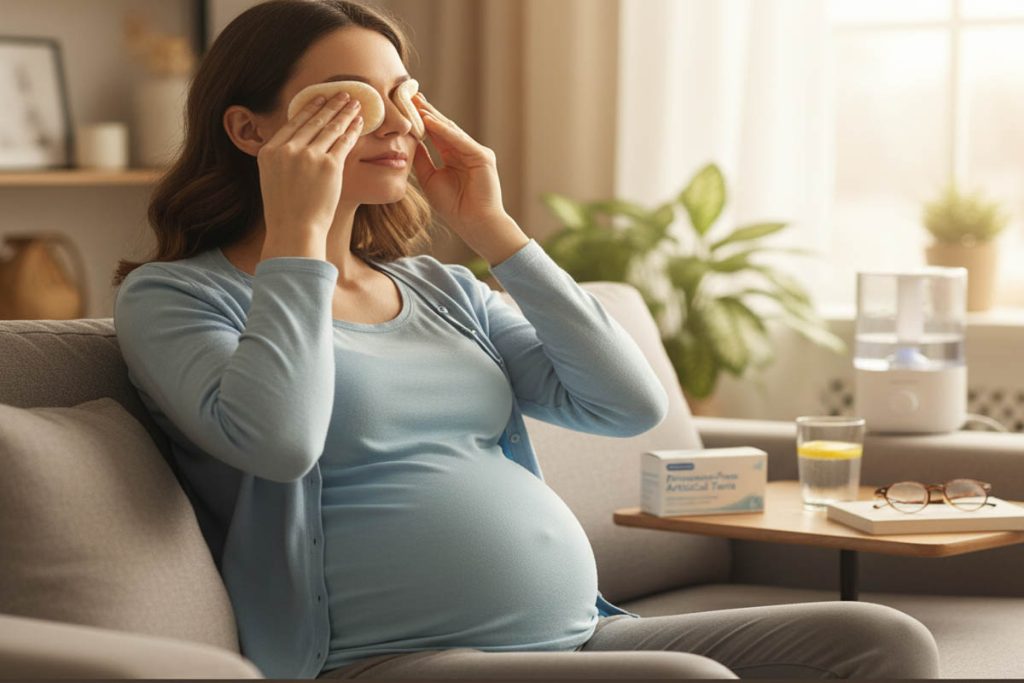
- Apply warm compresses. Gently placing a warm (not hot) damp cloth over closed eyelids for a few minutes can open the oil glands and boost tear flow. Try this daily or whenever eyes feel very dry.
- Clean eyelids. Use a clean, sterile (boiled and cooled) water solution on a cotton pad to wipe your eyelids and lashes. This can remove irritants and bacteria that worsen symptoms.
- Avoid irritants. Limit smoky or dusty environments. Don’t let hair or products (soap, shampoo, lotions) run into your eyes, as these can trigger dryness. Switch to fragrance-free products around your eyes.
These home care tips often provide relief on their own. A gentle eyelid massage (just a few circles with clean fingertips) can also encourage tear spread. And remember diet and hydration are the foundation. Even a short walk outside or drinking a glass of water can help keep eyes moist.
Medical Treatments and When to See a Doctor
If home remedies aren’t enough, medical treatments may help, but always discuss options with your doctor. The first-line help is usually artificial tears (lubricating eye drops). Most over-the-counter artificial tears are safe in pregnancy. Choose preservative-free, lubricating drops (brands like Systane or Refresh) to moisten the eyes. Use drops several times a day or any time eyes feel dry. As Atlantic Eye Institute experts note, OTC drops give “instant relief,” though they are not a permanent cure.
If artificial tears aren’t enough, your eye doctor might suggest other measures. Warm compresses (described above) are often recommended to unblock the tiny oil glands. In persistent cases, an ophthalmologist can perform punctal occlusion, a procedure that inserts small dissolvable plugs into the tear ducts to slow tear drainage. This is especially effective and can be done safely during pregnancy the plugs are tiny and eventually dissolve in 3 to 6 months.
For severe or chronic dry eye, prescription options exist. Steroid eye drops or medications like cyclosporine (Restasis) are generally used only under specialist care; many such treatments lack definitive pregnancy safety data. Always inform your ophthalmologist or OB-GYN if you are pregnant before starting any medicated eye drop. As one expert advises, even over-the-counter drops should be cleared by your obstetrician to ensure all ingredients are safe.
You should see a doctor if dry eye symptoms significantly worsen or if you develop new signs such as eye pain, unusual vision changes, or persistent redness. Though rare, eye symptoms can sometimes signal a serious complication. For example, eye pressure or vision loss in pregnancy could indicate preeclampsia (high blood pressure). Contact your healthcare provider if:
- You experience sharp eye pain, pressure, or severe headache.
- Vision becomes blurry or you see halos/light flashes.
- Home remedies and drops provide little improvement.
In most cases, however, dry eye during pregnancy remains a temporary discomfort. Studies note that symptoms “often resolve after pregnancy”, and indeed many women find relief postpartum. Until then, safe lubrication and self-care can maintain comfort.
Prevention Tips Dry Eye Pregnancy
Aside from remedies, you can adopt lifestyle habits to prevent eye dryness in the first place:
- Rest and sleep. Fatigue can worsen dry eye symptoms. Ensure adequate sleep and even short rest breaks during the day. Pregnancy fatigue makes this doubly important.
- Screen breaks. Limit continuous computer or smartphone use. The NEI warns that “dry eye can happen if you spend a lot of time looking at your computer, tablet, or smartphone”. Follow the 20-20-20 rule and blink often.
- Wear comfortable glasses. If you wear contacts and feel dry eyes, consider switching to glasses until after pregnancy. Glasses often irritate eyes less when lubrication is low.
- Manage your environment. When indoors, keep room humidity moderate, avoid direct drafts from fans/vents, and consider a saline nasal spray if you’re very congested (sinus issues can contribute to eye dryness).
- Routine check-ups. Mention any eye discomfort during prenatal visits. Early counseling can help you prepare (for example, by having preservative-free drops on hand).
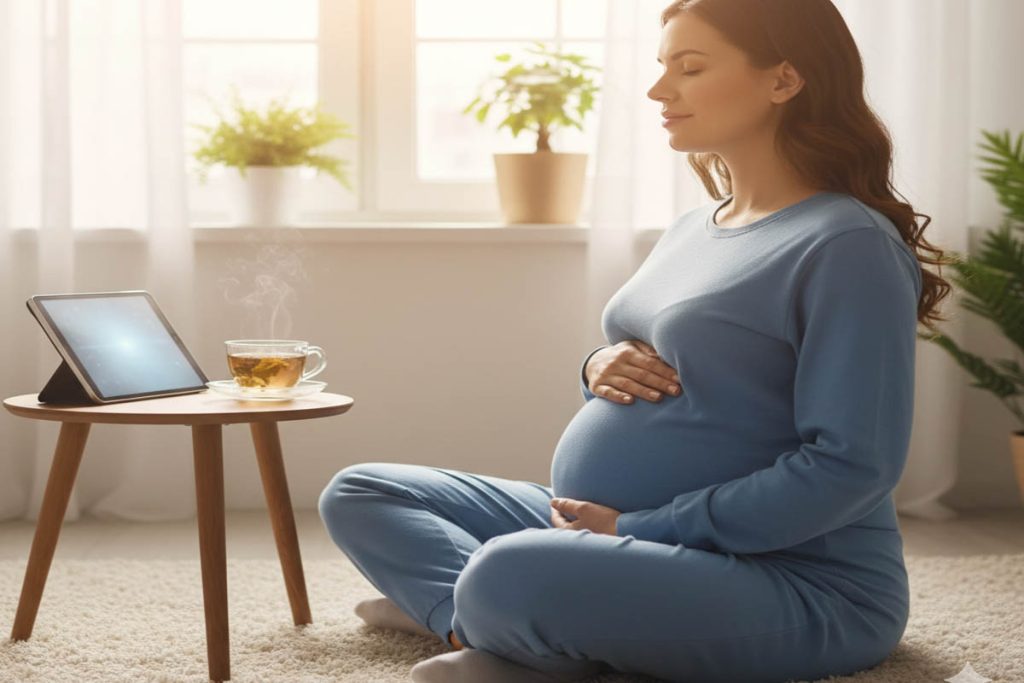
Engaging in stress-relief activities (like gentle yoga or meditation) can indirectly help by improving overall circulation, including around the eyes. In short, treat your eyes like precious adults give them care, protection, and attention as you would any other pregnancy-related health concern.
Expert Insights and Research
Pregnancy’s effect on eyes has been documented by both clinicians and researchers. OD Brittany Wright of the University of Colorado notes that blurred or dry eyes often come from “structural or hormonal changes” and assures patients that “many of these symptoms won’t last forever.” She emphasizes that pregnant women should feel comfortable discussing eye drops with their obstetrician: “Even if a medication or eye drop is something you can buy at the grocery store, it’s best to check that there are no concerns from your OB,” she says. This multidisciplinary approach ensures any dry eye treatment is safe for both mother and baby.
Recent studies reinforce the link between pregnancy and dry eye. As noted above, a 2021 PLOS One study found 40.8% of pregnant women had dry eye syndrome, and the only significant risk factor was gestational age (later months carried higher risk). Importantly, that study concludes: “dry eye disease occurs frequently in pregnant women” and is associated with increasing gestation. Clinically, this means vigilance is warranted throughout pregnancy, not just in the final trimester.
In summary, experts agree: dry eye pregnancy is real but usually manageable. With good self-care, nutrition, and medical guidance when needed, you can keep your eyes comfortable until baby arrives.
Conclusion
Dry eye pregnancy the experience of dry, irritated eyes during pregnancy is a common and usually temporary issue tied to hormonal changes. Expectant mothers should know it’s common (studies report many pregnant women affected) but also manageable. Following prevention tips (stay hydrated, wear sunglasses, blink frequently) and trying home remedies (eye drops, warm compresses, diet adjustments) can greatly ease symptoms. If discomfort persists, consult your eye doctor or OB-GYN for safe treatment options. In nearly all cases, dry eyes improve after delivery as hormones balance out. By understanding dry eye pregnancy and taking proactive steps, you can keep your eyes healthy and focus on enjoying your journey to motherhood.
FAQs About Dry Eye Pregnancy
Q: What causes dry eyes during pregnancy?
A: The main cause is hormonal fluctuation. Pregnancy hormones (estrogen, progesterone) can reduce tear production and change the eye’s lubrication. This leads to an unstable tear film. Other factors like dehydration, indoor heating, windy or dry environments, and vitamin/omega-3 deficiencies also contribute.
Q: Is it normal to have dry eyes in early pregnancy?
A: Yes. Many women notice eye dryness as early as the first trimester, when hormones rise quickly. In fact, dry eye may worsen later in pregnancy. One study showed dry eye symptoms peak in the third trimester and drop after birth. However, onset can occur at any stage each pregnancy is different. If symptoms start in early pregnancy, it’s often due to those initial hormone surges.
Q: How can I safely relieve dry eyes while pregnant?
A: Try gentle, pregnancy-safe remedies. Use preservative-free lubricating eye drops (artificial tears) several times a day; drink plenty of water; use a humidifier; and eat omega-3-rich foods. Apply a warm compress to your closed eyes to stimulate oil production. Wearing sunglasses outdoors and avoiding direct drafts can also help. Always choose non-medicated products and discuss any supplements with your doctor.
Q: Are eye drops safe during pregnancy?
A: Most standard lubricating (moisturizing) eye drops are considered safe while pregnant. These simply add moisture and do not contain harmful medications. Avoid any medicated or prescription drops (like steroid drops or allergy drops) without doctor approval. As a precaution, it’s wise to mention all eye drops to your obstetrician. OD Brittany Wright advises ensuring your OB is comfortable with any eye medication you use.
Q: When should I see a doctor about dry eyes in pregnancy?
A: See your doctor if home measures fail or if you have concerning symptoms. Eye pain, vision changes, extreme light sensitivity, or “pressure” in the eyes are NOT normal and warrant prompt medical attention. These could signal serious conditions like preeclampsia. Otherwise, consult an eye specialist if dryness is severe, unrelenting, or interferes with daily life. They can check for other causes and suggest treatments (like prescription eye drops or procedures) that are appropriate during pregnancy.
Q: Will dry eyes go away after pregnancy?
A: In most cases, yes. Dry eye symptoms often improve within weeks after delivery as hormone levels normalize. Breastfeeding hormones can occasionally prolong dryness, but it typically resolves in time. If dry eye persists beyond pregnancy, you may have an underlying dry eye syndrome that requires evaluation like in non-pregnant individuals.
For more personalized advice, always discuss eye symptoms with your healthcare provider. Pregnancy causes many temporary changes in your body dry eyes included but with care and knowledge, you can minimize the discomfort and keep your vision clear and healthy.