
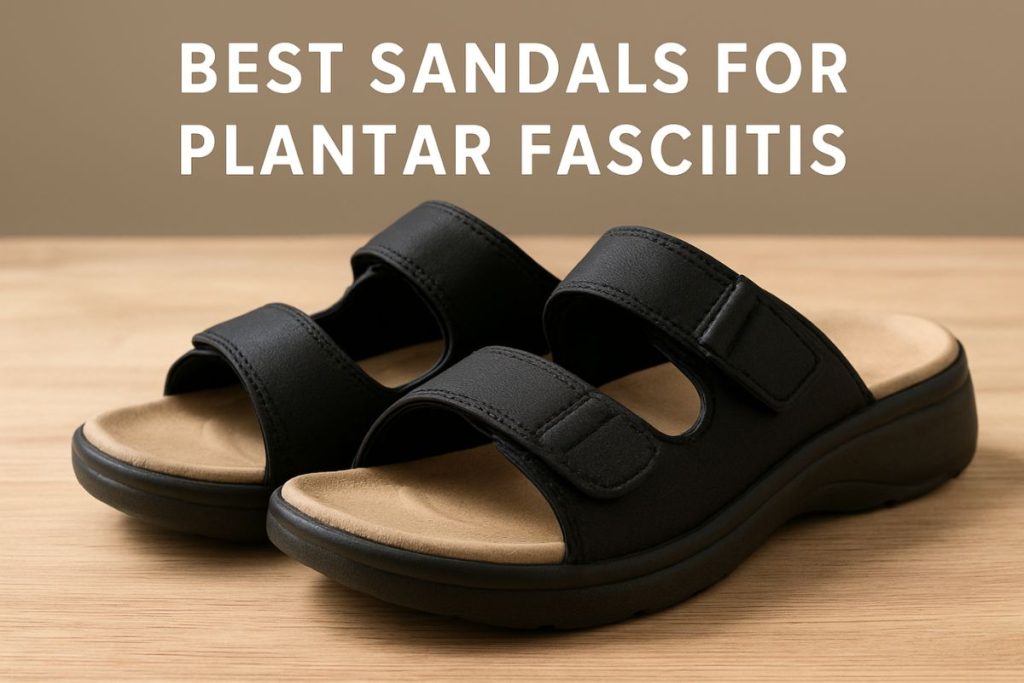
Plantar fasciitis is a common foot condition caused by irritation of the ligament (plantar fascia) that supports the foot’s arch. It leads to sharp heel pain, especially with the first steps in the morning or after long periods of standing. This condition affects roughly 10% of people in their lifetime, with peak incidence in middle aged adults and women. Overuse stress from running, long standing, or excess body weight is a primary factor in plantar fasciitis. Because the plantar fascia is crucial for arch support and shock absorption, choosing the right footwear is essential. Sandals with built in support can reduce strain on the fascia and alleviate heel pain.
In this comprehensive guide, we explain what makes a sandal “good for plantar fasciitis”, highlight key features experts recommend, and review the best podiatrist approved sandals for women and men. (Always consult a healthcare professional for personalized advice on plantar fasciitis management.)
When your feet hit the ground, a supportive sandal can make the difference between comfort and crippling pain. Good sandals for plantar fasciitis typically have contoured arch support, a deep heel cup, and ample cushioning to absorb shock. In fact, podiatrists emphasize that arch support is “a crucial factor” in relieving plantar fascia pain because it supports the foot’s arch and reduces strain.
Likewise, a deep heel cup helps cradle the heel and stabilize the foot, preventing excess motion that aggravates the fascia. Proper footwear also spreads pressure across the foot (reducing focal stress on the heel) and can compensate for tight calf muscles or flat arches, common contributors to plantar fasciitis. In short, choosing supportive sandals is a key part of managing plantar fasciitis pain and protecting foot health.
Why Footwear Matters for Plantar Fasciitis
Plantar fasciitis is essentially an overuse injury of the foot’s arch ligament. When the plantar fascia is repeatedly stretched (as in long runs or standing), tiny tears and degeneration occur at its heel attachment. Risk factors like flat feet (pes planus), high arches (pes cavus), limited ankle dorsiflexion, obesity, or jobs requiring prolonged standing all increase the load on the plantar fascia. For example, flat feet tend to over pronate and collapse inward, which adds stress to the arch. Wearing footwear with poor support such as completely flat flip flops or unsupportive slides — can worsen this stress.
Conversely, a well designed supportive sandal helps correct foot alignment and cushions each step. Proper arch support means the plantar fascia is not bearing the full force of body weight. According to Dr. Anne Sharkey, DPM (North Austin Foot & Ankle Institute), sandals for plantar fasciitis should have cushioning, support, and stability. In other words, they should maintain your natural foot shape and absorb shock. Cushioned midsoles reduce impact on the heel bone, while a firm arch contoured to your foot prevents excessive flattening of the arch. Even a slight heel elevation helps: Sharkey explains that moderate heel height (like a wedge) “decreases range of motion” at the ankle and transmits less force to the plantar fascia, easing symptoms.
In practice, that means flip flops and flimsy sandals are often a bad choice: they lack support and allow the foot to over flex. Instead, look for footwear engineered like an orthotic. The right sandal will feel firm and stable when you twist or bend it: it should only flex at the toes, not fold in half. As Dr. Sharkey advises, avoid “overly flexible or bendy” styles. Quality plantar fasciitis sandals bend naturally at the ball of the foot but resist twisting elsewhere, which helps protect the plantar fascia during walking. By selecting supportive sandals and combining them with stretches or orthotic inserts, many people find significant relief from heel pain.
Key Features of Podiatrist-Approved Sandals
Experts agree that certain design elements are essential in sandals for plantar fasciitis. When evaluating a sandal, consider the following features:
- Contoured Arch Support: A built in arch that matches your foot shape is critical for relieving plantar fasciitis. Proper arch support helps distribute weight evenly and prevents the plantar fascia from overstretching. Dr. Sharkey notes that a sandal should “contour to the arch” of your foot. Some sandals use firm EVA foam or molded polyurethane foot beds to provide this support.
- Deep Heel Cup: A pronounced heel cup cradles the heel bone and keeps the foot aligned. The deep cup acts like an orthotic cradle, stabilizing the calcaneus (heel) under load. This boosts stability and keeps ankles from rolling inward (overpronation), reducing fascia strain. Podiatrists highlight the heel cup as one of the most important features in a therapeutic sandal.
- Firm Cushioning (Shock Absorption): Thick, responsive midsoles cushion each step and absorb ground impact, protecting the plantar fascia. As one reviewer explained, sandals like Teva Zymic use a “thick, responsive midsole and comfortable footbed [that] absorb all the shock of walking”. Good cushioning reduces stress on the heel, especially helpful for people with high arches who lack natural shock absorption.
- Stable Sole: A supportive base labeled as “stability” or “motion control” can prevent excessive pronation or supination. The sole should be stiff enough to support the foot but have a slight bend at the forefoot. Sandals that flex too easily can allow the arch to collapse, so look for those that twist minimally.
- Adjustable Straps: Straps that secure over the heel and midfoot lock the foot in place. Straps at the toes and ankle let you fine tune the fit, preventing slipping. As noted, podiatrists usually recommend strapped sandals for superior support. For example, the Teva Zymic has hook and loop straps at ankle and toes, which “kept our ankles and knees in place and stable on all terrain”.
- Raised Toe Bar and Footbed Edges: Some sandal footbeds include slight ridges under the toes (a toe bar) or raised edges along the sides. These features encourage a natural toe grip and keep the foot centered. Reviewers have highlighted designs with transverse arch support and raised edges that help “control motion” under the foot.
- Appropriate Flexibility: The ideal sandal bends at the ball of the foot but remains rigid through the arch and heel. Overly floppy sandals offer no support; overly stiff ones feel unnatural. A good test is that the sandal can bend slightly at the toes but should resist being folded in half.
By ensuring your sandals have these podiatrist approved features, you can significantly ease plantar fasciitis pain. In the next section, we examine top rated sandals that embody these qualities.
Top Podiatrist-Approved Sandal Picks
We scoured expert reviews and podiatrist recommendations to compile the best sandals for plantar fasciitis. Each of the following models has the support, cushioning, and stability needed to protect your heels. We include a mix of everyday sandals, slides, and athletic sandals to suit different needs and styles.
- ECCO Women’s Flowt 2 Band Sandal (Best Overall): Testers called this sandal “comfortable and secure” with an excellent fit right out of the box. It features a sturdy, slightly wedge shaped sole with a pronounced heel cup and shock absorbing midsole. Dr. Pinker noted its great design and ankle strap support, while podiatrists liked its deep heel cup and cushioning. Importantly, its platform like sole (about 1″ heel) helps reduce force on the plantar fascia. Reviewers found the Flow 2 Band shock absorbing and springy it passes the “twist and bend” test with only a bit of flex at the toes. In short, these sandals give firm arch support, cradle the heel, and cushion each step, making them ideal for all day wear.
- Birkenstock Mogami Terra (Best for Flat Feet): Designed specifically for people with flat arches, the Mogami Terra has a molded polyurethane foot bed that “felt like it offered just the right amount of support” for flat feet. Its deep heel cup kept ankles and knees “steady and pain free,” even during long walks. The foot bed edges are raised slightly and include a transverse arch support, which helps keep the arch from collapsing underfoot. Reviewers praised its excellent shock absorption on all terrains and overall durability. If you have fallen arches, this Birkenstock model provides a supportive, cushioned platform that molds to your foot for personalized comfort.
- Teva Zymic Women’s Sandal (Best Sandal with Straps): This sporty Teva model impressed testers with its adjustable straps and stability. It has straps over the toes and around the ankle that lock the foot in place and reduce excess motion. Its thick EVA midsole and footbed cushion shocks for “all day” comfort. Reviewers noted how lightweight they felt—“like walking on air”—yet supportive. Crucially, these sandals also provide great arch support and can even accommodate wider feet without issue. According to podiatrists, a slightly elevated heel (about 1.6 inches for this model) can lessen plantar fascia strain, and the Teva’s wedge sole does just that. If you need a more athletic sandal for hiking or city walking, the Zymic’s stability and shock absorption make it a top choice.
- Hoka Hopara All Terrain Sandals (Best for Hiking/Walking): Hoka is known for running shoes, and the Hopara sandals bring similar tech to a sandal. These all terrain sandals have a thick, cushioned sole and a lot of support. One foot doctor noted they provide excellent heel and ankle stability to prevent plantar fascia aggravation. The Hopara’s midsole is highly cushioned, which reviewers—especially those with flat feet—loved. Testers described them as “luxe” and “long lasting,” with no break in needed even on multi mile hikes. The unique quick lace system also makes them easy to put on and adjust. In summary, if you cover a lot of uneven ground or need a sandal for serious walking, the Hoka Hopara offers luxe cushioning, shock absorption, and full foot coverage to protect the plantar fascia.
- OOFOS OOlala Slide (Best Cushioned Slide for Recovery): For ultimate cushioning, these recovery slides are a favorite. The OOFOS footbed is famously soft and shock absorbent. Podiatrists and testers rave that the OOlala feels “mega cushioned”, almost like “walking on marshmallows”. This extra plush foam footbed absorbs impact and allows the foot to relax (OOFOS calls it Recovery Technology). The flexible strap holds the foot lightly, and the rocker sole encourages a healthy gait. If you need relief after a long day on your feet, these slides can soothe aching arches and heels. One reviewer emphasized their premium cushioning compared to harder soled sandals. The only caveat is they are flat no arch insert but for recovery or short walks they’re excellent at taking pressure off the foot.
- Teva Terra Fi 5 Universal (Best Walking Sandal): Another Teva pick, the Terra Fi 5, is tailored for contouring to your foot shape. It has a padded hook and loop strap system for a snug fit and an ergonomic midsole. According to testers, its design “matches the contour of your foot” and the cushioned midsole lets you “walk with ease and confidence” even on rocky terrain. Dr. Sharkey noted its slightly chunky heel aligns with the foot and makes walking “akin to walking barefoot” while offering stability. This stability plus the easy on/off straps make the Terra Fi a go to for comfortable all day walking. It provides excellent grip, cushioning, and support everything you want for long walks without heel pain.
- Skechers Arch Fit Sandals (Budget Friendly Orthotic): Skechers offers an entire line of Arch Fit sandals that come with a podiatrist certified contoured footbed. These casual sandals and flip flops have firm built in arch support approved by foot doctors. While not as luxurious as pricier brands, many users report they significantly ease plantar fasciitis discomfort. The Arch Fit technology includes a reinforced arch cradle and shock absorbing midsole. For those on a budget, Skechers Arch Fit sandals (in thong or slide styles) can be a practical option to try. According to Skechers, the Arch Fit footbed was designed based on podiatric data to “provide arch support”.
- Cute/Everyday Women’s Sandals: You don’t have to sacrifice style for function. Many brands now offer trendy sandals with plantar fasciitis features. Look for womens’ styles (wedges, gladiators, or even heeled sandals) that emphasize support. Brands like Vionic, OluKai, and Birkenstock have fashionable designs with built in orthotic footbeds. For example, Vionic offers strappy sandals and wedges with their signature arch support technology. Even if a sandal looks “cute,” check that it has a contoured footbed and heel support. Our Image 2 below shows an example:
Slides and fashionable flip-flops can be okay for light use; for example, the Teva ApreTrail slide was surprisingly supportive and “cushy” on short walks. However, for all-day wear, we recommend strapped sandals or those with heel straps for added security.
When choosing women’s sandals, keep a few extra points in mind:
- Adjustability: Women’s sandal styles often include multiple straps. Make sure you can tighten or loosen straps around the toes and ankle for a perfect fit. A loose sandal can cause your foot to slide, increasing stress on the fascia.
- Wedge or Platform: A small wedge (1-2 inches) can be beneficial as mentioned earlier. This reduces tension on the Achilles and plantar fascia. Some women’s sandals have modest platform soles that add support without looking like a clinical shoe.
- Cushioning vs. Style: “Cute” sandals often lack serious padding. Seek out brands that emphasize comfort. For example, the Walking Company’s catalog (and similar retailers) often label their sandals as good for plantar fasciitis. Read descriptions for terms like “orthotic sandal,” “cushioned footbed,” or “arch support.”
- Try Them On: If shopping in person, walk around in the sandals for a few minutes. Press your thumbs into the arch; you want firm resistance. Wiggle your toes; your heel shouldn’t lift out. If it feels unstable or flops easily, move on.
By balancing support with your personal style, you can find attractive women’s sandals that won’t aggravate your feet.
Caring for Plantar Fasciitis – Beyond Sandals
While sandals are important, remember they are just one part of management. To maximize relief:
- Alternate Footwear: Don’t wear flip flops or bare feet all day. Rotate in supportive athletic shoes or braces, especially if standing long. Some research suggests wearing a supportive shoe on at least one foot can significantly reduce pain.
- Stretch and Strengthen: Perform calf and plantar fascia stretches daily. Tight calf muscles and Achilles tendons often accompany plantar fasciitis. Stretching can improve range of motion and reduce tension on the arch. Night splints or orthotic inserts (used inside closed shoes) can also help maintain a gentle stretch overnight.
- Weight Management: Excess body weight is a known risk factor. Losing even a few pounds can reduce the load on your heels.
- Ice and Rest: After long walks or workouts, icing the heel for 10-15 minutes can reduce inflammation (remember, PF is degenerative but often has some inflammation). Rest and anti-inflammatory medications (as advised by your doctor) may help as needed.
- Professional Advice: If pain persists despite conservative measures, consult a podiatrist or orthopedist. They may suggest custom orthotics, physical therapy, or other interventions.
Sandals with arch support are an easy way to complement these treatments. By wearing plantar fasciitis sandals consistently, you help protect the foot’s arch throughout the day. Remember, footwear is preventive: combining good shoes with stretches and care will yield the best outcomes.
Frequently Asked Questions
- Q: What features make a sandal good for plantar fasciitis?
A: Look for contoured arch support, a deep heel cup, thick cushioning, and a stable sole. Adjustable straps are also key to keep the foot locked in place. Avoid completely flat or flimsy flip flops that offer no support. - Q: Are slides (no strap sandals) okay for plantar fasciitis?
A: Slides (like OOFOS or Teva ApreTrail) can be fine for short term wear or recovery. For example, Teva ApreTrail slides were described as “ultra cushy and supportive” for short walks. However, podiatrists generally prefer sandals with heel straps for full day support. If you use slides, ensure they have good arch support and avoid long walks in unsupportive flip flops. - Q: Can stylish sandals really help plantar fasciitis?
A: Yes, many brands offer fashionable sandals built on orthopedic footbeds. For instance, Vionic and OluKai have trendy strappy sandals with built in arch support. The key is the construction, not the look. If a “cute” sandal advertises orthotic support or comes from a comfort footwear brand, it can be both stylish and therapeutic. - Q: How do I know if a sandal fits well for my foot?
A: When trying on a sandal, the foot should feel snug: your heel should fit into the heel cup without slipping out, and your toes should have some space without hanging over the edge. Walk around and see if the arch feels supported. A poorly fitting sandal can cause blisters or allow over pronation. If a sandal allows your foot to slide laterally or doesn’t cradle your heel, it may not be the right choice. - Q: Can these sandals cure plantar fasciitis?
A: While no shoe can “cure” plantar fasciitis on its own, the right supportive sandals can significantly relieve symptoms and speed recovery. They help reduce stress on the inflamed fascia so that healing can occur. Sandals are part of an overall treatment plan including rest, stretches, and possibly orthotics which together can resolve plantar fasciitis over time. - Q: When should I see a doctor about plantar fasciitis?
A: If heel pain is severe, does not improve with home care (like supportive shoes, ice, and stretches), or if you experience redness/swelling, consult a healthcare professional. A doctor or podiatrist can check for other causes and advise treatments such as physical therapy or medical interventions.
Conclusion
Choosing the best sandals for plantar fasciitis means balancing comfort, support, and style. By prioritizing key features like arch support, cushioning, and stability, you can walk through your day with less heel pain and more comfort. Our top picks from the arch supportive ECCO Flowt 2 to the plush OOFOS slide have been vetted by experts and podiatrists for their therapeutic benefits. Remember to include stretches and weight management in your routine, and consult a podiatrist if pain persists.
With the right pair of sandals (and proper foot care), plantar fasciitis doesn’t have to keep you from enjoying every step. 🌟 Have a favorite plantar fasciitis sandal? Share it below! And if you found this guide helpful, please share on social media to help others find relief.
Our Previous Post: Health Connector Payment, Henry Ford Health Jobs, Healthy Dog Food, Centerwell home health, Tattoo Aftercare Tips, Breast Implant, Butler Health System, Buckwheat Honey, Magnesium Lotion