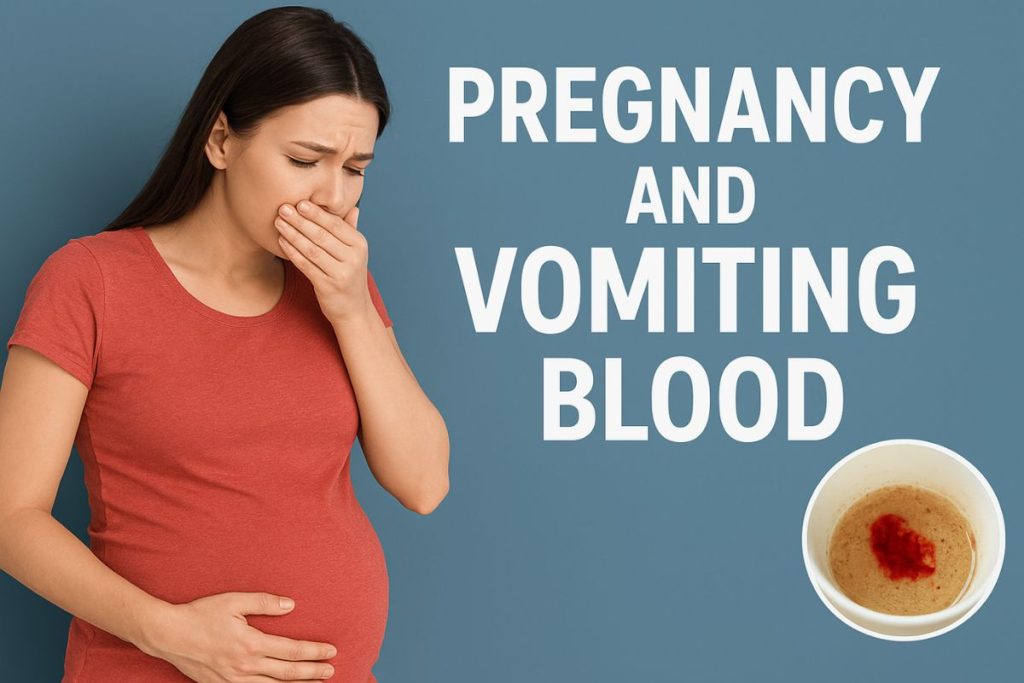
Vomiting is common in pregnancy up to 80-90% of women experience some degree of morning sickness. However, pregnancy and vomiting blood together are rare and always require careful evaluation. Seeing red or brown in your vomit is alarming because true hematemesis (vomiting blood) usually signals a more serious issue. In pregnancy, even small amounts of blood in vomit should prompt a call or visit to your doctor. This article explains why blood might appear in vomit during pregnancy, lists possible causes (from harmless to serious), and advises when to seek help. We’ll compare ordinary pregnancy sickness (morning sickness) to its severe form (hyperemesis), explain related issues like heartburn and esophageal damage, and cover warning signs like blood in stool. Throughout, we use clear, reader-friendly language, bullet points and FAQs to make the content easy to scan and understand.
Causes of Blood in Vomit During Pregnancy
Vomiting blood during pregnancy can stem from several sources. Some causes are minor (swallowed blood from gums or nose), while others are more serious (ulcers, tears, or severe reflux). Common causes include:
- Swallowed blood from gums or nose: Pregnancy hormones increase blood flow to mucous membranes. If you have inflamed, bleeding gums (pregnancy gingivitis) or frequent nosebleeds, small amounts of blood can mix with your vomit. For example, aggressive brushing or retching can aggravate sensitive gums. While unpleasant, this is generally less serious. Good dental care and gentle nose-blowing can help prevent it.
- Esophageal irritation (GERD/acid reflux): Heartburn and gastroesophageal reflux disease (GERD) are very common in pregnancy, especially in later trimesters. If stomach acid repeatedly irritates the esophagus, it can cause esophagitis (inflammation) or even minor bleeding. Johns Hopkins notes: “Tell your provider if you spit up blood or have dark stools it’s a sign of blood in your digestive tract”. Chronic reflux may rarely lead to erosive esophagitis or ulcers that bleed.
- Stomach ulcers and gastritis: Non-pregnancy factors like Helicobacter pylori infection, heavy NSAID use or severe stress can cause gastric ulcers. An ulcer in the stomach or upper intestine may bleed, producing dark or “coffee-ground” vomit. Although peptic ulcers are less common in pregnancy, they are a possible cause.
- Mallory-Weiss tear: Forceful or repeated vomiting can tear the esophageal lining at the junction with the stomach. This is known as a Mallory-Weiss tear. A tear often causes sudden bright-red bleeding into the vomit. Cleveland Clinic explains that 85% of Mallory-Weiss cases include vomiting blood. Pregnancy-induced hyperemesis is a known trigger for these tears.
- Severe hyperemesis gravidarum: In extreme pregnancy sickness (hyperemesis), persistent vomiting can cause dehydration and esophageal injury. The HER Foundation warns that untreated hyperemesis may lead to GI mucosal damage, with classic signs including bright red blood in vomit (hematemesis) and black, tarry stools. Up to 1-3% of pregnancies develop hyperemesis, which can progress to vomiting bile or even blood.
- Other causes: Rarely, other medical problems may cause GI bleeding in pregnancy. These include esophageal varices (enlarged veins), severe hiatal hernia, or blood clotting disorders. If you have a condition like cirrhosis, you could develop varices that bleed with retching. Very rarely, Boerhaave’s syndrome (full esophageal rupture) can occur after violent vomiting this is life-threatening.
Each cause has distinct clues. For example, bleeding gums typically cause small flecks of red, whereas a Mallory-Weiss tear causes larger bright-red gushes. A stomach ulcer often gives “coffee-ground” vomit (dark brown particles). Knowing these patterns helps doctors diagnose the problem.
Heartburn and Vomiting Blood During Pregnancy
Heartburn (“acid reflux”) affects up to 80% of pregnant women. Normally it causes burning pain, not bleeding. But if reflux is severe or chronic, it can damage the esophageal lining (esophagitis). In rare cases, ulcers or tears form. If you ever “spit up blood” along with heartburn, Johns Hopkins advises this is a warning sign of a bleeding GI tract. In practice, pregnancy-related heartburn is treated with diet changes and safe antacids. If antacids or H2-blockers/PPIs don’t help and you notice any blood (in vomit or stool), contact your doctor.
Vomiting Bile and Blood During Pregnancy
Vomiting bile (a greenish fluid) often happens when your stomach is empty. This is common in morning sickness. Vomiting bile and blood together usually indicates more severe vomiting. For example, if morning sickness worsens into hyperemesis, retching may bring up bile and irritate the esophagus. The HER Foundation notes: in untreated hyperemesis, “You vomit … often and may vomit bile or blood if not treated. Nausea is moderate to severe”. If you notice bile and any blood, it suggests dehydration or mucosal damage you should see a healthcare provider immediately to control vomiting and prevent complications.
Bleeding Gums and Nosebleeds
Pregnancy hormones increase blood flow to tissues and can make gums very tender. Many pregnant women develop pregnancy gingivitis. If you vomit after brushing or gagging, you might see streaks of red from the gums. Similarly, nasal membranes swell and become fragile, leading to easy nosebleeds. If you have a nosebleed while lying down or after bending, blood can trickle down your throat and appear in vomit. In these cases, the blood is real but the source is upper airway, not your stomach. Still, any blood in vomit warrants evaluation. You can minimize these by gentle dental care (brushing/flossing) and avoiding forceful nose blowing.
Mallory-Weiss Tear from Severe Vomiting
A Mallory-Weiss tear is a small laceration at the gastroesophageal junction caused by forceful vomiting. It is a common culprit when pregnancy and vomiting blood coincide. In fact, Cleveland Clinic reports that vomiting blood is the most common symptom of a Mallory-Weiss tear (about 85% of cases). The tear can occur after just one very hard bout of retching or after chronic vomiting. The blood is usually bright red and may be accompanied by pain in the upper abdomen or chest. Mallory-Weiss tears often stop bleeding on their own within 72 hours, but severe cases need medical attention. Doctors may treat them with endoscopy and cauterization if bleeding continues.
Morning Sickness vs. Hyperemesis Gravidarum
Morning sickness (nausea/vomiting in early pregnancy) is extremely common. As one source notes, “Morning sickness is extremely common during pregnancy up to 80% of people report experiencing it.” It usually starts by 6-8 weeks, peaks around week 10, and improves by 12-14 weeks. Morning sickness is generally mild: you may feel nauseated and vomit occasionally, but you can keep most food and fluids down, and there is no significant weight loss.
In contrast, hyperemesis gravidarum (HG) is the severe form of pregnancy sickness. Only about 1-3% of pregnant women develop HG. In HG, nausea and vomiting are extreme and persistent. You may vomit multiple times a day, lose over 5% of your body weight, and become dehydrated. According to Cleveland Clinic, HG “can lead to weight loss and dehydration.” Importantly, HG can cause complications like electrolyte imbalance, malnutrition, and even bleeding in the esophagus from constant vomiting. As the HER Foundation explains, severe untreated HG can result in classic signs like bright red blood in vomit (hematemesis).
- Morning Sickness: Affects up to 80% of pregnancies. Mild, usually resolves by second trimester. Nausea/vomiting without serious complications.
- Hyperemesis Gravidarum: Affects 1-3% of pregnancies. Causes severe, continuous vomiting (often >3x/day) for weeks/months. Leads to dehydration, weight loss, and possibly blood in vomit.
If your “morning sickness” symptoms are beyond the usual (vomiting prevents you from keeping anything down, you have ketones in urine, or you see blood), it may be hyperemesis. In that case, treatment could include IV fluids, prescribed antiemetics, and sometimes hospitalization.
Symptoms and Warning Signs
Understanding symptoms can help you decide when to seek help. Vomiting blood is itself a warning sign. Doctors look at the color and amount of blood, and any other symptoms:
- Color of vomit: Bright red blood indicates fresh bleeding, likely from the upper GI tract. Dark brown or “coffee-ground” vomit suggests older blood that has been in the stomach acid. Either way, it’s abnormal.
- Amount: A few specks or streaks of blood from gums are less concerning than large amounts of blood (e.g., multiple tablespoons of red). However, any amount of bright red blood should be checked.
- Other symptoms: Dizziness, fainting, rapid pulse, or severe stomach/abdominal pain alongside hematemesis can signal shock or severe bleeding. Brown or black (tarry) stools along with vomiting blood indicate significant GI bleed.
- When to worry: The NHS advises immediate medical help if you feel unwell after vomiting blood e.g., you’re confused, faint, or have a rapid heartbeat. Brown or black vomit (“coffee grounds”) or black stools also warrant emergency care.
If you experience blood in stool and vomit during pregnancy, treat it as an emergency. According to Brown University Health, anyone vomiting blood or passing black/bloody stool should seek immediate care. These signs point to active bleeding in the digestive tract.
When to Call the Doctor or Go to the ER
- Always inform your doctor if you see any blood in your vomit, even a small amount.
- Go to the emergency department if you have any of these alongside hematemesis:
- Severe weakness, dizziness, or fainting.
- Rapid, shallow breathing or confusion.
- Abdominal or chest pain.
- Black, tarry stools.
- Heavy bleeding (e.g. vomiting large amounts of bright red blood).
Symptoms of Concern in Late Pregnancy
Even if you’re in the third trimester, any vomiting blood is worrisome. Note that regular vomiting (from nausea) usually subsides by late second trimester. If heavy vomiting persists into the third trimester, it suggests another cause (like gastroenteritis or ulcers) that should be checked. Also, some late-pregnancy conditions (like preeclampsia) can cause nausea/vomiting and abdominal pain but these typically involve high blood pressure and protein in urine rather than GI bleeding. In summary, if you’re well past the first trimester and you start vomiting blood, don’t assume it’s just “normal” pregnancy sickness; get medical evaluation.
Diagnosis and Medical Evaluation
If you have vomited blood during pregnancy, your healthcare provider will perform a careful assessment:
- History and exam: Doctor will ask about the vomiting (duration, triggers, frequency) and examine you (vitals, abdominal exam, checking for signs of shock).
- Laboratory tests: Blood tests can check hemoglobin (for anemia), blood count, and signs of dehydration or liver issues. Urine tests can assess for dehydration.
- Imaging/endoscopy: Often, an upper GI endoscopy is done to look directly at the esophagus and stomach lining for tears or ulcers. Endoscopy is generally safe in pregnancy if needed, and quickly finds the source of bleeding. Other imaging (ultrasound, MRI) may be used if endoscopy isn’t immediately available.
Because vomiting blood in pregnancy is unusual, doctors also consider other conditions like gastroenteritis, pancreatitis, or even liver disease. They may order additional tests based on your full symptom picture. But the main goal is to stabilize you (fluids, stop vomiting) and identify the bleed source.
Treatment and Management
Treatment depends on the cause, but some general principles apply:
- Stop the vomiting: For pregnancy sickness (even without blood), standard treatments include small frequent bland meals, ginger or B6 supplements, and prescribed anti-nausea medications (like doxylamine, ondansetron, metoclopramide) if needed. For bleeding, it’s critical to stop the vomiting and retching, as further vomiting can worsen tears or ulcers. Doctors may give IV fluids, antiemetics, and antacids/PPIs to reduce stomach acid.
- Care for mild sources: If the cause was bleeding gums or a nosebleed, focus on addressing those. Gentle oral hygiene (soft brush, floss) and avoiding nasal irritants often stops the problem. Saline nasal sprays or a humidifier can reduce nosebleeds.
- Antacids and heartburn relief: Over-the-counter antacids (like calcium carbonate) or H2-blockers (Pepcid, Tagamet) are generally considered safe in pregnancy. They can coat the stomach and reduce acid. If you have GERD symptoms, elevating the head of your bed and avoiding trigger foods (spicy, fatty, chocolate, citrus) are helpful.
- Treatment of tears/ulcers: A Mallory-Weiss tear usually heals on its own in 1-3 days. Your doctor may give proton pump inhibitors (PPIs) like omeprazole or H2 blockers to reduce acid and allow healing. If a tear is still actively bleeding, endoscopic treatments (like epinephrine injection or clipping) can stop the bleed.
- Hyperemesis care: Severe HG often requires hospitalization. Treatment may include IV fluids/nutrients (to correct dehydration and electrolyte loss), antiemetic drips, and medications like ondansetron which is widely used in pregnancy with minimal risk. The goal is to keep mother and baby nourished and prevent complications like esophageal tears.
- Monitoring baby: In any case of maternal GI bleeding, doctors will monitor the baby (e.g., via fetal heart rate) to ensure there’s no distress. Vomiting blood by itself is not considered a direct danger to the fetus, but maternal anemia or shock is.
Tips to Prevent Recurrences
- Eat mindfully: Small meals every 2-3 hours can prevent an empty stomach (which often makes nausea worse). Don’t lie down right after eating.
- Stay hydrated: Sip water, ginger tea, or electrolyte drinks. Dehydration worsens nausea.
- Manage reflux: Sleep propped up, avoid late-night snacks, and skip trigger foods.
- Oral care: Continue prenatal vitamins but rinse mouth after vomiting to protect teeth and gums. Use a soft toothbrush.
- Regular follow-up: If you have ongoing problems, keep your OB/GYN in the loop. In rare cases, prescription meds or even feeding tubes (for HG) are used.
Engaging with Your Healthcare Team and Community
Pregnant women experiencing vomiting (especially with blood) should communicate openly with their care team. No symptom is too small. For example, mention any unusual vomit color at your check-ups. If you feel anxious or unsure, ask your provider questions knowledge helps ease fear. For peer support, consider joining online forums or local prenatal groups where women share experiences with severe nausea (just be cautious about misinformation).
Quick Tips:
- If you or a loved one is vomiting blood in pregnancy, don’t panic but act promptly.
- Keep a log of episodes: how much, color of vomit, any meals beforehand. This can help doctors.
- Always have easy bland foods on hand (crackers, toast) and a vomit basin close.
- Ask your partner/family for help: they can assist if you need to go to ER.
Sharing and commenting on useful health articles helps others too. If you found these tips helpful, consider sharing with other moms-to-be. And always feel free to ask your question or share your experience in the comments below community support can be very reassuring.
When to Seek Immediate Care
Remember the key: vomiting blood during pregnancy is not normal. Don’t hesitate to seek care. Emergency signs include any shock symptoms (fast pulse, cold sweat) or heavy bleeding. Even if symptoms seem mild, err on the side of caution. It’s better to be evaluated and reassured by a professional than to wait and worry. Early intervention can prevent complications for example, treating a tear before it bleeds more. Trust your instincts: if you feel that something is wrong, reach out to your doctor.
FAQs
Is vomiting blood normal during pregnancy?
Answer: No. While pregnancy sickness (morning sickness) can cause frequent vomiting, having blood in your vomit is unusual. It could come from minor sources (like bleeding gums or a nosebleed) or indicate a more serious issue (like an ulcer or tear). Always inform your doctor if you vomit blood. They will determine if it’s an urgent emergency or a benign cause.
What should I do if I see blood in my vomit while pregnant?
Answer: Seek medical advice right away. Calling your OB/GYN is best; if the bleeding is heavy or you feel very unwell (dizzy, fainting, rapid heart rate), go to the emergency department immediately. Don’t assume it’s just “part of pregnancy” in most cases it’s not normal and warrants evaluation. In the meantime, sip clear fluids and rest.
Can heartburn during pregnancy cause vomiting blood?
Answer: Severe, untreated heartburn (GERD) can sometimes lead to esophageal irritation or ulcers that bleed. Pregnancy hormones relax the esophageal sphincter, making reflux common. If reflux is extreme, stomach acid can damage the esophagus. Hopkins Medicine warns that spitting up any blood during heartburn is a red flag. So yes, intense heartburn and vomiting could potentially cause blood in vomit via esophagitis or even a tear. However, mild heartburn alone typically does not cause bleeding. Managing reflux with diet changes and safe medications usually prevents this complication.
Why am I vomiting bile and seeing blood in my vomit when pregnant?
Answer: Vomiting bile (green fluid) usually happens when the stomach is empty, but seeing blood as well suggests the vomiting is very forceful or prolonged. This often points to severe hyperemesis gravidarum. The HER Foundation notes that in HG, you “vomit bile or blood if not treated.”. In other words, extreme, untreated nausea in pregnancy can lead to vomiting of bile and cause tears or bleeding in the throat. If this happens, you need medical help to control the vomiting and protect your hydration.
Is vomiting blood in the third trimester more dangerous?
Answer: Bleeding in vomit is serious at any stage of pregnancy. However, if you’re in the third trimester, other causes may also need consideration. By late pregnancy, ordinary morning sickness should have ended, so persistent vomiting suggests another problem (like ulcers or a viral illness). That said, certain conditions like preeclampsia or cholestasis have nausea but usually involve other symptoms (high BP, itching). In any case, if you vomit blood in the third trimester, treat it as an emergency just as you would earlier. It could signal GI bleeding or other problems that need prompt care.
Can vomiting blood during pregnancy harm my baby?
Answer: Vomiting blood itself is not directly harmful to the fetus, but the cause of bleeding can be. For example, if you become dehydrated or very anemic from bleeding, it could stress you and indirectly affect the baby. Also, vomiting so much that you lose weight or nutrients (like in hyperemesis) can impact fetal growth. In most cases of blood-tinged vomit from minor causes (gums, nose), there’s no effect on the baby. Regardless, always keep your doctor informed; they will monitor the baby’s well-being if any bleeding is present.
Conclusion
Pregnancy and vomiting blood is not a combination to ignore. Vomiting blood (hematemesis) is rare in pregnancy and usually signals that you should get medical attention. In many cases the cause is treatable from swollen gums to gastritis but some causes (esophageal tears, ulcers) can be serious. We’ve covered common reasons (bleeding gums, nosebleeds, reflux, Mallory-Weiss tears, hyperemesis) and what symptoms to watch for. Key takeaways: any blood in vomit during pregnancy warrants evaluation. When in doubt, call your healthcare provider. Early diagnosis and treatment can keep you (and your baby) safe and comfortable. If this article was helpful, share it with other moms-to-be, and please leave a comment below with your questions or experiences. Your questions help create a supportive community for pregnant women facing this scary symptom. Remember, expert help is available, and you’re not alone. Take care of yourself and the new life you’re carrying seek help when needed, and work with your care team to keep both of you healthy.
Sources: This advice is based on medical expertise and resources such as the Mayo Clinic, Healthline, and specialist guidance from Cleveland Clinic, Johns Hopkins Medicine, Brown University Health, and the Hyperemesis Education & Research Foundation. These sources review vomiting blood (hematemesis), its causes, and treatment in pregnancy. Always follow your doctor’s specific recommendations.
Previous Post: Dragon Blood Sage, Microdose Molly, Fat Free Almond Milk